
In the fast-evolving field of microbiology, laboratories often face significant biosafety challenges that must be addressed to ensure reliable results and safe operations. One critical workflow requirement is the effective sterilization of laboratory tools to prevent contamination. The introduction of advanced sterilization equipment, such as the Micro Incinerator or Infrared Inoculating Loop Sterilizer, offers a promising solution for laboratories in Mexico, enhancing both research quality and laboratory safety.
Understanding the Technical Principle
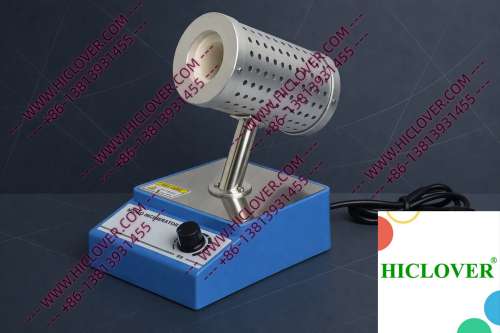
The Micro Incinerator operates on the principle of rapid thermal sterilization using infrared heat. Unlike traditional flame sterilizers, such as alcohol lamps and Bunsen burners, which can expose operators to fire hazards and generate aerosols, the Micro Incinerator uses a sealed ceramic heating chamber that delivers high-temperature disinfection without flame. This unique configuration allows for both safety and efficiency, crucial in today’s sterile research environments.
- Infrared heating technology: Provides consistent and precise temperatures for effective sterilization.
- Enclosed ceramic tube: Reduces the risk of contamination and allows for clean-bench-safe operations.
- Aerosol-free handling: Prevents the spread of pathogens, an essential feature in BSL-2 and BSL-3 labs.
Application Scenarios in Real Labs
Micro Incinerators are transforming laboratory practices in numerous settings throughout Mexico. Below are two scenarios demonstrating their versatility:
1. Teaching Labs at Universities
In university teaching labs, students must learn the intricacies of microbiological techniques in a safe environment. The Micro Incinerator is an ideal tool for teaching sterilization protocols without the risks associated with open flames. It enhances learning experiences by allowing students to focus on techniques rather than worrying about fire safety. Moreover, its portable design makes it easy to operate within confined spaces, such as classrooms equipped with biosafety cabinets.
2. Field Testing Laboratories
In field testing scenarios, researchers need reliable sterilization methods that are lightweight and easy to transport. The Micro Incinerator fits seamlessly into mobile lab setups, allowing rapid sterilization of inoculating loops and other instruments directly at the sample collection site. This application is crucial for studies dealing with infectious disease outbreaks, where contamination control is paramount.
Compliance and Environmental Considerations
When evaluating laboratory sterilization solutions, compliance with international biosafety standards is non-negotiable. The World Health Organization and various national standards mandate specific protocols for laboratory safety. The Micro Incinerator meets these regulations by providing a clean and flame-free sterilization alternative, suitable for environments such as clean rooms and clinical diagnostics. Furthermore, utilizing this innovative equipment minimizes environmental impact by reducing the need for alcohol and other flammable substances, aligning with sustainable laboratory practices.
Comparison of Sterilization Methods
| Feature | Micro Incinerator | Flame Burners |
|---|---|---|
| Safety | No flame risk | Fire hazard present |
| Contamination Control | Enclosed ceramic tube | Open flames can aerosolize contaminants |
| Temperature Consistency | Precise infrared control | Variable, dependent on operator |
| Ease of Use | Portable and user-friendly | Requires more attention and technique |
Frequently Asked Questions
What is a Micro Incinerator?
A Micro Incinerator is a laboratory sterilization unit that uses infrared heat for the rapid sterilization of inoculating loops and other instruments, providing a clean and safe alternative to traditional flame methods.
How does it improve laboratory safety?
By eliminating open flames, Micro Incinerators reduce the risk of fire hazards and the potential for aerosolized pathogens, thereby enhancing safety within the laboratory environment.
Where can Micro Incinerators be used effectively?
These devices are well-suited for various applications, including university teaching labs, clinical diagnostics, and mobile field testing laboratories.
What are the benefits of infrared heating technology?
Infrared heating technology provides consistent high-temperature disinfection, reduces sterilization times significantly, and prevents contamination associated with traditional flame sterilizers.
Are Micro Incinerators compliant with international standards?
Yes, Micro Incinerators adhere to WHO biosafety standards and are designed to meet laboratory sterilization requirements across various regions, including Mexico.
Conclusion
As laboratories in Mexico continue to advance their research capabilities, the integration of Micro Incinerators presents a strategic improvement in sterilization workflows and biosafety compliance. By investing in this state-of-the-art sterilization equipment, laboratories can not only enhance the safety of their operations but also ensure the integrity of their research practices. For more information on upgrading your laboratory with Micro Incinerators, feel free to contact us today!
Categories:
Tags: