
In the realm of laboratory biosafety, one of the persistent challenges faced by research facilities and hospitals in Freetown, Sierra Leone, is ensuring effective sterilization protocols. With the rising demand for efficient laboratory sterilization equipment, institutions must navigate the fine line between affordability and compliance with international standards. Central to this discussion is the Micro Incinerator / Infrared Inoculating Loop Sterilizer – a device designed to improve sterilization workflows and help laboratories meet biosafety compliance.
The Science Behind Micro Incinerators
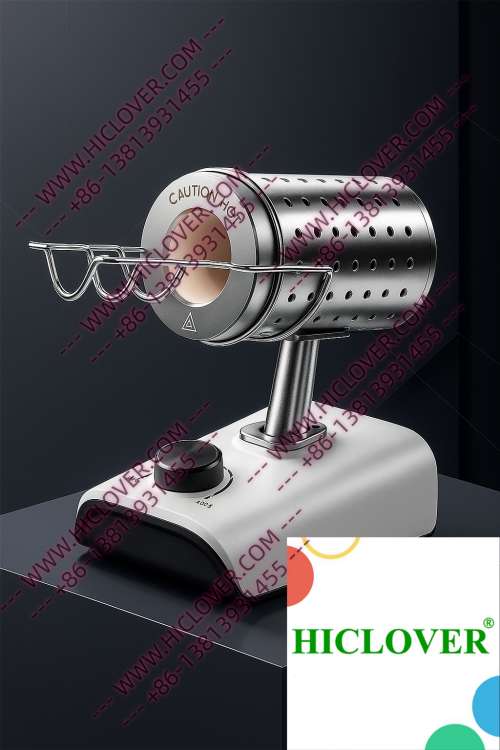
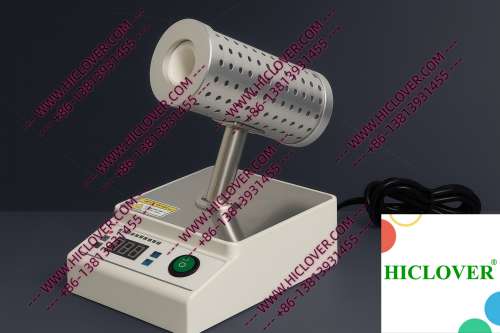
The Micro Incinerator operates on the principle of rapid thermal sterilization using infrared heat emitted from enclosed ceramic tubes. Unlike traditional flame sterilizers such as alcohol lamps or Bunsen burners, which pose risks associated with open flames and aerosols, micro incinerators ensure clean-bench-safe operation without the danger of ignition or contamination. Their innovative design allows for instant thermal control, making them ideal for precision sterilization needs.
Key Features of Micro Incinerators
- Rapid Heating: Achieves sterilization in seconds, enhancing lab efficiency.
- Temperature Control: Adjustable settings for various sterilization needs.
- Portability: Lightweight designs facilitate use in different lab settings, including field tests.
- Reduced Contamination Risk: Infrared heat eliminates microbial presence without exposing surfaces to flames.
Application Scenarios
In practical applications, the Micro Incinerator proves versatile across various laboratory setups. Below are two distinct scenarios illustrating its effectiveness:
1. BSL-2 Microbiology Labs
In BSL-2 microbiology labs, where handling of moderate-risk pathogens occurs, the Micro Incinerator ensures accurate sterilization of inoculating loops and other equipment. By placing the device within a biosafety cabinet, lab technicians can rapidly sterilize instruments while minimizing the risk of contamination and exposure to infectious agents.
2. University Teaching Labs
In educational settings, especially in university microbiology courses, the Micro Incinerator provides a safe and efficient alternative for students learning the principles of microbial inoculation. Instant sterilization allows for a smoother flow during lab sessions, helping students focus on learning without distraction from potential safety hazards associated with flames.
Compliance and Safety Standards in Laboratory Settings
Compliance with international biosafety standards is critical for any laboratory, and the Micro Incinerator meets the strict guidelines set by the World Health Organization (WHO) and local regulations. Effective sterilization is essential for maintaining cleanroom environments, particularly those involving cell cultures or sensitive experiments where no flame exposure is allowed.
“The adoption of infrared sterilization technologies in laboratories can significantly reduce biosafety risks while ensuring compliance with WHO standards.”
Traditional flame sterilizers can create aerosols, which may lead to contamination and unsafe working conditions in clean environments. The Micro Incinerator, however, offers an aerosol-free handling capability, making it suitable for BSL-3 laboratory operations where precise control is a must.
Cost Analysis: Affordability in Freetown Hospitals
The investment in laboratory sterilization equipment like the Micro Incinerator can yield significant long-term savings, particularly for hospitals in Freetown. While initial costs may be higher compared to conventional flame burners, the operational efficiencies, reduced risk of contamination, and compliance with safety norms justify the expenditure.
Micro Incinerator vs. Traditional Flame Burners
| Feature | Micro Incinerator | Traditional Flame Burners |
|---|---|---|
| Heating Method | Infrared | Open Flame |
| Contamination Risk | Low | High |
| Heat Control | Precise | Manual |
| Operation Safety | High | Moderate |
| Maintenance Cost | Low | High |
Frequently Asked Questions (FAQs)
1. Why should my lab switch to a Micro Incinerator?
The Micro Incinerator offers superior sterilization capabilities, faster workflow, and enhanced safety compared to traditional flame burners.
2. Are there specific applications where a Micro Incinerator excels?
Yes, it is particularly effective in BSL-2 and BSL-3 laboratories, educational settings, and field testing scenarios.
3. What are the maintenance requirements for these sterilizers?
Micro Incinerators require minimal maintenance, primarily focusing on cleaning the ceramic heating elements to ensure optimal performance.
4. How does the Micro Incinerator enhance safety in cleanroom environments?
By eliminating open flames, micro incinerators drastically reduce the risk of fire hazards and contamination from aerosols.
5. What is the price range of Micro Incinerators for hospitals in Freetown?
Depending on the specifications and manufacturers, prices can vary, but many hospitals find the investment worthwhile considering their long-term cost savings and compliance benefits.
Conclusion: Elevating Laboratory Sterilization Standards
In an era where laboratory biosafety is paramount, investing in advanced sterilization equipment such as the Micro Incinerator / Infrared Inoculating Loop Sterilizer is essential. With its enhanced safety features, rapid thermal sterilization capabilities, and compliance with global standards, this device represents a step forward for hospitals and research facilities in Freetown. For those looking to elevate their sterilization protocols while managing budget constraints, contacting us for a quote and more information about this innovative technology is advisable.
Categories:
Tags: