
In the realm of laboratory work, particularly in microbiology and clinical diagnostics, maintaining a sterile environment is not just a practice; it’s a necessity. Laboratories face various biosafety challenges such as minimizing contamination, ensuring compliance with health regulations, and improving throughput in sterilization processes. One effective solution to tackle these challenges is the Micro Incinerator, specifically the Infrared Inoculating Loop Sterilizer, which offers a modern alternative to traditional flame sterilizers.
Understanding the Technical Principles of Micro Incinerators
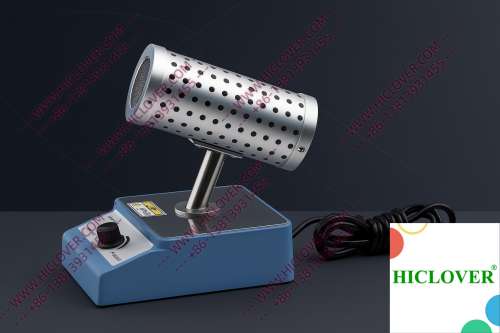
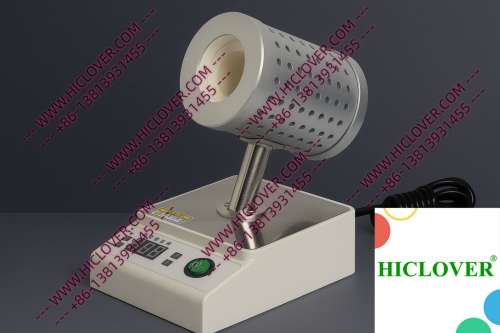
The Micro Incinerator utilizes infrared heat to achieve rapid thermal sterilization, effectively eliminating microbial contamination on inoculating loops. Its enclosed ceramic heating chamber ensures that the heat is concentrated, providing high-temperature disinfection without the risk of open flames common to Bunsen burners or alcohol lamps.
- Infrared Technology: The device harnesses infrared energy to heat the ceramic tube rapidly, allowing for quick sterilization cycles.
- Compact Design: The sleek design makes it suitable for various environments, including BSL-2 and BSL-3 labs.
- Safety Features: Unlike traditional flame sterilizers, the Micro Incinerator is clean-bench-safe, facilitating aerosol-free handling, thus minimizing risk to lab personnel.
Applications in Real Laboratory Settings
Micro Incinerators have versatile applications across different laboratory scenarios, enhancing safety and efficiency:
1. BSL-2 and BSL-3 Microbiology Labs
In high containment labs such as BSL-2 and BSL-3 facilities, the risk of pathogen exposure is significant. The Micro Incinerator enables researchers to sterilize loops and equipment swiftly and safely without introducing open flames, which could compromise the integrity of the sterile environment.
2. University Teaching Labs
In an educational setting, students can learn sterilization techniques in a safe environment. The Infrared Inoculating Loop Sterilizer is ideal for teaching proper handling of lab equipment without the hazards commonly associated with flame sterilizers. This not only ensures compliance with health standards but also cultivates a culture of safety in future scientists.
Compliance with Health and Safety Standards
Adhering to compliance and environmental standards is critical in laboratory operations. The World Health Organization (WHO) emphasizes the importance of proper sterilization to control infections. The Micro Incinerator meets strict lab sterilization standards, making it a compelling choice for hospitals and research centers in Dar es Salaam:
- No open flames in clean rooms, reducing risks of fire and contamination.
- Elimination of aerosol generation, addressing safety concerns regarding airborne pathogens.
- Efficient and environmentally-friendly sterilization process.
| Features | Micro Incinerator | Flame Sterilizers (Bunsen/Hood) |
|---|---|---|
| Heat Source | Infrared | Open Flame |
| Contamination Control | Aerosol-free | Higher risk |
| Full Temperature Control | Yes | Limited |
| Safety | Higher | Lower |
| Compliance with Health Standards | Yes | Variable |
Cost Considerations for Hospitals in Dar es Salaam
When evaluating laboratory equipment, cost is often a primary concern for hospitals and research institutions in Dar es Salaam. The initial expenditure on a Micro Incinerator may appear steeper compared to traditional flame sterilizers; however, its longevity, low maintenance requirements, and operational efficiency translate into long-term savings. Furthermore, considering the regulatory compliance and safety implications, investing in a Micro Incinerator is a proactive approach that enhances lab workflows while ensuring the safety of laboratory personnel.
FAQs
What is a Micro Incinerator used for?
A Micro Incinerator is used for rapid thermal sterilization of inoculating loops and other small laboratory instruments to eliminate microbial contamination efficiently.
How does infrared sterilization differ from flame sterilization?
Infrared sterilization uses concentrated heat without an open flame, reducing the risk of aerosol generation and enhancing safety. In contrast, flame sterilization can produce aerosols and pose a risk of fire.
Are Micro Incinerators compliant with WHO biosafety standards?
Yes, Micro Incinerators meet WHO biosafety standards by ensuring safe and effective sterilization without the risks associated with open flames.
Can a Micro Incinerator be used in a field testing laboratory?
Absolutely! Its portability and efficient design make it suitable for field testing environments where biosafety and rapid sterilization are critical.
What types of labs benefit most from using a Micro Incinerator?
Micro Incinerators are particularly beneficial in BSL-2 and BSL-3 labs, university teaching facilities, and mobile testing environments.
The Micro Incinerator represents an advanced solution for addressing the sterilization challenges faced by laboratories in Dar es Salaam. By leveraging modern technology, laboratories can enhance workflow efficiency, bolster safety, and maintain compliance with health regulations. For those looking to upgrade their laboratory practices, considering the Micro Incinerator is a step toward achieving a safer, contamination-controlled environment. Contact us today for more information and to explore competitive pricing options!
Categories:
Tags: