
As laboratory safety protocols continue to evolve, the need for efficient and eco-friendly sterilization methods has become paramount. Traditional sterilization methods, such as alcohol lamps and Bunsen burners, often come with inherent risks—flammable materials, cumbersome workflows, and potential contamination of sterile environments. This raises a notable challenge in maintaining biosafety standards, especially in sensitive laboratory settings. The introduction of micro incinerators, particularly the Infrared Inoculating Loop Sterilizer, represents a significant stride towards overcoming these challenges in Poland and beyond.
Understanding the Technical Principles
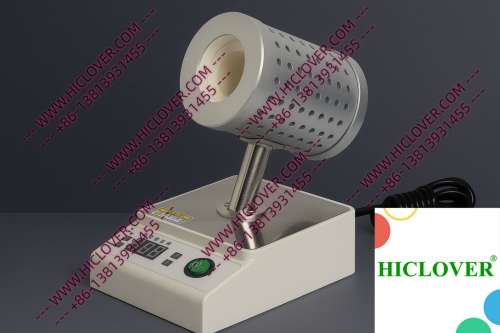
The Infrared Inoculating Loop Sterilizer operates on the principle of rapid thermal sterilization using infrared heat. Encased within a robust ceramic heating chamber, these devices generate high-temperature disinfection without the need for open flames, making them ideal for use in clean environments. The enclosed design ensures that there are no open flames that can lead to accidental fires or contamination.
Key advantages of this technology over traditional flame sterilizers include:
- Reduced Risk: No open flames mean less risk of combustion and contamination.
- Fast Sterilization: Infrared heat provides almost instantaneous disinfection capabilities.
- Energy Efficient: These devices consume less energy compared to traditional methods.
- Portability: Many infrared sterilizers are compact and easy to transport for field testing and mobile labs.
- What are the primary advantages of using micro incinerators in labs?
Micro incinerators offer rapid thermal sterilization, reduced risk of contamination due to open flames, and improved energy efficiency.
- Are micro incinerators compliant with global lab safety standards?
Yes, they adhere to WHO biosafety guidelines and are suitable for use in BSL-2 and BSL-3 laboratories.
- How can micro incinerators benefit field research?
Their portable design combined with fast sterilization capabilities makes them ideal for field testing in various environmental conditions.
- What types of laboratories can benefit from using this technology?
Clinical diagnostics, university teaching labs, and mobile field testing laboratories can all significantly benefit from micro incinerators.
- Can micro incinerators replace traditional sterilizers in most labs?
While not all labs may be ready to transition, micro incinerators provide a safer, faster alternative that many laboratories are adopting increasingly.
Application Scenarios in Real Laboratories
Micro incinerators serve multiple roles across various laboratory settings, enhancing safety and efficiencies. Here are two notable application scenarios:
1. University Teaching Labs
In teaching laboratories, especially within microbiology and biomedical programs, the need for swift and safe sterilization methods is essential. Students learning to handle cultures and pathogens can rely on infrared inoculating loop sterilizers for a safe educational environment. The intuitive operation enables students to focus on learning and experimentation without the distraction of traditional flame methods. This results in a more streamlined sterilization workflow, encouraging hands-on experience without the risks associated with open flames.
2. Biosafety Cabinet Use
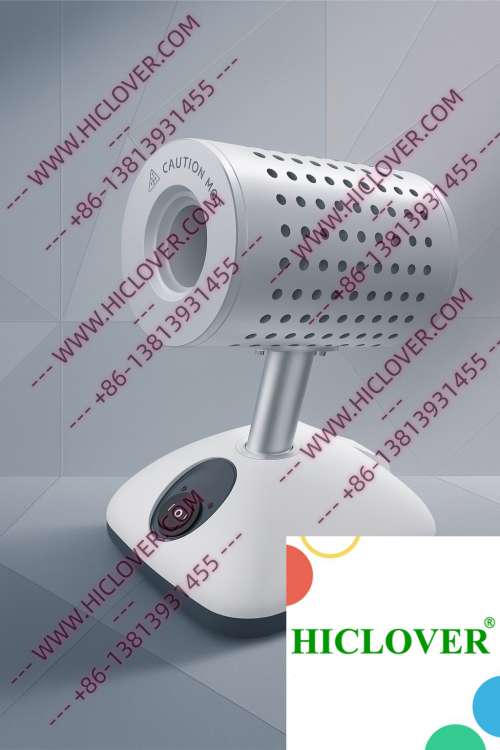
For BSL-2 and BSL-3 laboratories, maintaining a sterile environment is critical. The use of micro incinerators within biosafety cabinets allows researchers to perform inoculations and culture transfers without exposing the workspace to contaminants. The compact size of these sterilizers means they can fit neatly within cabinets, providing quick access for sterilization tasks while ensuring compliance with microbiological safety standards.
Compliance and Environmental Impact
Globally, laboratories are governed by stringent biosafety regulations, including WHO biosafety guidelines and various laboratory sterilization standards. Infrared incinerators comply with these guidelines by promoting a no-flame operation, making them suitable for clean rooms and sensitive research environments.
As Poland grapples with pressing waste management challenges, adopting eco-friendly sterilization practices aligns perfectly with national sustainability goals. The encapsulated technology leads to a reduction in hazardous waste and emissions, contributing to a cleaner environment. Utilizing micro incinerators not only supports laboratory biosafety but also symbolizes a commitment to environmental stewardship.
Comparison Table: Micro Incinerator vs. Flame Burners
| Feature | Micro Incinerator | Flame Burner |
|---|---|---|
| Safety | No open flame, lower risk of combustion | Open flame, higher risk of fire hazard |
| Disinfection Speed | Rapid, almost instantaneous | Slower, requires setup and ignition |
| Energy Efficiency | More energy-efficient | Less efficient due to continuous fuel consumption |
| Portability | Highly portable for field use | Bulkier, less portable |
Frequently Asked Questions
Conclusion
Micro incinerators, particularly the Infrared Inoculating Loop Sterilizer, showcase a powerful solution to Poland’s waste management and laboratory sterilization challenges. By enhancing laboratory biosafety while being environmentally conscious, these devices can transform laboratories into safer, more efficient work environments. If you’re ready to upgrade your sterilization equipment, don’t hesitate to contact us for more information or to make a purchase. Embrace a new standard in laboratory safety today!
Categories:
Tags: