
The field of laboratory biosafety continues to evolve, and one of the key challenges faced by medical facilities and research institutions is ensuring effective sterilization of tools and environments. With the rising need for stringent decontamination protocols in facilities ranging from clinical diagnostics to university teaching labs, Arlington hospitals are investing in advanced sterilization equipment. This article delves into the innovative Micro Incinerator/Infrared Inoculating Loop Sterilizer, a superior alternative to traditional flame sterilizers.
Understanding the Micro Incinerator Technology
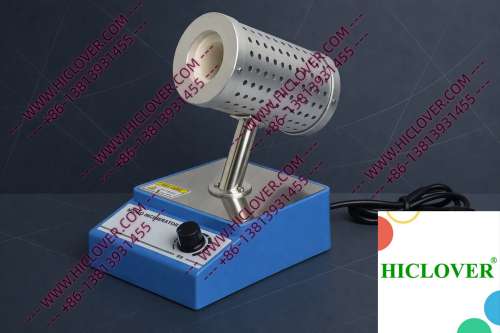
The Micro Incinerator, or Infrared Inoculating Loop Sterilizer, operates on the principle of rapid thermal sterilization using infrared heat generated within an enclosed ceramic tube. Unlike conventional alcohol lamps and Bunsen burners, which can be hazardous and produce aerosols, this modern apparatus offers a clean-bench-safe alternative that prioritizes user safety and contamination control. The infrared technology facilitates high-temperature disinfection without the use of open flames, making it an ideal choice for sensitive laboratory environments.
Key Features of the Micro Incinerator
- Rapid Heat-Up Time: Achieving operational temperature within seconds.
- Consistent Temperature Control: Ensures uniform sterilization every time.
- Safety Features: Flame-free operation avoids fire hazards in cleanrooms.
- Durable Design: Built with robust materials for long-term use in rigorous settings.
- Portable: Suitable for use in a variety of laboratory scenarios, including field testing.
Application Scenarios in Real Labs
Let’s explore two key scenarios where the Micro Incinerator’s benefits can be prominently witnessed:
1. Biosafety Cabinet Usage
In BSL-2 and BSL-3 microbiology labs, the use of biosafety cabinets is essential for handling pathogenic materials. During daily workflows, researchers utilize inoculating loops for transferring microbial cultures. The Micro Incinerator provides an efficient means of sterilizing these loops immediately after use, ensuring no cross-contamination occurs. Not only does it minimize aerosol production, but it also enhances the overall safety of the lab personnel working in high-risk environments.
2. Teaching Labs in Universities
In academic settings, particularly in university labs, students are taught the fundamentals of microbiological techniques, including sterile techniques. Using traditional flame sterilizers poses a risk, especially for inexperienced students. The Micro Incinerator offers an intuitive design that ensures students can safely and effectively perform inoculations without the fear of burns or fire hazards. Its rapid response time allows students to focus on the practical learning aspect rather than waiting on equipment to prepare.
Ensuring Compliance with Biosafety Standards
As laboratories strive to comply with international biosafety standards set by organizations like the WHO, the importance of selecting the right sterilization equipment cannot be overstated. Regulations often dictate that no flame devices be used in cleanrooms. The Micro Incinerator adheres to these standards by providing aerosol-free handling, making it compliant and safe for cleanroom applications. Moreover, its rapid thermal sterilization reduces the risk of contamination between experiments.
Micro Incinerator vs. Traditional Flame Sterilizers
| Feature | Micro Incinerator | Flame Sterilizer |
|---|---|---|
| Heat Source | Infrared | Open Flame |
| Aerosol Production | None | High |
| Portability | High | Moderate |
| Safety | Very High | Moderate |
| Temperature Control | Consistent | Variable |
FAQs About Micro Incinerators
1. What is the primary advantage of using a Micro Incinerator over a flame sterilizer?
The Micro Incinerator eliminates the risk of flames and aerosols, providing a much safer environment for laboratory use.
2. Can Micro Incinerators be used in field testing environments?
Yes, their portable design and rapid heat-up time make them ideal for mobile laboratories and field testing settings.
3. How do I maintain my Micro Incinerator for optimal performance?
Regular checks on the ceramic heating chamber and ensuring that the unit is free from any contaminants will maintain its efficiency.
4. Are Micro Incinerators compliant with WHO biosafety standards?
Yes, they are designed to meet stringent safety and sterilization standards required for medical and research facilities.
5. How long does it take for the Micro Incinerator to reach its working temperature?
It typically reaches the operational temperature within seconds, making it extremely efficient.
Conclusion: Enhance Your Laboratory’s Safety with Modern Sterilization Equipment
The transition towards adopting advanced sterilization methods like the Micro Incinerator is crucial for enhancing biosafety in laboratories. As Arlington hospitals and institutions recognize the value of upgrading their sterilization equipment, the Micro Incinerator is proving to be a game-changer. By choosing such modern equipment, you can ensure compliance with international standards while making workflows safer and more efficient.
For more information on acquiring the Micro Incinerator for your facility or to explore other laboratory solutions, please contact us today. Elevate your laboratory standards and prioritize safety with state-of-the-art sterilization technology.
Categories:
Tags: