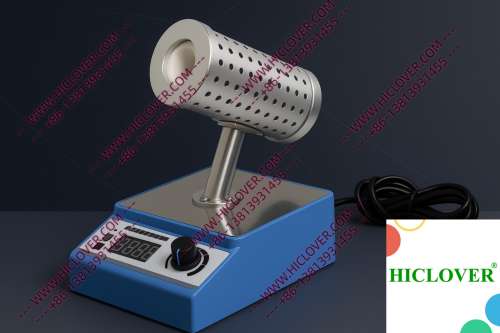
Laboratories worldwide face pressing biosafety challenges, particularly in the realm of sterilization workflows. As research and clinical environments strive for heightened safety and efficiency, the demand for advanced sterilization solutions has surged. The reliance on traditional flame sterilizers, such as alcohol lamps and Bunsen burners, poses risks in terms of exposure to open flames, especially in sensitive areas like biosafety cabinets and cleanrooms. Here, we explore the advantages of the Micro Incinerator / Infrared Inoculating Loop Sterilizer, an innovative solution that addresses these issues while adhering to strict compliance and efficiency standards.
The Technical Principles of Micro Incinerator Technology
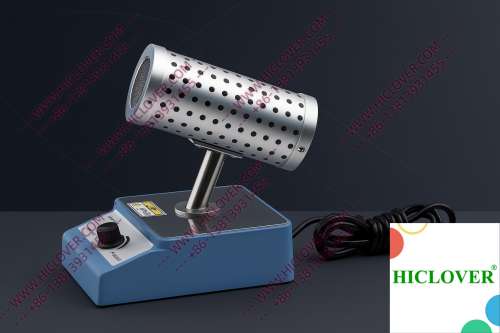
The Micro Incinerator operates on the principle of rapid thermal sterilization through infrared heat. The device employs a ceramic heating chamber that reaches temperatures surpassing 800°C within seconds. This technology ensures high-temperature disinfection without the risk of flame-spread contamination. Unlike traditional methods, it allows for precise control over the heating process, safeguarding against the release of aerosols and ensuring a clean-bench-safe environment.
Key Features of the Micro Incinerator
- Rapid heat-up time: Under 10 seconds to sterilize inoculating loops and tools.
- Enclosed design: Reduces the risk of contamination from the external environment.
- High safety standards: Flame-free operation promotes safety in sensitive laboratory settings.
- Portable and versatile: Ideal for both field testing and stationary lab setups.
- What is a Micro Incinerator?
A Micro Incinerator is a laboratory device that uses infrared heat for the rapid sterilization of inoculating loops and other small laboratory tools, ensuring a clean and contamination-free environment. - How does the Micro Incinerator differ from traditional sterilization methods?
Unlike traditional flame sterilizers, the Micro Incinerator operates without open flames, minimizing contamination risks and providing rapid thermal sterilization. - Is the Micro Incinerator safe for use in biosafety cabinets?
Yes, its enclosed design and flame-free operation make it an excellent choice for use in biosafety cabinets and cleanroom environments. - What are the energy efficiency benefits of using a Micro Incinerator?
The Micro Incinerator utilizes low energy requirements compared to traditional fuel-based sterilizers, making it a more sustainable option for laboratory sterilization. - Where can I purchase a Micro Incinerator?
Micro Incinerators can typically be purchased through laboratory supply distributors, hospitals, and universities that focus on advanced laboratory technologies.
Application Scenarios in Real Labs
Micro Incinerators are versatile devices adopted in various laboratory environments. Below are two application scenarios demonstrating their effectiveness:
1. Biosafety Cabinets in BSL-2 Laboratories
In BSL-2 microbiology labs, maintaining a sterile environment is crucial. The Micro Incinerator fits seamlessly into this scenario by allowing microbiologists to sterilize inoculating loops without compromising the sterile airflow of the biosafety cabinet. With its rapid heat-up capability, researchers can efficiently work with pathogenic microorganisms while minimizing risks associated with flame sterilization.
2. University Teaching Laboratories
In academic settings, such as university labs, the Micro Incinerator offers a safe and easy-to-use sterilization system for students learning about microbiology. The infrared inoculating loop sterilizer eliminates the complexities associated with handling open flames, ensuring a user-friendly experience while teaching essential laboratory techniques. Additionally, instructors can confidently demonstrate sterilization methods without exposing students to potentially hazardous situations.
Compliance and Environmental Considerations
The importance of adhering to biosafety guidelines cannot be overstated. The World Health Organization (WHO) outlines specific biosafety and lab sterilization standards that must be followed to ensure safe laboratory operations. The Micro Incinerator’s flame-free design aligns with these guidelines, particularly in cleanroom environments where the risk of fire must be mitigated. Furthermore, its efficient energy use contributes to a reduced ecological footprint in laboratory settings, promoting sustainability within the scientific community.
To illustrate compliance with sterilization standards, here is a comparison of sterilization methods:
Feature Micro Incinerator Traditional Flame Sterilizers
Operation Safety No open flames Open flames present hazards
Heat Up Time Rapid (<10 seconds) Variable (depends on fuel source)
Risk of Contamination Minimized Higher due to open flames and aerosols
Energy Efficiency Low energy use Variable, often higher due to fuel types
FAQs
Conclusion
As laboratories navigate the complexities of modern biosafety standards and workflow demands, the Micro Incinerator / Infrared Inoculating Loop Sterilizer presents a significant advancement in sterilization technology. Its compact design, rapid performance, and compliance with safety regulations position it as an indispensable tool for various laboratory settings, including BSL-2 environments, clinical diagnostics, and educational facilities.
If you’re interested in elevating your laboratory sterilization process while ensuring compliance and safety, consider reaching out to us for more information or to discuss purchasing options. Together, we can help you achieve a more secure and eco-friendly laboratory environment.
Categories:
Tags: