
In today’s laboratory environments, the need for effective sterilization solutions is more critical than ever. Issues such as contamination control and the adherence to biosafety standards pose significant challenges, especially in settings like BSL-2 and BSL-3 microbiology labs. Traditional methods of sterilization, including Bunsen burners and alcohol lamps, present risks such as open flames and potential aerosol generation, making them less suitable for modern laboratory practices. This has led to a growing demand for innovative equipment such as the Micro Incinerator or Infrared Inoculating Loop Sterilizer, which offers a clean, efficient, and eco-friendly solution for rapid thermal sterilization.
Technical Principles and Design of Micro Incinerators
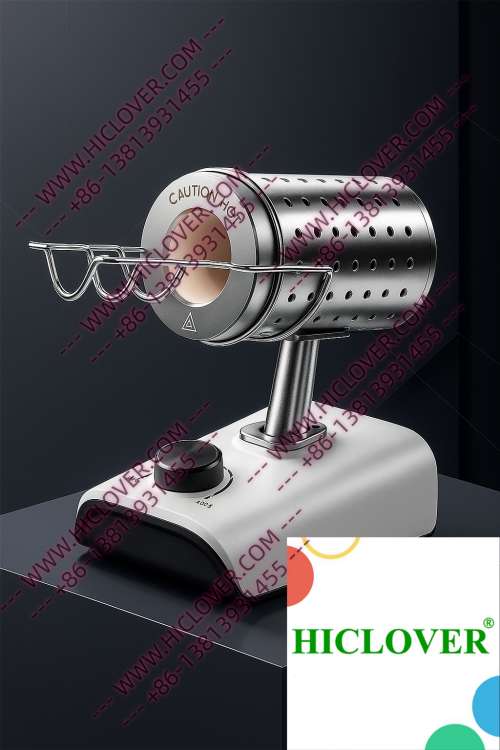
The Micro Incinerator utilizes an enclosed ceramic heating chamber that produces infrared heat to achieve high-temperature disinfection. Unlike traditional flame sterilizers, this device heats up quickly and maintains consistent temperatures, ensuring efficient sterilization of inoculating loops, needles, and other small items without the risks associated with open flames. The ceramic tube not only retains heat effectively but also withstands thermal shock, providing durability in demanding laboratory environments.
- Rapid Thermal Sterilization: The Micro Incinerator can reach sterilization temperatures in seconds.
- Clean-Bench-Safe Design: Eliminates the risks of aerosol generation that can compromise clean bench environments.
- Contamination Control: Reduces the risk of introducing pathogens as it does not expose samples to the external environment.
- Lightweight and Portable: Easy to transport and use in various laboratory settings, including field testing.
Application Scenarios in Real Labs
Biosafety Cabinets
In many microbiology labs, the Micro Incinerator is integrated within biosafety cabinets. This setup limits the exposure of research samples to the outside environment, ensuring effective contamination control during sterile procedures. The rapid sterilization process allows for quick turnaround times and increased productivity, making it ideal for tasks involving microbial work or cell cultures.
University Teaching Labs
University laboratories often require versatile sterilization solutions that facilitate hands-on learning while adhering to strict biosafety standards. The Micro Incinerator serves as an excellent teaching tool, allowing students to understand sterilization concepts while minimizing the risks associated with flame-based methods. Its user-friendly design ensures that students can practice safe and efficient techniques in their microbiological experiments.
Biosafety Compliance and Environmental Benefits
With increasing scrutiny on laboratory practices, compliance with biosafety standards set by organizations such as the WHO is essential. The Micro Incinerator aligns with the recommended guidelines regarding the sterilization of equipment and tools. By eliminating the need for open flames in clean rooms, it not only meets but exceeds safety regulations for laboratories engaged in clinical diagnostics and other sensitive applications. Additionally, the eco-friendly design minimizes carbon emissions, highlighting its role in sustainable laboratory practices.
| Feature | Micro Incinerator | Flame Burners |
|---|---|---|
| Heat Source | Infrared Ceramic Heating | Open Flame |
| Temperature Control | High-Precision | Variable |
| No Open Flame | Yes | No |
| Portability | High | Moderate |
| Risk of Aerosols | No | Yes |
Frequently Asked Questions
What are the main advantages of using a Micro Incinerator over a traditional flame sterilizer?
The Micro Incinerator offers numerous advantages, including rapid thermal sterilization, a clean-bench-safe design, and improved contamination control, ensuring a safer working environment in various lab settings.
Can the Micro Incinerator be used in outdoor or field testing labs?
Yes, its lightweight and portable design makes it an excellent choice for mobile and field testing environments, providing effective sterilization without the need for bulky and unsafe flame-based equipment.
Is the Micro Incinerator compliant with global biosafety standards?
Absolutely. The Micro Incinerator meets or exceeds the biosafety guidelines set by organizations like WHO, making it a viable choice for any laboratory concerned with compliance.
How does the Micro Incinerator contribute to environmental sustainability?
By eliminating the need for open flames and reducing carbon emissions associated with traditional methods, the Micro Incinerator promotes eco-friendly practices within laboratory environments.
What types of laboratories benefit the most from using a Micro Incinerator?
BSL-2 and BSL-3 microbiology labs, university teaching labs, and mobile or field testing labs can all benefit significantly from the efficiency and safety of a Micro Incinerator.
Conclusion
In conclusion, the rise of micro incinerators represents a pivotal shift towards safer and more sustainable laboratory practices. Augusta Laboratories stands at the forefront of this movement, offering innovative solutions that address contemporary biosafety challenges while adhering to environmental standards. For laboratories looking to enhance their sterilization workflow and meet stringent compliance regulations, investing in a Micro Incinerator or Infrared Inoculating Loop Sterilizer is a decision that can improve both safety and efficiency. Contact us today to explore how our solutions can foster your lab’s success.
Categories:
Tags: