
In light of the growing challenge of medical waste management, Baltimore hospitals are increasingly turning to innovative solutions such as micro incinerators. These devices help tackle crucial laboratory biosafety challenges, facilitating the sterilization workflow and providing a practical solution to the disposal of medical waste. This article will explore the use of micro incinerators, specifically Infrared Inoculating Loop Sterilizers, including their technical principles, applications in various laboratory settings, compliance with global safety standards, and the advantages over traditional flame sterilizers.
The Importance of Effective Lab Sterilization
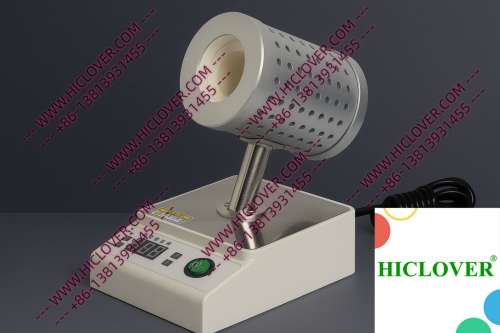
Ensuring effective sterilization in laboratories is paramount, especially in settings that deal with potentially infectious materials. Laboratory staff face challenges in maintaining contamination control and minimizing the risk of aerosol generation during sterilization. Conventional flame methods, such as alcohol lamps or Bunsen burners, have posed several limitations, including:
- Open flame posing fire hazards
- Emission of aerosols and particulates
- A need for stringent safety protocols and waste management
- Operational inefficiencies in busy labs
- Reducing the risk of aerosol generation
- Providing flame-free sterilization options in clean bench environments
- Ensuring rapid turnaround for sterilization tasks, conducive to compliance timelines
- What are the main benefits of using a micro incinerator in laboratory settings?
Micro incinerators provide a safer, more efficient means of sterilization, reducing the risk of aerosol generation and fire hazards. - Can micro incinerators be used in a clean bench setting?
Yes, the compact design of micro incinerators makes them ideal for use in clean benches, aligning with strict contamination control protocols. - How quickly can a micro incinerator sterilize tools?
Most micro incinerators can achieve sterilization in under 10 seconds, making them highly efficient for lab workflows. - Are micro incinerators compliant with WHO biosafety standards?
Yes, micro incinerators adhere to global biosafety standards, making them suitable for BSL-2 and BSL-3 labs. - How do micro incinerators reduce laboratory waste?
By effectively sterilizing tools and media, micro incinerators help minimize waste generated from traditional sterilization methods.
This necessitates the introduction of more sophisticated sterilization equipment to uphold biosafety while operating efficiently.
Technical Principles of Micro Incinerators
The Infrared Inoculating Loop Sterilizer is engineered to provide rapid thermal sterilization using high-temperature infrared radiation. This sterilizer features an enclosed ceramic heating chamber that directs infrared heat efficiently, enabling high-speed disinfection of tools and media. When the sterilizer is switched on, the ceramic tube reaches temperatures rapidly, allowing for effective sterilization within seconds. This design minimizes the risk of contamination while maximizing the efficacy of the sterilization procedure.
With an operating temperature exceeding 800°C, the sterilizer creates a safe environment where tools can be quickly and effectively sterilized without the open flame risks associated with traditional methods. Additionally, its compact configuration aids in maintaining a clean workspace, especially critical in a biosafety cabinet where contamination control is essential.
Applications in Real Laboratories
The versatility of micro incinerators makes them applicable in several unique laboratory scenarios:
1. Biosafety Cabinets
In BSL-2 and BSL-3 microbiology labs, maintaining a sterile environment is necessary to avoid contamination and ensure research safety. The infrared inoculating loop sterilizer’s compact design integrates seamlessly into biosafety cabinets. It allows researchers to sterilize inoculating loops and other tools without generating aerosols, thus reducing the risk of exposure to airborne contaminants.
2. Teaching Labs
Universities often require efficient sterilization solutions for their teaching labs where students handle live cultures. The micro incinerator enables students to learn proper sterilization techniques without the dangers associated with flame-based sterilizers. Its straightforward operation increases the confidence of novice laboratory users and ensures a safer laboratory environment.
Moreover, mobile or field-testing labs can benefit significantly from micro incinerators. Operating in diverse environments, these labs require sterilization solutions that are portable, efficient, and compliant with safety regulations.
Compliance with Biosafety Standards
Compliance with international biosafety standards is crucial for laboratory operations. Organizations such as the World Health Organization (WHO) outline comprehensive sterilization protocols that laboratories must adhere to, particularly in environments handling pathogenic microorganisms. Micro incinerators align with these standards by:
Traditional flame sterilizers often do not meet these requirements, given the inherent risks and inefficiencies. Therefore, switching to micro incinerators can greatly enhance compliance while improving overall lab safety.
Advantages Over Traditional Flame Sterilizers
When comparing micro incinerators with conventional flame sterilizers like alcohol lamps and Bunsen burners, several advantages stand out:
| Feature | Micro Incinerator | Flame Sterilizer |
|---|---|---|
| Risk of Fire | Minimal | High |
| Aerosol Generation | No | Yes |
| Operational Efficiency | Rapid (<10 seconds) | Varies |
| Clean Bench Compatibility | Yes | No |
FAQs
Conclusion
As Baltimore hospitals and laboratories seek effective solutions for managing medical waste, micro incinerators stand out as a cost-effective and compliant option. By prioritizing laboratory safety and enhancing sterilization workflow, these infrared inoculating loop sterilizers represent a smart investment for research centers, universities, and hospitals alike. For further information or inquiries about purchasing micro incinerators, please contact us today to explore how we can facilitate your sterilization needs.
Categories:
Tags: