
The demand for effective sterilization techniques in laboratory and medical settings has never been greater. In Bamako, hospitals are increasingly faced with biosafety challenges, from contamination control in surgical units to maintaining sterile environments in teaching labs. The advent of innovative sterilization equipment, particularly the Micro Incinerator / Infrared Inoculating Loop Sterilizer, is transforming how healthcare providers ensure safety and compliance in surgical practices.
Understanding Loop Sterilization Technology
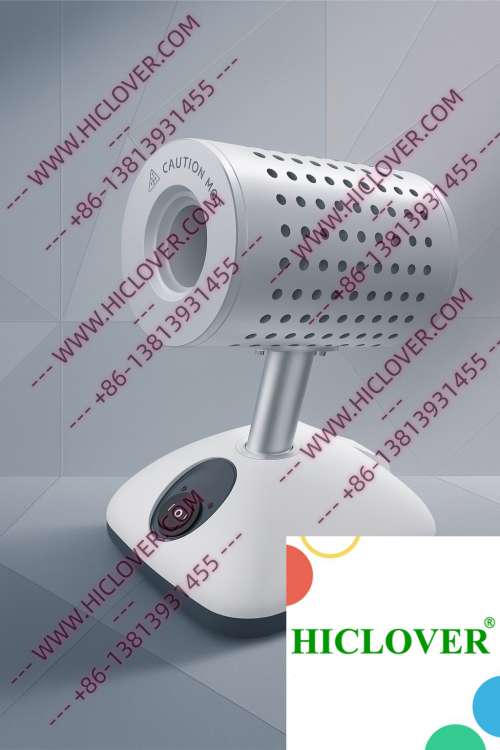
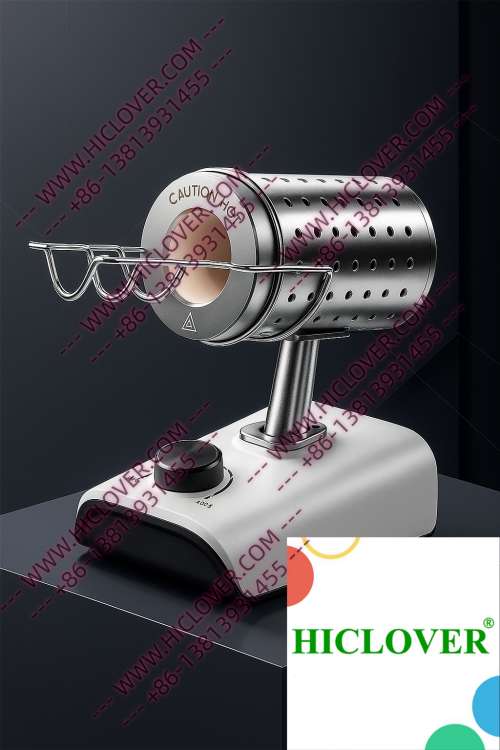
The Micro Incinerator operates on the principle of rapid thermal sterilization through infrared radiation. By utilizing an enclosed ceramic tube, this advanced technology delivers high-temperature disinfection without the use of flames, making it a safe choice for sterile environments. The infrared heating provides efficient and uniform temperature distribution, allowing for effective sterilization of inoculating loops and other laboratory instruments.
Key Configuration Features
- Enclosed Ceramic Heating Chamber: Minimizes heat loss and enhances thermal efficiency.
- Rapid Warm-Up Time: Reduces standby times, allowing for quick sterilization cycles.
- Temperature Control: Precise thermal regulation ensures consistent sterilization effects.
- Portability: Compact design makes it suitable for field testing environments.
- Providing a flame-free solution suitable for clean rooms and sterile environments.
- Reducing the risk of contaminating air with combustion products present in alcohol lamps and Bunsen burners.
- Ensuring consistency and reliability in sterilization practices, in alignment with prevailing laboratory sterilization standards.
- What is the main advantage of using a Micro Incinerator over traditional flame sterilizers?
The Micro Incinerator provides a safer, flame-free solution for sterilization, significantly reducing fire hazards and improving workspace safety. - Can the Micro Incinerator be used in field-testing situations?
Yes, its compact design and rapid sterilization capabilities make it ideal for portable use in field-testing scenarios. - Does using an Infrared Inoculating Loop Sterilizer require any special training?
While it is user-friendly, basic training in laboratory protocols and safety measures is recommended to ensure effective usage. - How does the Micro Incinerator support compliance with WHO guidelines?
Its design eliminates the risks associated with open flames and provides consistent sterilization, which is aligned with WHO sterilization standards. - What types of laboratory settings benefit most from using this sterilizer?
University teaching labs, clinical diagnostics, and mobile field-testing labs are particularly benefitted by the Micro Incinerator.
Practical Application Scenarios
In Bamako’s bustling hospital landscape, the Micro Incinerator is finding its place in several key settings:
1. Biosafety Cabinets
Laboratories operating under BSL-2 or BSL-3 conditions require stringent sterilization protocols to prevent biohazard exposure. Within biosafety cabinets, the Micro Incinerator offers a safe method for sterilizing inoculating loops without introducing flames, thereby eliminating the risk of aerosol generation. Its compact design allows labs to utilize valuable workspace effectively while meeting strict biosafety standards.
2. University Teaching Labs
In academic settings, students and researchers can benefit from practical training in sterilization methods. The use of the Micro Incinerator in university laboratories promotes safe practices for handling microbial cultures. The device’s user-friendly interface helps students learn rapid thermal sterilization techniques in a controlled environment, fostering a culture of safety and compliance that aligns with WHO guidelines.
Biosafety Compliance and Environmental Considerations
Adhering to international biosafety standards is critical for hospitals and laboratories. The World Health Organization (WHO) establishes guidelines that emphasize the importance of effective sterilization equipment while minimizing hazards associated with traditional flame methods. Notably, the Micro Incinerator supports compliance by:
These advantages highlight the growing recognition of infrared sterilization technology in fostering safer working conditions, making it an indispensable tool in modern laboratories.
Comparison of Sterilization Methods
| Feature | Micro Incinerator | Flame Burners |
|---|---|---|
| Heating Method | Infrared Heating | Open Flame |
| Temperature Control | Precise Regulation | Variable and Uncontrolled |
| Safety | Flame-Free | Fire Hazard |
| Environmental Cleanup | No Combustion Byproducts | Produces Harmful Gases |
Frequently Asked Questions
Conclusion
As Bamako’s hospitals enhance their surgical practices through innovative technologies, integrating tools like the Micro Incinerator / Infrared Inoculating Loop Sterilizer is paramount. This cutting-edge equipment not only meets the sterilization workflow demands but ensures adherence to vital biosafety standards, fostering a safer healthcare environment. For inquiries and further information on procuring this essential laboratory equipment, contact us today and elevate your sterilization processes!
Categories:
Tags: