
As Bangkok transforms into a hub of medical innovation, the challenges of laboratory biosafety have become more pronounced. Laboratories face countless obstacles in maintaining high hygiene standards, especially in environments with stringent sterilization workflow demands. Traditional methods, including alcohol lamps and Bunsen burners, often fall short, exposing both practitioners and patients to potential contamination risks. In response to these challenges, the introduction of modern sterilizers, especially the Micro Incinerator / Infrared Inoculating Loop Sterilizer, is revolutionizing hospital and laboratory hygiene.
The Science Behind Micro Incinerators
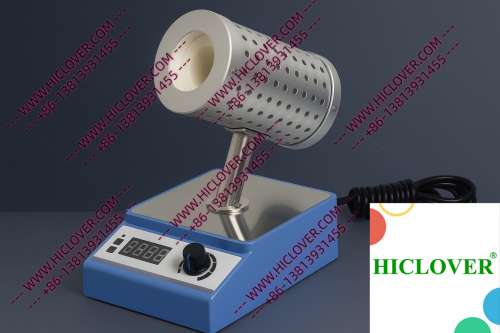
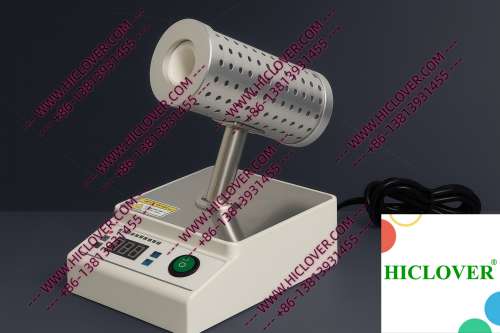
The Micro Incinerator operates on the principle of rapid thermal sterilization using infrared heat. This innovative device features an enclosed ceramic heating chamber that rapidly reaches high temperatures. Unlike traditional flame sterilizers, which can produce unwanted aerosols and contaminants, the Micro Incinerator offers controlled, enclosed, and flame-free sterilization. This crucial feature not only minimizes the risk of contamination but also enhances user safety by eliminating the inherent hazards associated with open flames in clean areas.
Advantages Over Traditional Flame Sterilizers
- Safety: No open flames minimize fire hazards.
- Speed: Rapid thermal sterilization reduces downtime.
- Efficacy: High-temperature infrared disinfection effectively eliminates pathogens.
- Cleanroom Compliance: Aerosol-free handling is essential in sterile environments.
- Energy Efficiency: Infrared technology consumes less energy than conventional burners.
- What makes the Micro Incinerator unique compared to regular sterilizers?
The Micro Incinerator utilizes infrared heat for rapid sterilization, ensuring aerosol-free handling and compliance with clean room protocols. - Can I use the Micro Incinerator in BSL-3 labs?
Yes, it is specifically designed for high-biosafety laboratories, offering a safer and more effective sterilization method. - How does this sterilizer help in environmental testing scenarios?
Its compact design and rapid sterilization capabilities make it ideal for mobile testing laboratories, ensuring strict hygiene even in remote areas. - Is the Micro Incinerator compliant with WHO biosafety standards?
Yes, it meets and exceeds WHO guidelines for sterilization practices. - Can I use the Micro Incinerator in university teaching labs?
Absolutely, it is an excellent educational tool to teach proper sterilization techniques without risk.
Application Scenarios in Modern Laboratories
Utilizing the Micro Incinerator within various laboratory environments underscores its versatility and effectiveness. Two key application scenarios demonstrate its significance:
1. Biosafety Cabinets
In BSL-2 and BSL-3 microbiology labs, the Micro Incinerator is invaluable for maintaining biosafety. Researchers can sterilize inoculating loops and other tools within a biological safety cabinet (BSC) without compromising the sterile environment. The absence of flames means that aerosol generation is significantly reduced, allowing for safer experiments with pathogens. As such, the Micro Incinerator fulfills compliance requirements with WHO biosafety standards while supporting efficient and secure laboratory practices.
2. Mobile Testing Laboratories
Field-testing laboratories benefit immensely from the compact design and rapid sterilization capabilities of the Micro Incinerator. In scenarios involving mobile units deployed for environmental testing or outbreak responses, this device ensures immediate sterilization of instruments without the need for extensive equipment or facilities. Researchers can confidently conduct sampling in remote locations while adhering to strict hygienic protocols.
Compliance and Environmental Considerations
With the increased emphasis on laboratory safety, compliance with sterilization standards has become more critical than ever. The WHO outlines specific biosafety guidelines that labs must adhere to, especially when handling pathogens. One significant directive is the prohibition of open flames in clean rooms. The Micro Incinerator not only meets these standards but exceeds them by providing a clean, efficient sterilization method that avoids the production of hazardous aerosols.
Furthermore, the environmental impact of traditional flame sterilizers, often reliant on alcohol and gas, is significant. Switching to infrared sterilization technologies not only aligns with sustainability goals but also leads to higher energy efficiency and reduced carbon footprints in healthcare environments.
Comparison of Micro Incinerator and Traditional Flame Burners
| Feature | Micro Incinerator | Flame Burners |
|---|---|---|
| Type of Heat | Infrared | Open Flame |
| Risk of Contamination | Minimized | Increased |
| Energy Efficiency | High | Low |
| Compliance with Clean Room Standards | Yes | No |
| Installation Space Requirement | Compact | Bulky |
FAQs about Modern Laboratory Sterilizers
Conclusion: A New Era in Laboratory Hygiene
The integration of Micro Incinerators into laboratory workflows represents a step forward in the quest for enhanced biosafety and sterilization efficacy. As Bangkok’s healthcare landscape continues to evolve, embracing innovative technologies in sterilization will not only improve hygiene standards but also enhance the quality of research and diagnostics. It’s an opportune moment for hospitals, universities, and research centers to invest in this vital equipment. For inquiries or to explore purchase options, contact us today and embrace the future of sterilization.
Categories:
Tags: