
In today’s rapidly evolving laboratory environment, biosafety challenges and sterilization workflow demands are at the forefront of operational efficiency. Traditional methods of sterilization—such as flame sterilizers, alcohol lamps, and Bunsen burners—have long been standard practice. However, as laboratories continue to prioritize biosafety, especially in settings like BSL-2 and BSL-3 microbiology labs, a shift towards alternative sterilizers, such as the Micro Incinerator or Infrared Inoculating Loop Sterilizer, offers significant advantages. This article explores how these innovative devices are reshaping laboratory sterilization practices, focusing on their technical principles, applications, compliance with global standards, and the benefits they offer over traditional methods.
Understanding Infrared Technology in Sterilization
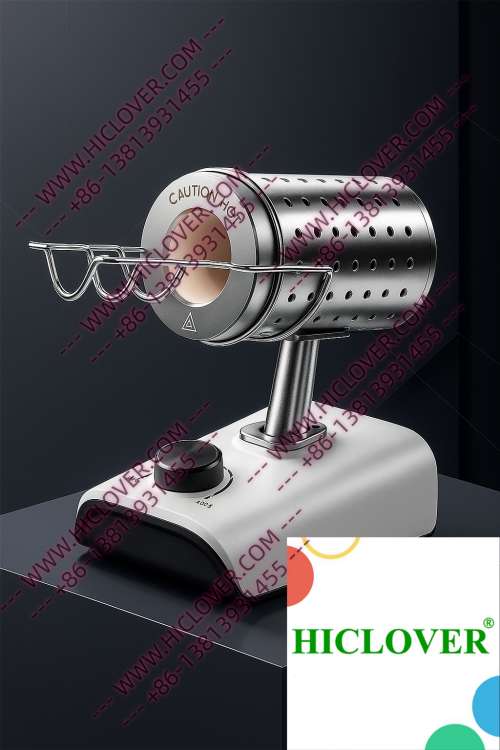
The Micro Incinerator operates on the principle of rapid thermal sterilization using infrared heat. Within its enclosed ceramic heating chamber, the device reaches high temperatures that effectively disinfect inoculating loops and other small lab instruments. Unlike traditional flame-based sterilizers that produce aerosols, the Micro Incinerator’s infrared technology ensures clean-bench-safe aerosol-free handling. This feature is pivotal in preventing contamination, a critical aspect in clinical diagnostics and research labs where precision is key.
Applications of Micro Incinerators in Laboratory Settings
The versatility of the Micro Incinerator allows for its use in various laboratory settings, enhancing workflow efficiency and maintaining biosafety standards.
1. University Teaching Labs
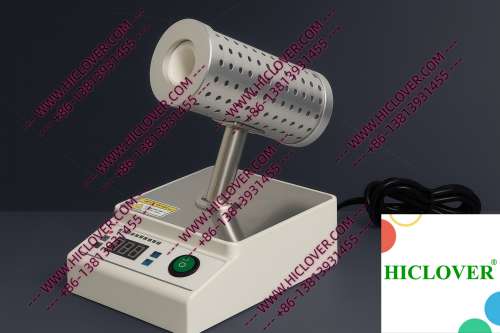
In educational environments, teaching labs are seeking reliable sterilization methods for student use. The Micro Incinerator provides a simple yet effective means of demonstrating sterilization procedures. Students can safely use this device to sterilize inoculating loops without the risk of burns associated with open flames. This hands-on approach allows students to develop a thorough understanding of contamination control while adhering to safety practices.
2. Field Testing in Mobile Labs
In scenarios where mobile or field testing labs are deployed—be it environmental testing or clinical outreach—the portability and efficiency of the Micro Incinerator prove invaluable. Its compact design allows field technicians to safely sterilize their tools on-site, ensuring that field samples remain uncontaminated and comply with necessary biosafety regulations.
Compliance and Environmental Considerations
As laboratories increasingly align with WHO biosafety regulations and lab sterilization standards, the use of open flames in clean rooms and BSL-3 laboratories is being scrutinized. Flame sterilizers can produce contaminants and pose a safety risk due to the potential for uncontrolled fires. The use of the Micro Incinerator aligns with compliance requirements regarding sterilization equipment, making it a preferred choice in laboratories aiming for high safety standards. Its design mitigates risks associated with traditional methods while ensuring laboratory environments remain clean and uncontaminated.
Advantages of Micro Incinerators vs. Traditional Flame Sterilizers
The benefits of using an infrared inoculating loop sterilizer over traditional flame sterilizers are substantial.
- Improved Safety: No open flame reduces risk of burns and uncontrolled fires.
- Rapid Thermal Sterilization: Immediate heat application ensures fast sterilization.
- Aerosol-Free Handling: Enclosed design minimizes contamination risk.
- Cost-Efficiency: Reduces the need for consumables like alcohol or gas.
- Ease of Use: Simple operation enhances practical application in diverse settings.
Comparative Overview
| Feature | Micro Incinerator | Traditional Flame Sterilizers |
|---|---|---|
| Operational Safety | No open flame, aerosol-free | Risk of burns, aerosol generation |
| Speed | Instant heating | Requires time to ignite |
| Cost of Operation | Lower long-term costs | Recurring fuel/alcohol costs |
| Environmental Impact | Minimal emissions | Vulnerable to fire hazards |
Frequently Asked Questions
What is a Micro Incinerator?
The Micro Incinerator is an infrared inoculating loop sterilizer designed to provide safe, efficient, and rapid sterilization for laboratory instruments without the use of flames.
How does infrared sterilization work?
Infrared sterilization employs high temperatures generated within an enclosed ceramic heating chamber, which instantly sterilizes instruments placed inside.
Is the Micro Incinerator suitable for BSL-3 labs?
Yes, its safety features and compliance with biosafety regulations make it ideal for use in BSL-3 and other high-containment labs.
How does this device improve workflow in clinical diagnostics?
By offering rapid thermal sterilization without open flames, the Micro Incinerator enhances workflow efficiency and reduces downtime for sterilization in clinical settings.
Conclusion
The Micro Incinerator/Infrared Inoculating Loop Sterilizer stands at the forefront of modern lab sterilization practices, providing enhanced safety, efficiency, and compliance with global biosafety standards. As laboratories worldwide, particularly in urban hubs like London, New York, and Tokyo, pivot towards innovative solutions, investing in a Micro Incinerator becomes not just a choice but a necessity for optimal lab operations. For a deeper understanding of how the Micro Incinerator can transform your lab’s practices, contact us today!
Categories:
Tags: