
In laboratory settings, stringent biosafety protocols are crucial for preventing contamination and maintaining the integrity of microbiological research. Laboratories must navigate several sterilization workflow demands, especially in environments where laboratory sterilization equipment plays a pivotal role in infection control. Among these, the Micro Incinerator or Infrared Inoculating Loop Sterilizer stands out as a key innovation in achieving rapid thermal sterilization without the hazards associated with traditional flame-based systems.
The Technical Principle of Infrared Sterilization
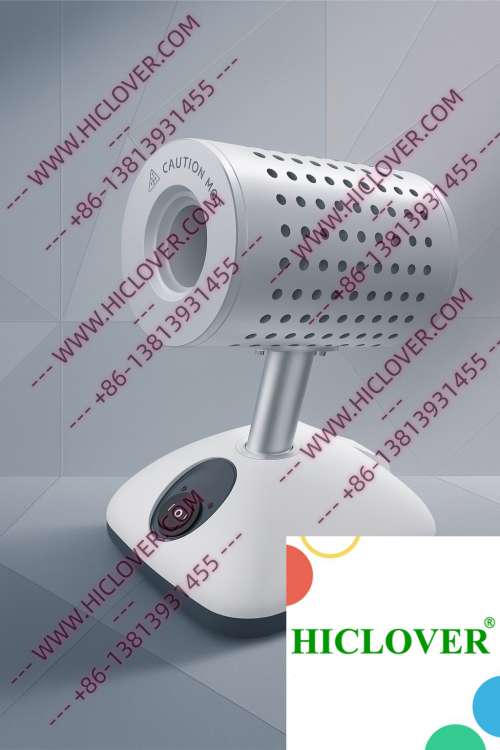
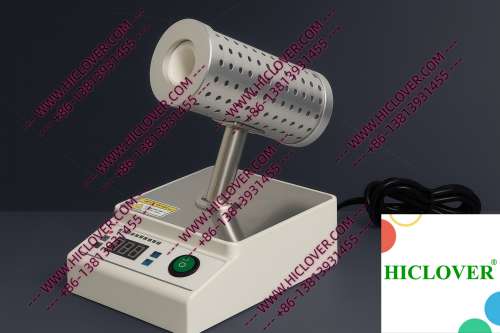
The Micro Incinerator utilizes infrared heat within a closed ceramic tube, producing high temperatures that are lethal to a broad spectrum of microorganisms. One of the defining features of this advanced sterilizer is its ability to reach temperatures of up to 800°C, allowing for rapid disinfection of inoculating loops, needles, and other laboratory tools in seconds. Unlike conventional flame sterilizers, this device promotes aerosol-free handling, significantly reducing contamination risks inherent with open flames.
Key Features of Micro Incinerators
- Quick Sterilization: Rapid heating time enables quick turn-around for laboratory workflows.
- Compact Design: The handheld design ensures ease of use in various laboratory environments.
- Safety: Eliminates the hazards associated with flame-based sterilizers, making it suitable for clean rooms and biosafety cabinets.
- Energy Efficiency: Consumes less energy than flame sterilizers, making it a more sustainable laboratory choice.
Application Scenarios in Real Labs
Biosafety Cabinets
In high containment environments like BSL-2 and BSL-3 microbiology labs, maintaining strict biosafety standards is vital. The Micro Incinerator is frequently employed within biosafety cabinets, where its enclosed design minimizes exposure to pathogens during sterilization procedures. Researchers can quickly sterilize tools without introducing flames, which can disrupt airflow patterns crucial for infection control.
University Teaching Labs
In university settings, particularly within teaching labs, the Micro Incinerator serves as an invaluable tool for students learning sterile techniques. Unlike traditional flame sterilizers, this unit eliminates the risk of burns and increases focus on proper sterile practices, allowing educators to emphasize contamination control without the worries associated with open flames. Additionally, its portability makes it an excellent resource for field testing and mobile labs, enhancing safety even beyond the lab environment.
Compliance with Global Standards
Compliance with lab sterilization standards is an essential requirement in any laboratory, as stipulated by organizations such as the World Health Organization (WHO). The Micro Incinerator aligns with these biosafety guidelines, offering a safe method for microbial sterilization and eliminating the need for flame, particularly in clean rooms where volatile substances may be present. Adherence to such regulations ensures laboratories maintain a benchmark for operational safety and efficacy.
Furthermore, regarding OSHA and other regulatory guidelines, laboratories are increasingly encouraged to adopt non-flame sterilization methods to protect personnel from inhalation of hazardous fumes and potential burns. The transition to infrared technology not only complies but also sets the standard for modern laboratory practices.
Comparison of Micro Incinerators versus Traditional Flame Sterilizers
| Feature | Micro Incinerator | Flame Sterilizers |
|---|---|---|
| Heating Method | Infrared Heat | Open Flame |
| Safety | Low Risk of Burn, No Flame | High Risk of Burns, Inhalation of Fumes |
| Energy Efficiency | Highly Efficient | Variable Efficiency |
| Contamination Control | Minimized Aerosolization | High Aerosolization Risk |
Frequently Asked Questions
What is a Micro Incinerator, and how does it work?
A Micro Incinerator is a laboratory sterilization device that uses infrared heat to quickly and effectively sterilize inoculating loops, needles, and other instruments, ensuring pathogen elimination without the risks associated with flames.
Can Micro Incinerators be used in clean rooms?
Yes, Micro Incinerators are designed for use in clean rooms as they do not produce an open flame, thus minimizing the risk of contamination and maintaining a sterile environment.
How does a Micro Incinerator compare to alcohol lamps and Bunsen burners?
Micro Incinerators provide a safer, more efficient method of sterilization compared to traditional alcohol lamps and Bunsen burners, with benefits including no open flames, faster sterilization times, and reduced contamination risks.
What standards must sterilization equipment comply with?
Laboratory sterilization equipment must meet various standards, including those set by OSHA and WHO, ensuring safety and efficacy in microbial sterilization practices.
What laboratory settings benefit most from using a Micro Incinerator?
Micro Incinerators are beneficial in various settings, including BSL-2 and BSL-3 microbiology laboratories, teaching labs, and field testing environments where immediate, safe sterilization is critical.
Conclusion
As Detroit hospitals face increasing challenges in infection control and biosafety, the adoption of advanced sterilization technologies like the Micro Incinerator represents a significant stride towards maintaining laboratory integrity. By providing rapid, safe, and effective sterilization, these infrared inoculating loop sterilizers are becoming indispensable in modern medical and research environments. If you are interested in enhancing your laboratory sterilization practices, consider integrating a Micro Incinerator into your workflow. For more information or to make a purchase, feel free to contact us today!
Categories:
Tags: