
Microbial research is crucial in the ever-evolving landscape of science, particularly in cities like Cairo, where rapid advancements are being made to address health challenges. Laboratories today encounter significant biosafety challenges, particularly in the context of sterilization workflow demands. The efficiency and reliability of sterilization processes not only ensure adherence to industry standards but also play a crucial role in maintaining the integrity of research outcomes. Among the innovative tools transforming this landscape is the Micro Incinerator, or Infrared Inoculating Loop Sterilizer, a game-changer for researchers striving for contaminant-free results.
The Importance of Laboratory Sterilization Equipment
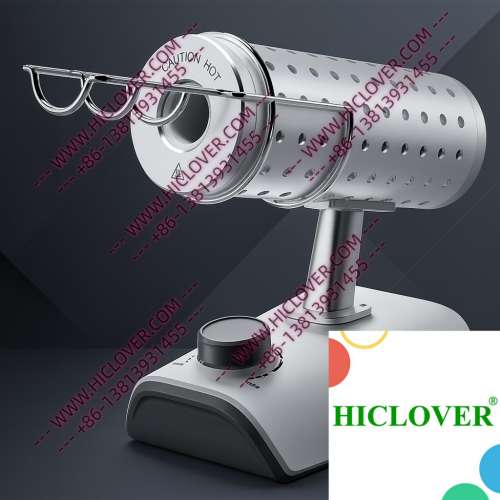
Effective laboratory sterilization equipment is essential for controlling biological and chemical hazards in research environments. In microbial laboratories, particularly BSL-2 and BSL-3 facilities, rigorous sterilization procedures are critical to prevent unwanted microbial contamination and ensure worker safety. Traditional sterilization methods largely relied on open flames, which posed risks of aerosol generation and scorching heat, leading to potential contamination risks.
Technical Principles of the Micro Incinerator
The Micro Incinerator operates on the principle of rapid thermal sterilization using infrared heat technology. This innovative device features an enclosed ceramic heating chamber that reaches high temperatures almost instantaneously, effectively sterilizing inoculating loops and other small instruments in seconds. The precise control of temperature is a significant advancement over traditional flame sterilizers, allowing for clean-bench-safe and aerosol-free handling.
Key Features of Infrared Loop Sterilizers
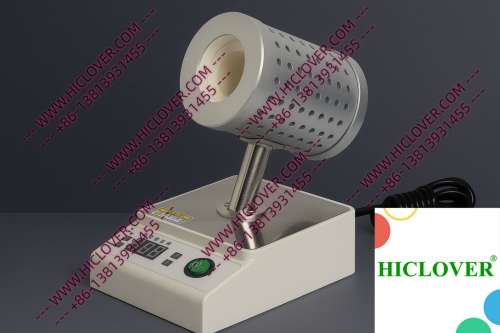
- Rapid heating: Achieves sterilization in just a few seconds.
- Compact design: Suitable for small and busy laboratory environments.
- Energy efficient: Saves on energy costs due to quick heating times.
- No open flame: Reduces fire hazards and improves lab safety.
- Low maintenance: Requires little upkeep compared to traditional flame sterilizers.
Application Scenarios in Real Labs
Let’s explore how the Micro Incinerator is applied in specific laboratory contexts:
1. Biosafety Cabinets in Microbial Laboratories
In BSL-2 labs, researchers handle human pathogens and biohazardous materials under controlled environments. The Micro Incinerator is often used inside biosafety cabinets, allowing microbiologists to sterilize inoculating loops without exposing viable samples to potential contaminants from open flames. This functionality not only enhances safety but also boosts productivity, as users can eliminate waiting times associated with traditional methods.
2. University Teaching Labs
A significant part of training future microbiologists involves hands-on experience with sterilization procedures. In university teaching labs, the Micro Incinerator is particularly advantageous as it offers an educational tool that emphasizes sterile technique. Students can quickly and safely sterilize their instruments, fostering a more efficient learning environment while minimizing risks associated with flame-related accidents.
Compliance and Environment Considerations
When considering laboratory sterilization equipment, compliance with health and safety guidelines is non-negotiable. Equipment like the Micro Incinerator aligns with WHO biosafety recommendations, ensuring safe handling practices in diverse laboratory settings. Given the preference for environments free of flames in clean rooms and laboratories, the adoption of infrared sterilizers is becoming not just advantageous but essential to meet regulatory standards.
Additionally, as laboratories aim to adhere to sterilization standards, devices like the Micro Incinerator help eliminate risks associated with volatile alcohol flames. This compliance strengthens laboratory operations, enhances safety protocols, and mitigates environmental impacts by reducing aerosolization of harmful pathogens.
Comparison Table: Micro Incinerator vs. Traditional Flame Sterilizers
| Feature | Micro Incinerator | Flame Burners |
|---|---|---|
| Heating Speed | Instantaneous | Variable time |
| Safety | No open flame | High risk of fire and injury |
| Contamination Risk | Aerosol-free handling | Aerosols generated |
| Energy Efficiency | High | Low |
FAQs About Micro Incinerators
- What are the primary benefits of using a Micro Incinerator in a lab setting?
Micro Incinerators offer rapid heating, increased safety through the absence of open flames, and a significant reduction in contamination risk compared to traditional flame sterilizers.
- How does the Micro Incinerator maintain compliance with biosafety standards?
This equipment aligns with WHO biosafety recommendations by providing safer sterilization methods that minimize pathogen aerosolization and enhance safe operating procedures.
- Can the Micro Incinerator be used in field testing scenarios?
Yes, its compact design and rapid sterilization capabilities make it ideal for use in mobile labs and field testing environments where traditional sterilization methods may not be feasible.
- How does a Micro Incinerator compare with alcohol lamps?
The Micro Incinerator provides a faster, safer, and more efficient sterilization method compared to alcohol lamps, which carry risks of flames and explosion.
Conclusion
The landscape of microbial research in Cairo is undoubtedly transforming thanks to advanced laboratory sterilization equipment like the Micro Incinerator. By prioritizing safety, efficiency, and compliance with biosafety standards, this infrared inoculating loop sterilizer represents a vital advancement in laboratory protocols. For those looking to enhance their sterilization processes and elevate biosafety standards, investing in a Micro Incinerator is a decisive step forward. To learn more about our sterilizers or to discuss purchasing options, feel free to contact us today!
Categories:
Tags: