
In the critical environment of a microbiology laboratory, the stakes are incredibly high when it comes to contamination control. Practitioners routinely navigate the fine line between progress and potential hazards. Melting away the old paradigm of using flame sterilizers like Bunsen burners or alcohol lamps, modern sterilization equipment like the Micro Incinerator, or Infrared Inoculating Loop Sterilizer, challenges traditional methods and enhances biosafety protocols.
The Technical Principle: Harnessing Infrared Heat
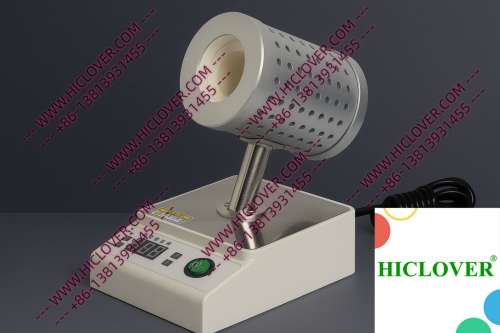
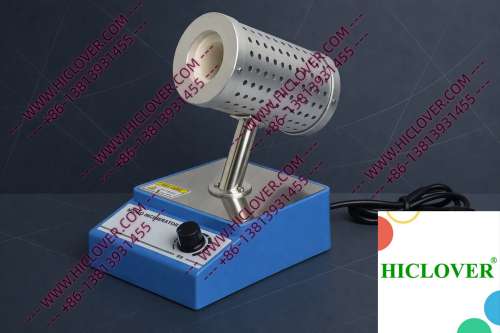
The Micro Incinerator utilizes advanced infrared heating technology to achieve rapid thermal sterilization. This device integrates an enclosed ceramic tube that heats up within seconds, allowing users to effectively and efficiently sterilize inoculating loops or other small instruments without the risks associated with open flames. This innovation reduces the risk of aerosols and other contaminants that are common side effects of flame-based sterilizers.
Benefits Over Traditional Flame Sterilizers
When comparing traditional flame sterilizers to the modern Micro Incinerator, several advantages stand out:
- Rapid heating and cooling cycles for efficient workflows
- Flame-free operation, creating a clean-bench-safe environment
- Reduction of aerosol generation, enhancing safety in BSL-2 and BSL-3 environments
- Ease of use, facilitating compliance in laboratory protocols
- No flammable materials required, lowering operational risks
- What makes the Micro Incinerator a safer choice for sterilization?
Its flame-free operation reduces aerosol risk and enhances safety in controlled environments. - Can the Micro Incinerator be used for field testing?
Absolutely! Its portable design allows for safe sterilization in various settings, adapting to diverse laboratory workflows. - Is this device compliant with global biosafety standards?
Yes, it complies with WHO and relevant laboratory sterilization guidelines, ensuring a high safety standard. - How does the Micro Incinerator benefit teaching labs?
It offers a safe and efficient learning environment for students, minimizing the risks associated with open flames. - What is the maintenance required for the Micro Incinerator?
Regular cleaning of the ceramic tube and routine checks ensure optimal performance and longevity of the device.
Application Scenarios: Real-World Usage
1. Clinical Diagnostics Labs
In clinical microbiology diagnostics, sterilization is paramount to avoid cross-contamination of samples. Using the Micro Incinerator within a biosafety cabinet allows for sterilization of inoculating loops quickly, ensuring blazingly fast turnaround times for microbial identification. As nurses and clinical technicians work under stringent WHO biosafety guidelines, the results obtained using this equipment tend to be more reliable, important for patient diagnosis.
2. University Teaching Labs
In an academic setting, particularly in teaching labs where students are learning fundamental microbiology techniques, the Micro Incinerator enhances learning experiences. It mitigates hazards associated with flames while teaching safe lab practices. Students can focus more on their experiments without the added distraction of flame management, thus ensuring an effective learning atmosphere.
Compliance and Environmental Impacts
In today’s progressive laboratory landscape, biosafety compliance is non-negotiable. Institutions face rigorous scrutiny under laboratory sterilization standards set by WHO and other regulatory bodies. For example:
The use of open flames in cleanrooms violates many cleanroom protocols due to the risk of contamination and flammability, making the Micro Incinerator an ideal solution.
The device meets compliance standards, thus addressing operational safety while aligning with environmental sustainability goals. Lesser reliance on toxic chemicals, reduced waste, and a more energy-efficient design translates to a lower carbon footprint.
Market Needs: The Shift Towards Safe and Efficient Sterilization
Across laboratories in regions such as North America, Europe, and growing markets in Asia, there is a growing demand for effective sterilization equipment. Institutions no longer view sterilization as merely a procedural formality; they recognize its critical role in preventing contamination, adhering to biosafety standards, and maximizing the efficiency of daily operations.
FAQs on Micro Incinerators and Laboratory Sterilization
Conclusion: Enhance Your Laboratory’s Safety and Efficiency
In conclusion, the Micro Incinerator represents a significant leap forward in laboratory sterilization technology. By embracing modern sterilization solutions, laboratories can substantially improve their biosafety compliance and workflow efficiency. If your institution demands high safety standards while aiming for superior sterilization results, it’s time to consider this revolutionary tool for your laboratory. For more information or to make a purchase, please contact us today!
Categories:
Tags: