
In the bustling world of healthcare, the critical importance of lab sterilization cannot be overstated. Tucson’s healthcare facilities grapple with diverse biosafety challenges, from ensuring contamination control to meeting strict sterilization workflow demands. Within this context, sterilization equipment such as the Micro Incinerator or Infrared Inoculating Loop Sterilizer plays an invaluable role, enhancing safety and efficiency in various laboratory environments.
The Importance of Laboratory Sterilization
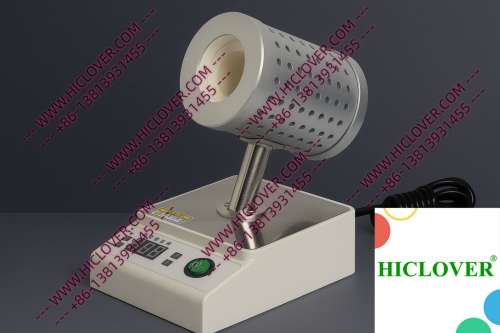
Effective laboratory sterilization is foundational to various fields, whether in clinical diagnostics or educational labs. Infection prevention hinges on reliable methods to eliminate pathogens without compromising sterile conditions or safety. The Micro Incinerator provides a solution that circumvents some limitations of traditional sterilization methods, offering rapid thermal sterilization without the risks associated with open flames.
Key Features of the Micro Incinerator
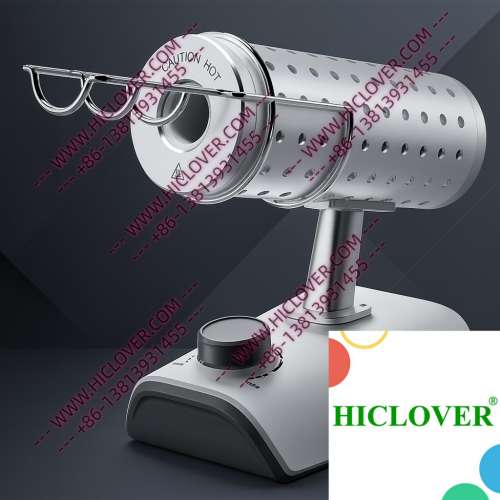
The Micro Incinerator employs infrared heat to achieve high-temperature disinfection. Unlike traditional flame sterilizers, it utilizes a ceramic heating chamber that rapidly achieves temperatures above 800°C in seconds. This enclosed design ensures that:
- Contamination Control: Effective elimination of microorganisms without exposing working environments to open flames.
- Aerosol-Free Handling: No aerosol generation, crucial for maintaining sterile environments, particularly in BSL-2 and BSL-3 labs.
- Clean-Bench-Safe: Its design allows for safe operation within biosafety cabinets, minimizing risks during high-stakes experimental work.
- Clinical Diagnostics: In medical labs, the Micro Incinerator is used for sterilizing inoculating loops swiftly. This is vital to ensuring that samples remain uncontaminated during diagnostics.
- University Teaching Labs: Educational institutions leverage these devices to equip students with safe sterilization practices. The fast sterilization process ensures that multiple student groups can work effectively without lab downtime.
- Overall biosafety level adherence (BSL-2, BSL-3).
- Environmental safety protocols to minimize impact on lab surroundings.
- Regular maintenance and performance checks to ensure equipment effectiveness.
Applications in Tucson’s Laboratories
In Tucson, healthcare facilities and research labs utilize Micro Incinerators in various scenarios:
Moreover, with increasing restrictions on the use of open flames due to fire safety concerns and compliance regulations, the Infrared Inoculating Loop Sterilizer presents itself as an indispensable tool for enhancing operational workflows in both educational and research settings.
Compliance with Safety Standards
The use of sterilization equipment is governed by stringent biosafety standards set forth by organizations such as the WHO. Compliance with lab sterilization standards is essential, particularly for facilities handling pathogenic microorganisms. The absence of open flames provided by Micro Incinerators aligns with the recommendation to avoid flame use in clean rooms, thus significantly reducing risks of accidental ignition and contamination.
Key compliance pointers include:
Advantages Over Traditional Flame Sterilizers
To grasp the full spectrum of benefits that the Micro Incinerator offers, it is helpful to compare it with conventional flame sterilizers:
| Feature | Micro Incinerator | Flame Sterilizers |
|---|---|---|
| Safety | Enclosed heating, no open flame | Open flame poses fire hazard |
| Speed | Instantaneous heat | Slower, requires preheating |
| Control | Easy control of sterilization temperature | Difficult to control flame intensity |
| Usability | Safe in clean environments | Restrictions in cleanrooms |
Frequently Asked Questions
What is the Micro Incinerator’s power source?
The Micro Incinerator operates using standard electrical connections, making it convenient for various laboratory settings without requiring specialized gas lines.
How does it ensure contamination-free operations?
With its enclosed heating chamber and rapid thermal sterilization capabilities, it effectively eliminates pathogens without exposing materials to external contaminants or generating aerosols.
Can it be used in BSL-3 labs?
Yes, the Micro Incinerator is suitable for use in BSL-3 labs, providing safe sterilization processes while adhering to the strictest biosafety standards.
What maintenance is required for the Micro Incinerator?
Regular checks on the heating element and ensuring the ceramic chamber remains clean are essential for maintaining optimal performance. Periodic calibrations and performance assessments are also recommended.
Is the Micro Incinerator portable?
While primarily designed for lab use, its lightweight design and compact form allow for ease of transport between laboratories, making it suitable for mobile or field-testing applications.
Conclusion
The Micro Incinerator / Infrared Inoculating Loop Sterilizer stands out as an exceptional tool in the fight against contamination in Tucson’s healthcare facilities. By enhancing safety, improving workflow efficiency, and ensuring compliance with biosafety standards, it significantly transforms how sterilization is handled in various laboratory environments. If you’re interested in incorporating this advanced technology into your operations, we invite you to reach out for further information and purchasing options.
Categories:
Tags: