
In laboratories across Belgium and beyond, biosafety challenges are ever-present. As research demands increase, so do the requirements for effective sterilization workflows. Inadequate sterilization methods can lead to cross-contamination, jeopardizing research integrity and posing health risks. This is where innovative technologies like the Micro Incinerator or Infrared Inoculating Loop Sterilizer come into play, revolutionizing the way we approach laboratory sterilization while promoting a greener future.
The Science Behind Micro Incinerators
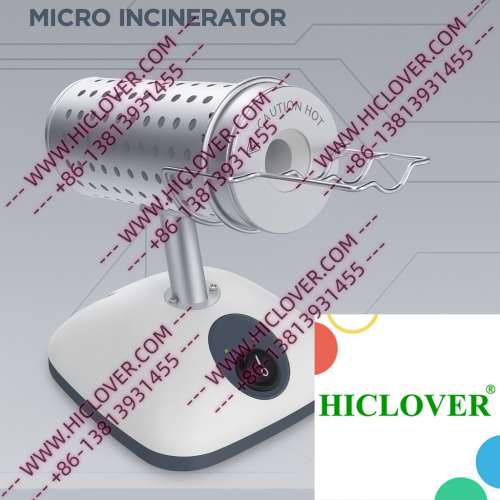
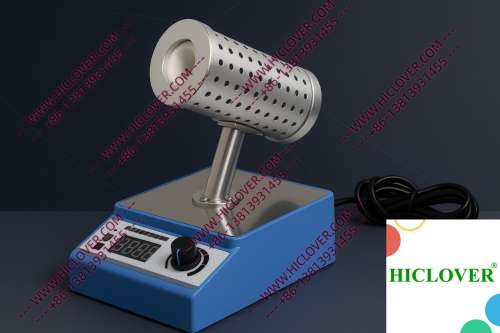
Micro incinerators utilize advanced infrared heat technology to achieve rapid thermal sterilization. At the core of this innovative device is a ceramic heating chamber that reaches high temperatures quickly, allowing for efficient disinfection of inoculating loops and other laboratory tools. Unlike traditional flame-based sterilization methods, which can produce harmful aerosols and present fire hazards, micro incinerators provide a clean-bench-safe solution for today’s stringent laboratory environments.
Applications in Real Labs
Micro incinerators are making waves in various laboratory settings, significantly enhancing environmental and operational efficiencies:
- Biosafety Cabinets: In BSL-2 and BSL-3 microbiology labs, where contamination control is critical, micro incinerators can be integrated seamlessly into biosafety cabinets. Their enclosed design minimizes risks associated with aerosol generation, ensuring that researchers can work safely with pathogenic microorganisms.
- Field Testing: For mobile or field testing labs, especially in health diagnostics, micro incinerators offer a compact and effective sterilization technique. Their portability makes them ideal for remote environments where traditional sterilization resources may be limited.
- Clinical Diagnostics: In hospital labs, quick turnaround times are essential for patient results. By using micro incinerators, lab technicians can sterilize inoculating loops promptly, minimizing downtime and enhancing workflow efficiency.
- University Teaching Labs: In educational settings, where students are learning microbiological techniques, micro incinerators serve as an excellent teaching tool. They help demonstrate effective sterilization methods while maintaining a safe learning environment, free from the risks associated with flame-based devices.
Compliance and Environmental Considerations
Adhering to biosafety regulations is paramount in laboratory operations. The World Health Organization (WHO) emphasizes the importance of maintaining sterile environments in laboratories handling pathogenic microbes. The integration of micro incinerators not only meets but exceeds lab sterilization standards, as they eliminate the need for open flames in clean rooms and other controlled settings. This compliance significantly reduces the risks of fire hazards and airborne contamination, ensuring a safer workplace for researchers.
Advantages of Micro Incinerators Over Traditional Flame Sterilizers
| Feature | Micro Incinerator | Traditional Flame Sterilizers |
|---|---|---|
| Heating Mechanism | Infrared technology | Open flame |
| Safety | Enclosed design, minimizes aerosol | Fire hazards, increases contamination risk |
| Power Source | Electric | Gas or alcohol fuel |
| Speed of Sterilization | Rapid thermal sterilization | Variable, often slower |
| Environmental Impact | Lower emissions, greener alternative | Fuels can be harmful to the environment |
Real-World Scenarios
Let’s explore how the micro incinerators are currently utilized in different laboratory contexts:
FAQs
What is a Micro Incinerator?
A micro incinerator is an advanced sterilization device that uses infrared heat to quickly and effectively sterilize inoculating loops and laboratory tools, minimizing the risk of contamination.
How does the Micro Incinerator ensure safety in the lab?
Its enclosed design prevents aerosol generation, significantly reducing contamination risks and fire hazards commonly associated with traditional flame sterilizers.
Can a Micro Incinerator be used in field testing applications?
Yes, micro incinerators are compact and portable, making them an excellent choice for field testing labs where sterilization capabilities are often limited.
Are Micro Incinerators compliant with current biosafety standards?
Absolutely, they meet and exceed WHO biosafety standards, ensuring optimal safety and sterility in microbiological laboratory environments.
What are the benefits of using infrared technology for sterilization?
Infrared technology provides rapid thermal sterilization, minimizes the production of harmful aerosols, and is safer for use in clean rooms compared to traditional flame methods.
Conclusion
The transition towards greener laboratory practices in Belgium is gaining momentum with the adoption of micro incinerators. These innovative devices not only enhance sterilization efficiency but also align with environmentally conscious goals. If your laboratory is looking to upgrade its sterilization processes, consider the Micro Incinerator / Infrared Inoculating Loop Sterilizer for a cleaner, safer future. Contact us today to explore purchasing options and learn more about how our products can fit your research needs.
Categories:
Tags: