
As laboratory professionals face increasing biosafety challenges and workflow demands, the need for reliable sterilization equipment has never been more critical. Among the array of sterilization tools available, Micro Incinerators, particularly the Infrared Inoculating Loop Sterilizer, stand out for their efficiency and effectiveness. This article will delve into best practices for incorporating this technology within Melbourne’s laboratories, emphasizing its benefits over traditional sterilizers.
Understanding the Technical Principles
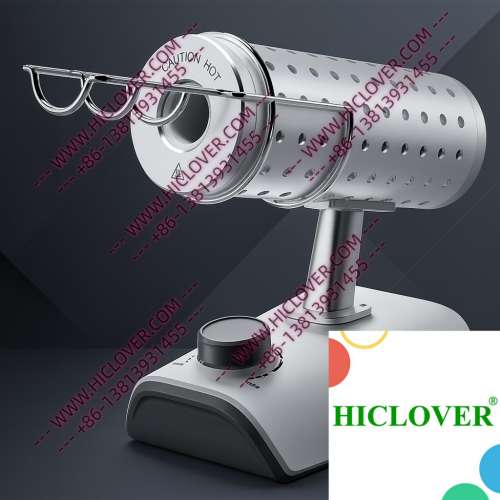
Micro Incinerators leverage the power of rapid thermal sterilization, utilizing infrared heat produced by an enclosed ceramic tube. Unlike traditional flame sterilizers, such as alcohol lamps or Bunsen burners, these devices provide an aerosol-free handling experience, minimizing contamination risks. The ceramic heating chamber ensures that temperatures reach high levels swiftly, allowing for effective disinfection without the open flame hazards associated with traditional methods.
Advantages Over Traditional Flame Sterilizers
- Safety: No open flames reduce the risk of fire, especially in clean rooms.
- Efficiency: Rapid heating times significantly speed up sterilization procedures.
- Reproducibility: Precise control over temperature promotes consistent sterilization results.
- Environmental compliance: Infrared sterilization minimizes chemical waste and harmful emissions.
- ISO 11135 – Sterilization of health care products.
- ANSI/AAMI ST79 – Comprehensive guide to steam sterilization and sterility assurance.
- WHO guidelines for the safe management of wastes from health care activities.
Applications in Real Laboratories
Melbourne laboratories can optimize their workflows by utilizing Micro Incinerators in various scenarios:
Biosafety Cabinets
In BSL-2 and BSL-3 microbiology labs, effective sterilization is paramount. Micro Incinerators can be integrated within biosafety cabinets to ensure that all inoculating loops and instruments are quickly sterilized before they come into contact with sensitive samples. This not only maintains a sterile environment but also protects laboratory personnel from potential biohazards.
Field Testing Laboratories
Micro Incinerators are also highly beneficial in field testing settings, such as those used for environmental monitoring. Their portability and rapid sterilization capability allow field technicians to perform tests without the need for bulky traditional equipment. This enhances efficiency when working with samples in remote locations, thus supporting a more flexible workflow.
Compliance and Environmental Considerations
Implementing Micro Incinerators aligns with several international biosafety standards set forth by organizations such as the World Health Organization (WHO). Laboratories in Melbourne are expected to adhere to these standards, ensuring exposure control and effective sterilization of laboratory tools. The absence of flames in clean rooms not only aligns with regulatory requirements but also significantly reduces aerosol production, which is a common concern with traditional sterilization methods.
Lab Sterilization Standards
Some of the key standards regarding laboratory sterilization include:
Ensuring compliance with these standards is crucial for laboratories aiming to create a safe and efficient working environment.
FAQ Section
What is the primary function of a Micro Incinerator?
A Micro Incinerator is designed for rapid thermal sterilization of inoculating loops and other laboratory instruments, utilizing infrared heat to achieve high temperatures safely.
How does a Micro Incinerator compare to traditional flame sterilizers?
Micro Incinerators offer a safer, quicker, and more efficient sterilization process without the risks associated with open flames, such as fire hazards and aerosol generation.
Where can I use Micro Incinerators?
Micro Incinerators can be effectively utilized in various settings, including BSL-2 and BSL-3 laboratories, field testing labs, and university teaching environments.
Are there specific biosafety regulations for using Micro Incinerators?
Yes, the use of Micro Incinerators must comply with biosafety standards set by authorities like the WHO to ensure safe sterilization practices in laboratories.
What is the lifespan and maintenance requirement of a Micro Incinerator?
Micro Incinerators typically have a long lifespan with minimal maintenance needs. Regular checks and cleaning of the ceramic heating chamber are advisable for optimal performance.
Conclusion
Integrating Micro Incinerators, particularly the Infrared Inoculating Loop Sterilizer, can substantially enhance laboratory sterilization practices in Melbourne. By adopting this advanced technology, laboratories ensure compliance with stringent biosafety standards while improving workflow efficiencies.
If you’re looking to upgrade your laboratory’s sterilization equipment, investing in a Micro Incinerator is a forward-thinking choice. Contact us today to learn more about our range of high-quality sterilizers tailored to meet your lab’s needs.
Categories:
Tags: