
In the domain of laboratory science, maintaining strict biosafety standards and contamination control is vital. Various sterilization workflows exist to ensure that microbial cultures remain uncontaminated, particularly in sensitive environments such as BSL-2 and BSL-3 laboratories. With the rise of pathogen threats and the increasing need for sterilization efficiency, the Micro Incinerator, or Infrared Inoculating Loop Sterilizer, has emerged as a superior choice compared to traditional flame sterilizers like alcohol lamps or Bunsen burners. This article delves into best practices for maintaining and calibrating your laboratory sterilizer equipment.
Understanding the Micro Incinerator
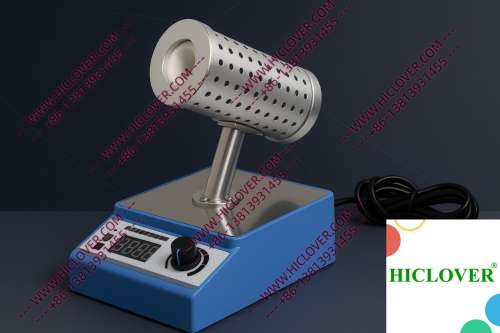
The Micro Incinerator operates on advanced principles of infrared heat generation, employing a closed ceramic heating chamber. This innovative design ensures rapid thermal sterilization by producing high temperatures in a contained environment, allowing for aerosol-free handling and swift disinfection of inoculating loops and needles. Unlike conventional flame sterilizers, the Micro Incinerator is capable of delivering a stable and uniform heat source, making it ideal for precise sterilization processes.
Technical Features of the Micro Incinerator
- Rapid Thermal Sterilization: Achieves sterilization in less than 10 seconds.
- Enclosed Ceramic Tube: Prevents exposure to flames and reduces contamination risk.
- High-Temperature Disinfection: Operates at temperatures exceeding 800°C.
- Clean-Bench Safe: Specifically designed for use in biosafety cabinets.
- Regular Cleaning: Clean the ceramic tube with sterilizing agents to prevent buildup that may affect performance.
- Calibration Checks: Schedule routine checks to verify heat levels and uniformity across the ceramic surface.
- Visual Inspections: Regularly inspect the device for signs of wear and tear or damage to the heating element.
- Operational Logs: Maintain detailed records of usage and any maintenance performed for compliance and troubleshooting.
- Professional Servicing: Engage qualified technicians for annual servicing and updates to keep the unit functioning optimally.
Application Scenarios in Real Labs
Applications of the Micro Incinerator span various settings. Here are two prominent scenarios:
1. Biosafety Cabinet Usage
In a biosafety cabinet, the Micro Incinerator allows microbiologists to maintain sterile conditions while performing delicate manipulations. The closed design of the device minimizes aerosol generation, which helps keep the workspace free from contaminants. As cultures are handled and inoculated, the quick and effective sterilization of loops reduces the risk of cross-contamination between experiments, keeping research reliable and valid.
2. Field Testing Laboratory
Mobile or field testing labs benefit significantly from the portability and ease of use of the Micro Incinerator. When conducting environmental samples or clinical diagnostics in the field, the infrared feature provides a sturdy alternative to conventional gas burners, which may be impractical in outdoor settings. The ability to rapidly sanitize tools ensures that results remain uncompromised, making this device invaluable for field researchers and public health officials.
Compliance and Environmental Considerations
Laboratories worldwide must adhere to stringent sterilization and biosafety standards established by organizations such as the WHO. For instance, using flame sterilizers in clean rooms is often prohibited due to the combustion process that can generate aerosols and particulate matter, risking air quality and sterility. In contrast, the non-flame operation of the Micro Incinerator complies with these regulations and is noted for its environmental safety.
Biosafety Compliance Reference
“Adhering to ISO 11135-1 for steam sterilization ensures safety and efficacy in microbial control. The Micro Incinerator aligns with these best practices, offering a reliable sterilization alternative.”
Best Practices for Maintenance and Calibration
To ensure the longevity and accurate performance of your Micro Incinerator, regular maintenance and calibration are crucial. Consider the following best practices:
Frequently Asked Questions
What are the advantages of a Micro Incinerator over traditional flame sterilizers?
Micro Incinerators provide rapid, consistent heat without the risks associated with open flames, such as aerosol generation and increased contamination potential, especially in biosafety cabinet environments.
How often should I calibrate my Micro Incinerator?
It is recommended to perform calibration checks every six months or after significant usage to ensure consistent performance and compliance with sterilization standards.
Can the Micro Incinerator be used in a field testing lab?
Yes, its portable design and ease of use make it highly effective for field testing labs, ensuring efficient sterilization processes even in outdoor and variable settings.
Is the Micro Incinerator environmentally safe?
Absolutely! Its non-flame operation minimizes the risk of aerosol production, complying with biosafety standards and ensuring safety in clean environments.
What materials can the Micro Incinerator effectively sterilize?
The Micro Incinerator is ideal for sterilizing inoculating loops, needles, and small laboratory tools frequently used in microbiology and clinical diagnostics.
Conclusion
In conclusion, the integrity of laboratory work is deeply intertwined with efficient sterilization practices. The Micro Incinerator offers numerous advantages in terms of operational safety, compliance with biosafety regulations, and effective sterilization methods. If you’re looking to enhance your laboratory’s sterilization capabilities, consider investing in a Micro Incinerator. For inquiries or to learn more about how this equipment can transform your sterilization workflow, feel free to reach out.
Categories:
Tags: