
In the realm of biosafety, laboratory researchers face numerous challenges, from the risk of contamination to compliance with hygiene standards. One of the most critical workflows in any laboratory setting, particularly in high-stakes environments like BSL-2 and BSL-3 microbiology labs, is the sterilization of inoculating loops. Traditional methods, such as alcohol lamps and Bunsen burners, while historically widespread, pose several limitations including open flames, risk of aerosol generation, and contamination. Enter the Micro Incinerator or Infrared Inoculating Loop Sterilizer—a cutting-edge solution designed for quick, effective sterilization without the hazards posed by flame-based systems.
Understanding the Technology: Infrared Heat and Ceramic Tube Design
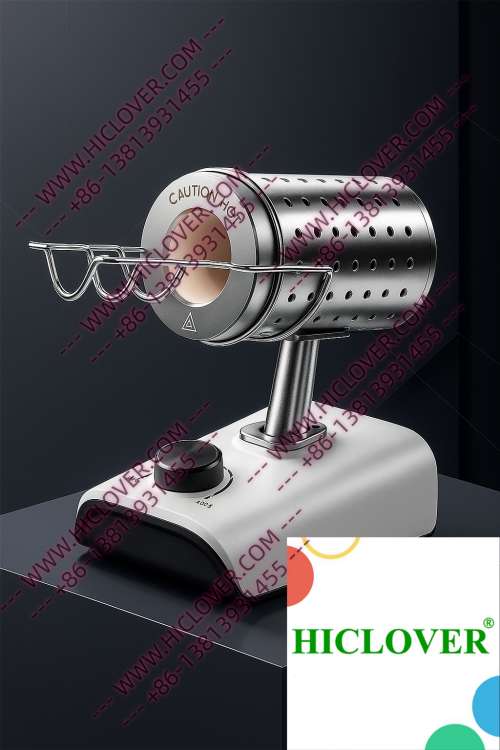
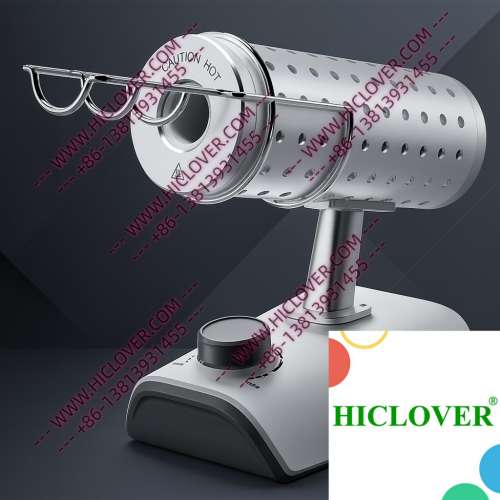
The Micro Incinerator operates using infrared heat, which allows for rapid thermal sterilization while minimizing the risk of contamination. The core design features an enclosed ceramic tube that focuses heat, enabling efficient disinfection of inoculating loops within seconds. This setup not only expedites the sterilization process but also enhances safety by eliminating open flames, making it ideal for cleanroom environments or labs with strict aerosol control measures.
Real Lab Applications: Maximizing Efficiency and Safety
- Biosafety Cabinet Use: In many university teaching labs and clinical diagnostics settings, the Micro Incinerator is employed within biosafety cabinets. This configuration provides an airtight workspace where researchers can confidently sterilize loops without jeopardizing sample integrity or exposing themselves to harmful pathogens.
- Field Testing Scenarios: For researchers conducting mobile or field testing, the lightweight and portable nature of the Infrared Inoculating Loop Sterilizer allows for quick sterilization in outdoor environments. This facilitates immediate sample collection without delays, ensuring integrity and reliability of field data.
Compliance and Environmental Considerations
Adhering to biosafety protocols is paramount in laboratory settings. The World Health Organization (WHO) outlines stringent biosafety measures that laboratories must comply with, particularly for handling pathogenic microorganisms. The advantages of using infrared sterilizers, such as the Micro Incinerator, lie in their compliance with these standards. Unlike flame sterilizers, which are prohibited in cleanroom scenarios, infrared technologies ensure adherence to laboratory sterilization standards while providing a clean, aerosol-free method of loop sterilization.
Moreover, using the Micro Incinerator contributes to a safer laboratory environment. By eliminating the open flame risks associated with traditional sterilizers, labs can maintain a higher level of safety for their personnel and experiments.
Comparison of Micro Incinerator with Traditional Flame Burners
| Features | Micro Incinerator | Flame Burners |
|---|---|---|
| Mode of Operation | Infrared heat sterilization | Open flame |
| Risk of Contamination | Minimal | High |
| Speed of Sterilization | Seconds | Varies |
| Safety in Cleanrooms | Yes | No |
| Portability | High | Low |
Best Practices for Using Micro Incinerators
To harness the full potential of Micro Incinerators in your laboratory, consider the following best practices:
- Pre-clean Your Loops: Before sterilizing, ensure that inoculating loops are free from any media residues or contaminants to maximize sterilization effectiveness.
- Set Correct Temperature: Adjust the device to the recommended temperature settings specific to the media being utilized.
- Maintain Safe Distances: Keep the inoculating loop at an appropriate distance from the ceramic tube to avoid thermal shock or damage to the loop.
- Use in Suitable Environments: Utilize the Micro Incinerator in biosafety cabinets or designated sterile areas to further minimize contamination risks.
- Regular Maintenance: Clean the ceramic tube periodically to eliminate deposits that could affect performance.
FAQs about Micro Incinerators
1. What is the primary advantage of using a Micro Incinerator over traditional flame methods?
The Micro Incinerator provides faster sterilization times, reduces contamination risks, and is more suited for cleanroom applications due to the absence of open flames.
2. Can the Micro Incinerator be used in field testing environments?
Yes, its lightweight and portable design makes it ideal for mobile applications in various field settings.
3. What safety precautions should be taken when using an Infrared Inoculating Loop Sterilizer?
Always ensure a safe distance from the heating element and use in appropriate environments, such as biosafety cabinets or designated clean areas.
4. How do I maintain my Micro Incinerator for optimal performance?
Regular cleaning of the ceramic tube and adhering to the manufacturer’s maintenance guidelines will ensure efficient operation and longevity of the device.
5. Are Micro Incinerators compliant with WHO biosafety standards?
Yes, they meet the WHOs stringent biosafety standards, making them suitable for laboratory environments handling pathogenic organisms.
Conclusion: Your Partner in Laboratory Safety and Efficiency
In summary, adopting the Micro Incinerator / Infrared Inoculating Loop Sterilizer can significantly enhance safety and efficiency in laboratory sterilization workflows. By minimizing contamination risks and adhering to compliance standards, researchers and lab technicians can focus on what matters most—scientific discovery. If you’re looking to upgrade your lab’s sterilization process, don’t hesitate to reach out for more information on how our premium products can fit your needs. Together, let’s elevate your research capabilities.
Categories:
Tags: