
In today’s increasingly complex laboratory environments, maintaining strict biosafety standards can be a formidable challenge. Laboratories, especially those operating under BSL-2 and BSL-3 conditions, must navigate intricate workflows that demand effective contamination control. Among the essential tools for achieving such standards are PCR room sterilizers, with a significant spotlight on Micro Incinerators and Infrared Inoculating Loop Sterilizers.
Understanding the Technology: Infrared Heat and Ceramic Heating Chambers
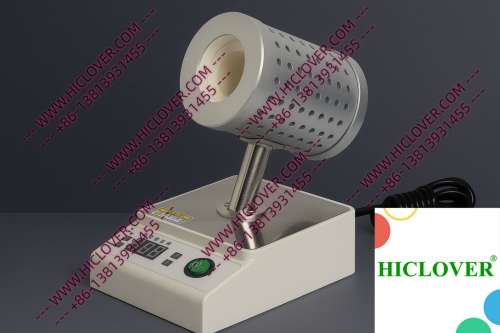
Micro Incinerators work on the principle of rapid thermal sterilization, employing infrared heat to achieve high temperatures necessary for disinfection. This technology uses an enclosed ceramic chamber that allows for uniform heating and maximizes thermal efficiency. The infrared system reaches temperatures significantly higher than traditional flame sterilizers, making it ideal for precise sterilization without the risks associated with open flames.
Unlike conventional methods such as alcohol lamps or Bunsen burners, where the flame can cause aerosols and cross-contamination, Micro Incinerators provide a clean-bench-safe environment. The infrared high-temperature disinfection mitigates the risks posed by combustible materials in laboratories, especially in sensitive areas like biosafety cabinets.
Application Scenarios in Real Labs
1. Biosafety Cabinet Usage
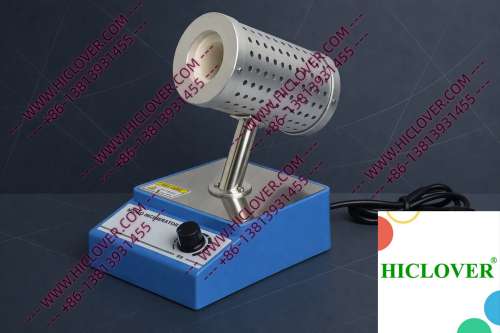
In BSL-2 and BSL-3 laboratories, the potential for contamination is substantial. Utilizing Micro Incinerators within biosafety cabinets ensures that sterilization occurs in a controlled environment. For instance, microbiologists often use these devices to sterilize inoculating loops before transferring microbial cultures. The compact design of the Micro Incinerator fits seamlessly in biosafety cabinets, eliminating risks of open flames compromising the sterile environment.
2. Field Testing Laboratories
Field testing scenarios, such as those conducted by environmental scientists or healthcare workers in remote areas, demand sterilization tools that are portable yet efficient. Infrared inoculating loop sterilizers provide a vital solution, enabling researchers to sterilize their tools while minimizing exposure to potential hazards. The lightweight and portable nature of these sterilizers makes them ideal for on-site testing, thus upholding safety protocols even outside the laboratory.
Compliance and Environmental Considerations
Adhering to global laboratory sterilization standards is paramount. The World Health Organization (WHO) emphasizes the necessity for effective sterilization methods, particularly where the risk of aerosol transmission is concerned. Micro Incinerators comply with these biosafety regulations by offering a flame-free solution that enhances safety and ensures that cleanroom environments remain uncontaminated.
Moreover, the use of a Micro Incinerator aligns with laboratory best practices as it eliminates the release of combustion byproducts into the laboratory atmosphere, ensuring a healthier work environment for laboratory personnel. This is particularly important in clean rooms where air quality and sterility are vital.
Advantages Over Traditional Flame Sterilizers
| Feature | Micro Incinerator | Flame Sterilizer |
|---|---|---|
| Heating Mechanism | Infrared-based | Open flame |
| Contamination Risk | Minimal | High |
| Temperature Control | Precision | Less control |
| Portability | Highly portable | Bulky |
| Safety | Enhanced | Risk of burns & fires |
Frequently Asked Questions
Q1: What makes Micro Incinerators safer than traditional flame sterilizers?
A1: Micro Incinerators utilize infrared heat for sterilization, minimizing the risk of burns and fires associated with open flames, thus providing a safer working environment.
Q2: Are Micro Incinerators appropriate for all types of laboratories?
A2: Yes, Micro Incinerators are suitable for various laboratory settings, including BSL-2 and BSL-3 labs, field testing environments, and teaching labs due to their compact size and efficacy.
Q3: How do I maintain my Micro Incinerator?
A3: Regular maintenance includes cleaning the ceramic chamber and ensuring that the heating elements are functioning correctly. Always refer to the manufacturer’s guidelines for specific instructions.
Q4: Can I use a Micro Incinerator in a clean room?
A4: Definitely! Micro Incinerators are designed to be clean-bench-safe, allowing for sterilization without compromising the sterile environment of clean rooms.
Q5: What are the best practices for using a Micro Incinerator?
A5: Best practices include following proper sterilization protocols, maintaining the device regularly, and using it within a biosafety cabinet when necessary to ensure maximum safety and effectiveness.
Conclusion
As laboratory demands for effective sterilization continue to escalate, Micro Incinerators and Infrared Inoculating Loop Sterilizers emerge as indispensable tools. Their advanced technology not only streamlines the sterilization workflow but also enhances laboratory safety and compliance adherence. If you’re seeking to upgrade your laboratory’s sterilization capabilities, consider the benefits of incorporating Micro Incinerators into your biosafety protocols. Contact us today to learn more about how these advanced sterilizers can meet your lab’s needs.
Categories:
Tags: