
Laboratory biosafety and the necessity for stringent sterilization processes are paramount in modern clinical microbiology labs. Contamination control in sensitive environments remains a pressing challenge as researchers and technicians confront varying sterilization workflow demands. Enter the new-generation Micro Incinerator / Infrared Inoculating Loop Sterilizer, which offers rapid thermal sterilization through advanced infrared technology. Take a closer look at how this innovative device is transforming laboratory settings and ensuring stringent compliance with evolving safety standards.
Technical Principles of the Micro Incinerator
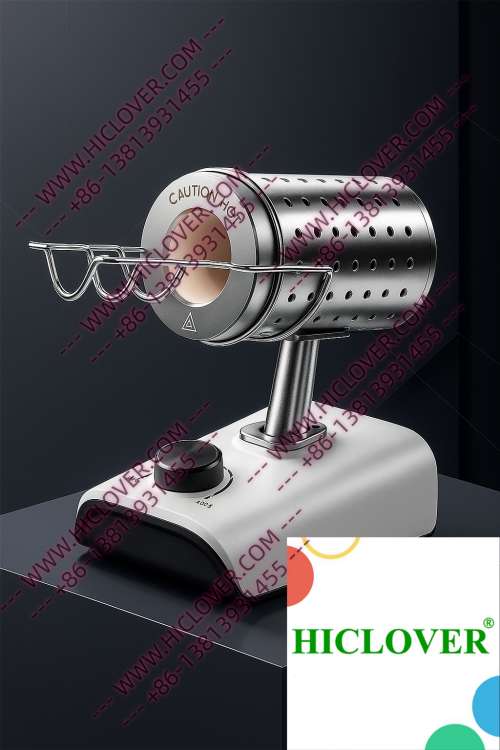
The Micro Incinerator distinguishes itself from traditional flame sterilizers through its use of infrared heat to provide efficient and effective disinfection. This device operates utilizing an enclosed ceramic heating chamber that generates high temperatures quickly, enabling rapid thermal sterilization of inoculating loops and other small instruments. The key features of this technology include:
- Infrared Heating: Guarantees quick and uniform heat distribution, minimizing the risk of overheating or damaging tools.
- Ceramic Tube Configuration: Ensures durability and longevity while also preventing heat loss.
- No Flame Operation: Promotes a safer working environment, particularly in biosafety cabinets and clean rooms.
- Aerosol-Free Handling: Reduces the chances of aerosol generation, thereby minimizing contamination risk during sterilization.
- WHO Biosafety Guidelines
- ISO 11135 for sterilization by ethylene oxide
- CDC recommendations for microbiological laboratories
- FDA regulations for laboratory equipment safety
-
What is a Micro Incinerator used for?
A Micro Incinerator is used for the sterilization of inoculating loops and small laboratory tools, effectively eliminating contamination risks in microbiological procedures.
-
How does infrared sterilization differ from traditional methods?
Infrared sterilization employs direct heat to achieve rapid thermal sterilization, which is faster and more consistent compared to varying heat levels from traditional flame sources.
-
Is the Micro Incinerator compliant with laboratory safety standards?
Yes, the Micro Incinerator adheres to WHO biosafety guidelines and contributes to compliance with essential safety protocols in laboratory settings.
-
Can the Micro Incinerator be used in field labs?
Absolutely! Its compact and portable design makes it suitable for use in field labs and mobile testing environments.
-
How does a Micro Incinerator enhance laboratory workflows?
By providing rapid thermal sterilization, the Micro Incinerator reduces waiting times between procedures, thereby improving overall efficiency in laboratory workflows.
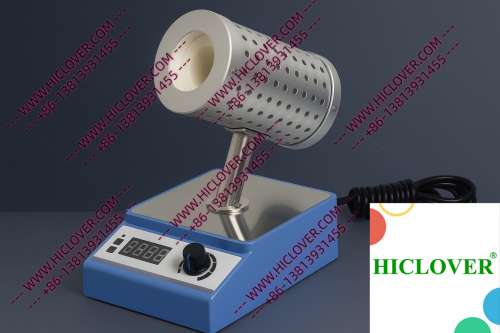
In contrast, traditional flame sterilizers, such as alcohol lamps and Bunsen burners, present risks such as unpredictable flame behavior and potential soot contamination. Switching to a Micro Incinerator provides a reliable and efficient alternative.
Application Scenarios in Clinical Labs
Scenario 1: Biosafety Cabinets in BSL-2 Labs
In BSL-2 microbiology labs, where pathogens pose moderate threats, maintaining sterile work environments is critical. The Micro Incinerator can be seamlessly integrated into biosafety cabinets, providing lab technicians a reliable means of sterilization without introducing the risks associated with flames. The device’s rapid heating capabilities allow for quick sterilization between samples, ensuring that workflows remain efficient and contamination is minimized. The compact design allows easy placement within standard cabinet specifications, enhancing both usability and safety.
Scenario 2: Teaching Labs in Universities
In university teaching labs, where students learn practical microbiological techniques, the Micro Incinerator serves as an educational tool and a sterilization solution. Its ease of use allows students to focus on learning fundamentals without the threat of accidental ignition or exposure to harmful flames. Instructors can emphasize biosafety and appropriate sterilization methods while engaging students in hands-on learning experiences. Furthermore, its portability allows for versatile setups, accommodating various instructional scenarios.
Compliance with Safety Standards
Employing state-of-the-art sterilization devices such as the Micro Incinerator aligns with global biosafety standards specified by organizations like the WHO. Laboratory sterilization standards necessitate that facilities minimize the use of open flames to enhance safety within clean rooms and controlled environments. Implementing this innovative sterilizer supports compliance with:
Distinct advantages of the Micro Incinerator’s design contribute to improved compliance with these standards, ensuring that laboratories can operate efficiently without compromising on safety.
Comparative Advantages: Micro Incinerator vs. Traditional Flame Sterilizers
| Feature | Micro Incinerator | Traditional Flame Sterilizers |
|---|---|---|
| Operation Mode | Infrared heat | Open flame |
| Safety | No risk of flames or soot | Flame hazards, soot contamination |
| Heat Distribution | Uniform | Varies, can be uneven |
| Portability | Compact and lightweight | Bulky, less versatile |
| Speed of Sterilization | Rapid | Variable, slower in comparison |
FAQs
Conclusion
The Micro Incinerator / Infrared Inoculating Loop Sterilizer is a game-changer for clinical microbiology and laboratory settings, offering superior safety, efficiency, and compliance with international sterilization standards. As laboratories increasingly shift towards advanced sterilization solutions, investing in such innovative equipment is essential for improved contamination control and work efficiency. For further inquiries or to make a purchase, please reach out to us today and explore how you can elevate your laboratory sterilization protocols.
Categories:
Tags: