
Laboratories face a myriad of biosafety challenges, particularly when it comes to effectively managing contamination and sterilizing equipment. The efficient sterilization of inoculating loops and other tools is a critical aspect of laboratory workflow, especially in high-stakes environments like BSL-2 and BSL-3 microbiology labs. In this context, traditional flame sterilizers, such as alcohol lamps and Bunsen burners, often fall short, leading to an increasing focus on advanced solutions like the Micro Incinerator / Infrared Inoculating Loop Sterilizer.
Understanding the Technical Principles
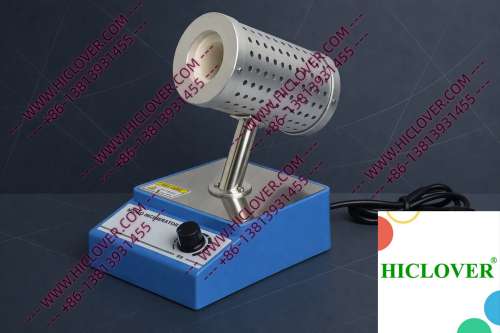
The Micro Incinerator operates primarily on the principle of rapid thermal sterilization through infrared heat. Unlike traditional flame-based systems, which can introduce unwanted contamination and pose safety risks, the Micro Incinerator uses an enclosed ceramic tube that produces consistent, high-temperature disinfection without flame. This innovative design not only minimizes aerosol generation but also enhances the operational safety of laboratories.
Infrared technology offers immediate heat transfer, allowing for almost instantaneous sterilization of inoculating loops. Upon contact, the loop becomes spotless, effectively eliminating any residual microbial presence. Moreover, the enclosed heating chamber is designed for clean-bench-safe operation, making it an ideal choice for environments where contamination control is paramount.
Applications in Real Laboratory Settings
Micro Incinerators have proven their worth in diverse laboratory settings. Here are two noteworthy application scenarios:
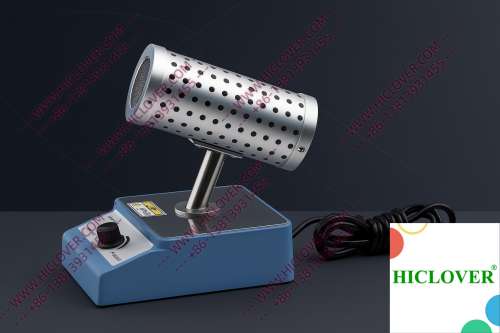
1. Biosafety Cabinets
Within the confines of a biosafety cabinet, where sterility is crucial, the Micro Incinerator allows microbiologists to efficiently sterilize their tools without cluttering the workspace with flame-based devices. By providing a controlled environment for immediate sterilization, these devices significantly reduce the risk of sample contamination during critical experiments.
2. Field Testing Laboratories
Field testing labs often operate in less-than-ideal environments, presenting unique challenges for containment and sterilization. The portability of a Micro Incinerator allows field teams to maintain strict sterilization protocols for their inoculating loops and other instruments, even in remote locations. This capability is essential for ensuring the integrity of samples collected in the field, aiding vital research initiatives.
Compliance and Environmental Considerations
Adhering to established biosafety standards is crucial for laboratories aiming to mitigate risk. The World Health Organization (WHO) stipulates stringent standards for laboratory sterilization processes, particularly in clinical diagnostics and teaching labs. The Micro Incinerator aligns well with these standards due to its efficiency and low emission of harmful substances, making it a suitable option for cleanroom environments where the use of flame is prohibited.
Furthermore, the shift toward using biosecure loop incineration systems has significant implications for environmental sustainability. By minimizing the use of hazardous materials, and eliminating open flames, labs can significantly reduce their environmental footprint while maintaining compliance with the latest sterilization standards.
Advantages of Micro Incinerators Over Traditional Flame Sterilizers
- Enhanced Safety: No open flames mean significantly reduced fire hazards.
- Contamination Control: The enclosed ceramic tube prevents aerosol dispersal of contaminants.
- Efficiency: Immediate high-temperature disinfection minimizes wait time between sterilizations.
- Portable Design: Easily transportable for field testing and laboratories with limited space.
Comparative Analysis: Micro Incinerator vs. Flame Burners
| Feature | Micro Incinerator | Flame Sterilizer |
|---|---|---|
| Safety | No open flame, reduced risk of fires | Open flame, risk of fire hazards |
| Efficiency | Rapid thermal sterilization | Time-consuming, longer heat up times |
| Contamination Control | Aerosol-free handling | Potential contamination from flame smoke |
| Portability | Compact, suitable for field use | Less portable, requires stable surfaces |
FAQs
- What are the key benefits of using a Micro Incinerator in my laboratory?
The key benefits include enhanced safety due to the absence of open flames, quick sterilization times, and the ability to operate in a controlled clean-bench environment. - Is the Micro Incinerator compliant with WHO sterilization standards?
Yes, the Micro Incinerator meets the WHO biosafety and sterilization standards, making it ideal for clinical and teaching labs. - Can the Micro Incinerator be used in field testing scenarios?
Absolutely! Its portable design makes it well-suited for use in remote locations.
Conclusion
As laboratories continue to grapple with the challenges of contamination control and adherence to high biosafety standards, adopting innovative solutions like the Micro Incinerator / Infrared Inoculating Loop Sterilizer is essential. By moving beyond traditional combustion methods, laboratories can enhance their sterilization workflows while contributing to a safer and more sustainable practice. For more information on how to incorporate this advanced sterilization technology into your lab, feel free to reach out to us today!
Categories:
Tags: