
As laboratories continually strive for enhanced biosafety and operational efficiency, the demand for effective sterilization solutions has never been higher. Traditional flame sterilizers, such as alcohol lamps and Bunsen burners, have served their purpose, but the advent of modern sterilization technologies like the Micro Incinerator / Infrared Inoculating Loop Sterilizer (ILS) is revolutionizing laboratory workflows. These advanced sterilizers address the challenges of contamination control and provide remarkable performance in diverse settings, including BSL-2 and BSL-3 laboratories, clinical diagnostics, and educational environments.
Technical Principles of Infrared Sterilization
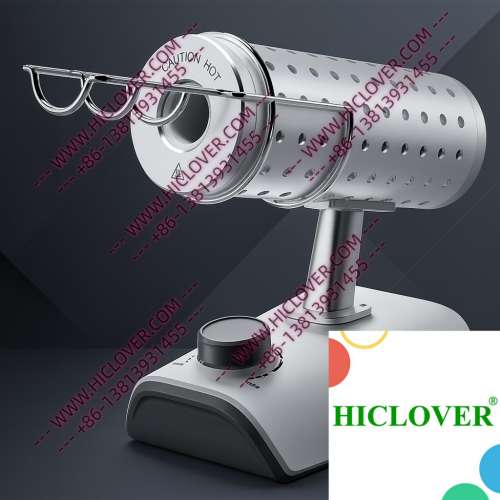
The Micro Incinerator utilizes rapid thermal sterilization to efficiently eliminate pathogens and contaminants from inoculating loops and other instruments. The unique configuration features an enclosed ceramic heating chamber that efficiently radiates infrared heat, allowing for high-temperature disinfection without the risk associated with open flames. By generating temperatures up to 1000°C, the sterilizer ensures quick and effective sterilization, significantly reducing the time required compared to traditional flame methods.
This enclosed system minimizes aerosol release, making it especially suitable for sensitive environments such as clean rooms or biosafety cabinets, where maintaining sterility is paramount. The absence of flames also enhances safety, reducing the risk of fire hazards, and it allows for smoother workflows by enabling easy, clean-bench-safe handling.
Application Scenarios in Real Labs
1. BSL-2 and BSL-3 Laboratories
In BSL-2 and BSL-3 laboratories where handling of pathogenic microorganisms is routine, the Micro Incinerator is invaluable. For example, during routine culturing of pathogenic bacteria, researchers can rapidly sterilize their inoculating loops without having to worry about open flames contaminating their workspace or creating aerosols. The infrared technology provides a reliable and sterile method to transfer cultures, enhancing both safety and efficiency.
2. Teaching Laboratories
In educational settings, the Micro Incinerator proves to be an essential tool. University teaching labs often have diverse student populations, and introducing students to safe sterilization practices is critical. The user-friendly design and quick operational times allow students to focus on their experiments without prolonged waits for equipment to cool or worries about burns from open flames. This fosters a more engaging and hands-on learning experience while upholding strict compliance with biosafety regulations.
Compliance and Environmental Considerations
With increasing scrutiny regarding laboratory safety protocols, compliance with international standards has become crucial. The World Health Organization (WHO) emphasizes the importance of effective sterilization techniques to minimize infection risks, particularly in clinical and research settings. The Micro Incinerator supports adherence to ISO and ASTM sterilization standards by providing a reliable means of disinfection without the combustion residues associated with flame-based systems.
The Micro Incinerator is particularly suited for clean room environments where flame sterilizers would pose a contamination risk. Its encapsulated design and absence of flames align perfectly with strict cleanroom requirements, ensuring that microbiological testing and sample preparation can proceed without compromise in contamination prevention.
Advantages Over Traditional Flame Sterilizers
When considering sterilization methods, the advantages of the Micro Incinerator over conventional flame sterilizers are clear:
- Rapid Sterilization: Achieves high temperatures within seconds, allowing for immediate use.
- Aerosol-Free Handling: Eliminates the risk of releasing infectious aerosols, crucial for biosafety.
- Clean-Bench Safe: Designed for integration into cleanrooms and biosafety cabinets.
- Consistent Performance: Infrared sterilization ensures uniform heat distribution without cold spots.
- Reduced Fire Hazard: No open flames minimize fire risks in sensitive laboratory environments.
Micro Incinerator vs. Flame Sterilizers Comparison Table
| Feature | Micro Incinerator | Flame Sterilizer |
|---|---|---|
| Sterilization Time | Seconds | Minutes |
| Temperature Control | Up to 1000°C | Variable |
| Aerosol Emission | None | High |
| Cleanroom Compatibility | Yes | No |
| Safety Risks | Minimized | High |
FAQs About Micro Incinerators
1. How does a Micro Incinerator ensure effective sterilization?
The Micro Incinerator uses infrared heat to rapidly elevate the temperature of the sterilization chamber, achieving consistent high temperatures that effectively kill microorganisms in seconds.
2. Can the Micro Incinerator be used in a cleanroom environment?
Yes, its enclosed design and the absence of open flames make it an ideal choice for cleanroom applications where contamination control is crucial.
3. What are the maintenance requirements for a Micro Incinerator?
Maintenance is relatively low-maintenance, focusing primarily on keeping the heating chamber clean and periodically checking electrical components for optimal functioning.
4. Is the Micro Incinerator suitable for field testing?
Absolutely. Its portable nature and efficient operation make it ideal for mobile labs conducting field tests, where immediate sterilization is required.
5. How does the Micro Incinerator compare in cost to traditional flame sterilizers?
While the initial investment may be higher, its efficiency, safety, and compliance with biosafety standards often lead to long-term cost savings through reduced downtime and minimal fire risk.
Conclusion
Adopting a Micro Incinerator / Infrared Inoculating Loop Sterilizer is a step beyond traditional methods, setting a new standard in laboratory sterilization. Its advanced technology not only enhances safety and efficiency but also aligns with strict biosafety regulations, making it an indispensable tool in modern laboratories. Interested in upgrading your laboratory sterilization methods? Contact us today to explore our range of advanced sterilization solutions tailored for your unique operating environment.
Categories:
Tags: