
In the fast-paced world of laboratory research, biosafety and effective sterilization techniques are paramount. Laboratories face numerous challenges such as contamination control, rapid thermal sterilization, and compliance with stringent safety standards. Particularly in BSL-2 and BSL-3 settings, the need for efficient, portable sterilization solutions is essential. This is where the Micro Incinerator / Infrared Inoculating Loop Sterilizer comes into play, providing an advanced alternative to traditional flame sterilizers such as alcohol lamps and Bunsen burners.
Understanding the Micro Incinerator’s Operating Principle
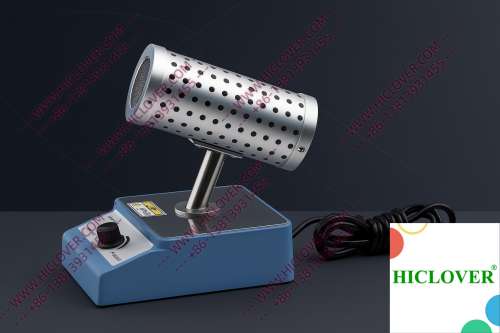
The Micro Incinerator utilizes infrared heat technology for high-temperature disinfection. Its unique configuration features an enclosed ceramic heating chamber that reaches temperatures exceeding 800°C (1472°F) within seconds. The rapid heating capabilities of this device ensure complete sterilization of inoculating loops and other instruments without the risks associated with open flames, such as aerosol generation and cross-contamination.
With a user-friendly design, this sterilizer not only promotes a clean and safe working environment but is also compatible with various laboratory settings, from teaching labs to field testing environments.
Applications of Infrared Inoculating Loop Sterilizers
The versatility of Infrared Inoculating Loop Sterilizers makes them applicable in multiple laboratory scenarios. Here are two key application scenarios:
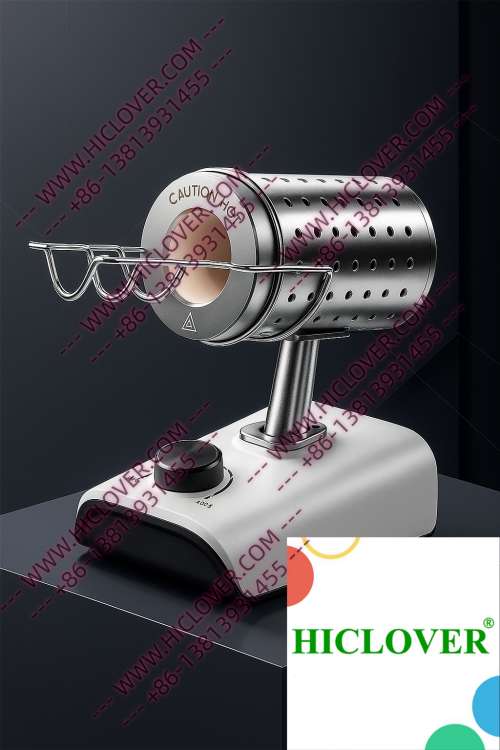
- Biosafety Cabinet Operations: In BSL-2 and BSL-3 microbiology labs, maintaining a sterile environment is crucial. The Micro Incinerator fits perfectly within a biosafety cabinet, providing a clean-bench-safe method for sterilizing inoculating loops before and after handling cultures. By eliminating flames, the sterilizer reduces the risk of igniting volatile substances and helps avoid unnecessary aerosols. This design simplifies the sterilization workflow, making it efficient for daily tasks.
- Field Testing in Clinical Diagnostics: In mobile or field testing labs, the need for reliable sterilization techniques can be a challenge. The Micro Incinerator’s portability and rapid sterilization capabilities allow field technicians to maintain stringent contamination control while performing essential diagnostics in various environments, such as remote health camps. This ensures accurate testing results and enhances patient safety.
Compliance and Environmental Considerations
Adhering to biosafety standards set by organizations such as the World Health Organization (WHO) is crucial for laboratory operations. Micro Incinerators fulfill compliance criteria by eliminating the need for flames in cleanroom operations and promoting safer handling of infectious materials. Traditional flame sterilizers pose numerous risks, including:
- Aerosol generation that can lead to pathogen spread
- Fire hazards in controlled laboratory environments
- Difficulty in maintaining a clean workspace
In contrast, the resulting cleanliness from infrared sterilization aligns with best practices in laboratory sterilization standards, ensuring a safe environment for both researchers and patients.
Comparative Analysis: Micro Incinerator vs. Flame Burners
Feature Micro Incinerator Flame Burners
Heat Source Infrared Open Flame
Temperature Control Rapid, precise Variable, less controlled
Safety Low aerosol generation; reduced fire hazard High risk of aerosols and fire
Ease of Use Simple one-button operation Requires skill to maintain flame
Educating and Training with Modern Sterilization Techniques
In university teaching labs, equipping students with knowledge of modern sterilization techniques is essential. The Micro Incinerator not only provides a safe and efficient means of sterilizing equipment but also serves an educational purpose by demonstrating advanced sterilization principles in practice. Instructors can teach students about the importance of contamination control, rapid thermal sterilization, and safe lab practices in a hands-on environment.
Frequently Asked Questions
1. What materials can be sterilized using the Micro Incinerator?
The Micro Incinerator is designed to effectively sterilize inoculating loops, needles, scalpel blades, and other metal laboratory instruments.
2. How does the Micro Incinerator enhance laboratory biosafety?
By eliminating flames and utilizing infrared heat, the Micro Incinerator reduces risks associated with aerosol generation, enhancing safety during sterilization workflows.
3. Is the Micro Incinerator suitable for fieldwork?
Yes, the portability and rapid sterilization capabilities of the Micro Incinerator make it ideal for field testing in clinical diagnostics and other remote applications.
4. How long does it take for the Micro Incinerator to reach sterilization temperatures?
The Micro Incinerator achieves sterilization temperatures of over 800°C within seconds, providing immediate readiness for use.
5. What maintenance is required for the Micro Incinerator?
Regular cleaning of the ceramic heating chamber is necessary to ensure optimal performance; following the manufacturer’s instructions for maintenance is recommended.
Conclusion
As laboratories increasingly seek effective and safe sterilization alternatives, the Micro Incinerator / Infrared Inoculating Loop Sterilizer stands out as a revolutionizing tool in the fight against contamination. Its capabilities streamline sterilization workflows, enhance biosafety, and comply with international standards. For laboratories looking to augment their sterilization practices, investing in a Micro Incinerator is not just an upgrade but a necessary step towards a safer working environment. Contact us today to learn more or to request a quote!
Categories:
Tags: