
Laboratories face a persistent challenge when it comes to biosafety and sterilization. Contaminants can jeopardize research integrity, leading to faulty results, compromised samples, and even harmful biological outcomes. As the demand for effective sterilization equipment increases, scientists are turning toward innovative solutions such as Micro Incinerators and Infrared Inoculating Loop Sterilizers. These modern devices stand out in the crowded market for their enhanced operational capabilities and safety features.
The Principles of Infrared Sterilization
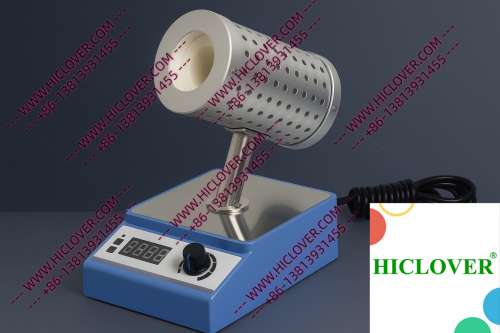
Infrared sterilization leverages the power of rapid thermal sterilization. When a sterilizing loop is inserted into an enclosed ceramic tube, infrared heat is generated, reaching high temperatures in seconds. This method significantly reduces the time taken for sterilization compared to traditional flame sterilizers like alcohol lamps and Bunsen burners.
Using infrared technology, the Micro Incinerator provides an efficient means of disinfecting inoculating loops while ensuring aerosol-free handling. This is particularly valuable in maintaining a sterile work environment, especially in laboratory settings that require stringent contamination control. Unlike traditional ignition methods, which can produce smoke and particulate matter, the Micro Incinerator minimizes the risk of contamination during sterilization processes.
Applications of Infrared Sterilization
1. University Teaching Labs
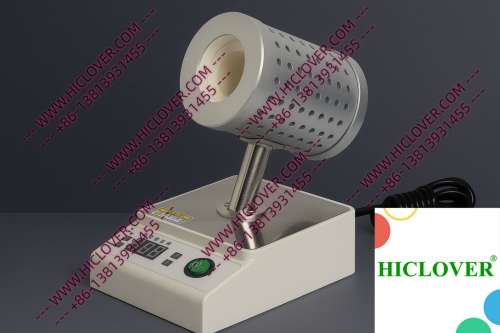
In university laboratories, students often deal with various microbial cultures, necessitating a reliable sterilization method. The Micro Incinerator offers an ideal solution by facilitating quick sterilization of inoculating loops. As students rotate through different cultures, the device ensures no cross-contamination occurs, maintaining the integrity of samples.
2. BSL-2/BSL-3 Microbiology Labs
In higher containment laboratories, like BSL-2 and BSL-3 setups, traditional flame-based sterilizers pose a greater risk. Here, the enclosed design of the Micro Incinerator not only protects laboratory personnel from exposure but also conforms to the stringent protocols that govern safe laboratory practices. The rapid cycle of sterilization allows researchers to maintain workflow without compromising safety or compliance.
Compliance and Environmental Considerations
Meeting WHO biosafety standards and laboratory sterilization guidelines is critical for research institutions. With a growing emphasis on environmental sustainability, using infrared devices eliminates the need for potentially hazardous materials, while adhering to paved protocols in clean rooms. No flames mean reduced debris and less thermal stress on sensitive equipment.
Moreover, laboratories are increasingly transitioning to clean-bench-safe environments where the use of open flames is restricted. Such regulations highlight the importance of adopting advanced sterilization technologies like the Micro Incinerator that align with compliance requirements without sacrificing performance.
Comparison of Micro Incinerator vs. Flame Burners
| Feature | Micro Incinerator | Flame Burners |
|---|---|---|
| Sterilization Speed | Rapid (<30 seconds) | Slow (2-5 minutes) |
| Aerosol Production | None | High |
| Compliance with Clean Room Standards | Yes | No |
| Operational Safety | High | Moderate |
| Maintenance | Low | Medium to High |
FAQs
- What are the main benefits of using a Micro Incinerator over a flame sterilizer?
The Micro Incinerator offers rapid sterilization, enhanced safety, and minimal aerosol production, making it more efficient and compliant for sterile environments. - Can a Micro Incinerator be used in BSL-2 labs?
Absolutely! It is designed to meet the safety and operational standards necessary for BSL-2 and BSL-3 microbiological practices. - How long does it take to sterilize an inoculating loop?
The Micro Incinerator requires less than 30 seconds to achieve effective sterilization. - Is the Micro Incinerator suitable for field testing?
Yes, its portable design allows for practical use in mobile and remote laboratory settings. - What maintenance does a Micro Incinerator require?
Minimal maintenance is needed due to its efficient design, primarily involving cleaning the ceramic heating elements to ensure optimal performance.
Conclusion
In an era where laboratory safety and reliability are paramount, exploring advanced sterilization methods, such as the Micro Incinerator, is essential. Its unique capabilities not only overcome the limitations of traditional methods but also align with modern regulatory demands. Whether you are a distributor, hospital, or research institution looking to enhance your sterilization workflows, investing in these innovative devices can make all the difference. Feel free to reach out for more information or to explore purchasing options today!
Categories:
Tags: