
In laboratories worldwide, particularly those engaged in microbiology and biotechnology, ensuring rigorous biosafety is paramount. With rising complexities in sterilization workflows, researchers face unique challenges. Traditional methods like alcohol lamps and Bunsen burners can create hazardous environments, increasing contamination risk and complicating compliance with stringent safety regulations. This is where flameless sterilizers, notably the Micro Incinerator or Infrared Inoculating Loop Sterilizer, come into play, offering superior safety and efficiency.
Understanding Infrared Technology and Design Features
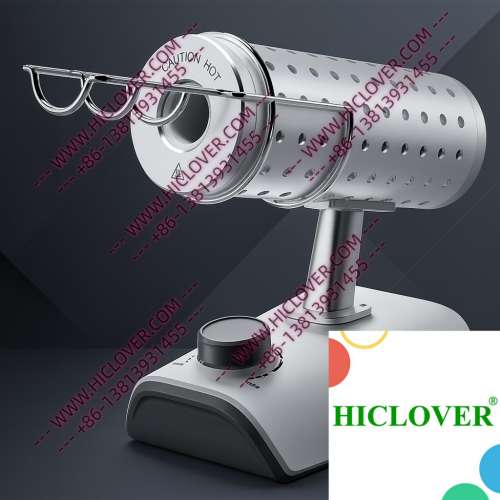
The Micro Incinerator employs advanced infrared heating technology, utilizing an enclosed ceramic tube. This configuration allows for rapid thermal sterilization of inoculating loops, needles, and other laboratory instruments without the dangers posed by open flames. The ability to reach high temperatures almost instantaneously is crucial in adhering to contamination control protocols while minimizing risk.
- Rapid Thermal Sterilization: Achieves temperatures exceeding 800°C in seconds.
- Contamination Control: Limited aerosol generation eliminates cross-contamination risks.
- Clean-Bench-Safe: Operates efficiently in environments like biosafety cabinets.
- Compact Design: Portable and easy to use in various settings, including field labs.
- CO₂ Incubator Operations
- Anaerobic Chambers
- What are the benefits of using a Micro Incinerator in university teaching labs?
It enhances safety during experiments, meets compliance standards effortlessly, and improves sterilization speed, optimizing learning experiences.
- How does the infrared technology work?
Infrared heat rapidly raises the temperature of the ceramic heating element, providing quick and efficient sterilization without the risks associated with flames.
- Can the Micro Incinerator be used in outdoor settings?
Yes, its portable design makes it ideal for field-testing environments, ensuring lab-grade sterilization wherever needed.
- Is it compliant with WHO safety standards?
Absolutely. The Micro Incinerator conforms to various safety and sterility standards, making it suitable for regulated environments.
- What maintenance does the device require?
Routine cleaning and regular checks on the heating elements ensure optimal performance and longevity.
Practical Applications in Diverse Laboratory Settings
The versatility of the Micro Incinerator is showcased in various lab scenarios:
1. Biosafety Cabinets
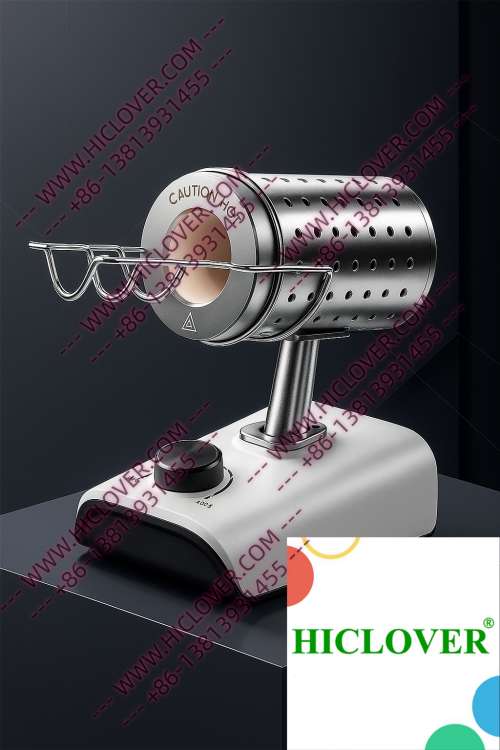
In BSL-2 and BSL-3 microbiology labs, using traditional flame-based sterilizers poses risks of ignition and contamination. The Infrared Inoculating Loop Sterilizer, designed for use within biosafety cabinets, provides an effective heated surface that minimizes aerosol production. Researchers can operate the device with a clear view of their samples, ensuring efficient sterilization without compromising biosafety protocols.
2. Field Testing Laboratories
Field laboratories often lack the infrastructure to support traditional flame-based sterilization. Here, the Micro Incinerator shines as an invaluable asset. Its portability and operational efficiency allow researchers engaged in environmental monitoring and mobile diagnostics the ability to perform on-site sterilizations safely. This is particularly important in remote areas where the risk of contamination can severely impact testing accuracy.
Biosafety Compliance and Environmental Considerations
With increasing scrutiny over laboratory safety practices, the use of flameless sterilizers aligns well with WHO biosafety guidelines and laboratory sterilization standards. Adopting devices like the Micro Incinerator is not just an operational improvement; it’s an essential step towards ensuring compliance in clean rooms and sensitive laboratories.
Flameless sterilizers avoid using open flames, making them ideal for clean environments, such as:
A lab using a Micro Incinerator can assure regulators of a safer environment, minimizing the risk of fire or explosion, while also promoting the efficacy of their sterilization procedures.
Advantages Over Traditional Flame Sterilizers
When it comes to comparing the Micro Incinerator to traditional options like alcohol lamps and Bunsen burners, the advantages are clear:
| Feature | Micro Incinerator | Flame Burners |
|---|---|---|
| Heat Generation | Infrared heating, rapid response | Open flame, slower response |
| Sterilization Efficiency | High-temperature disinfection, no coolant required | Dependent on flame size and placement |
| Safety | Flameless, reduced fire risk | Open flame hazards |
| Aerosol Production | Minimal | High potential |
| Portability | Lightweight and compact | Bulky and less versatile |
Frequently Asked Questions
Conclusion
Shifting towards flameless sterilization technologies like the Micro Incinerator provides clear advantages in safety, efficacy, and compliance. Laboratories can mitigate risks associated with traditional flame methods while enhancing their overall sterilization workflow. As you consider updating your lab’s sterilization practices, don’t hesitate to reach out for more information about how the Micro Incinerator can elevate your laboratory’s standards.
Categories:
Tags: