
In today’s rapidly evolving laboratory environment, the need for effective sterilization is more critical than ever. Laboratories face numerous biosafety challenges, from contamination control to adhering to strict sterilization workflows. Traditional sterilization methods, including Bunsen burners and alcohol lamps, often fall short in meeting modern standards for efficiency and safety. This is where spore destruction sterilizers, such as the Micro Incinerator or Infrared Inoculating Loop Sterilizer, come into play, revolutionizing the way laboratories approach infection prevention.
Understanding the Technical Principles
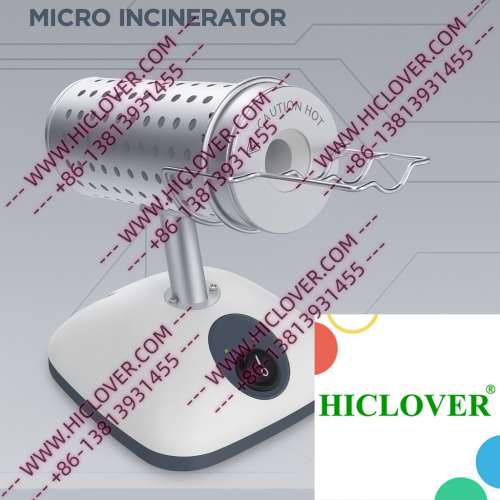
The Micro Incinerator leverages advanced infrared heat technology to achieve rapid thermal sterilization. By employing an enclosed ceramic tube, it allows for consistent heating, ensuring that sterilization occurs without the environmental hazards associated with open flames. This design minimizes the risk of aerosols, making it ideal for use in sensitive laboratory environments such as BSL-2 and BSL-3 laboratories.
The ceramic heating chamber significantly enhances the sterilizer’s efficacy. It can reach high temperatures in a matter of seconds, effectively destroying spores and pathogens present on inoculating loops, needles, and other lab equipment. Unlike traditional flame methods, which can lead to inconsistent heating and potential contamination, the Micro Incinerator provides a clean-bench-safe solution for researchers and technicians.
Applications in Real Labs
Let’s explore two different application scenarios that highlight the utility of Micro Incinerators in real-world laboratory settings.
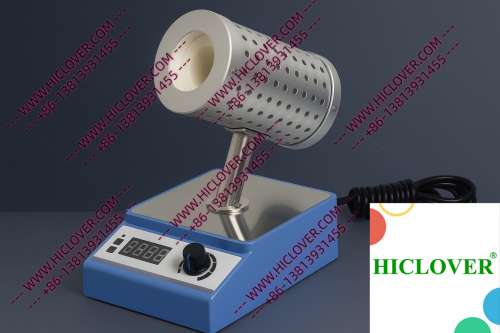
- Biosafety Cabinets: Within biosafety cabinets, effective sterilization helps prevent cross-contamination. The Micro Incinerator, operating with infrared sterilization, provides a sterile environment free from aerosols generated by flames. This enhances workflow efficiency and allows microbiologists to focus on their experiments instead of worrying about sterility.
- Field Testing Labs: In mobile or field testing laboratories, researchers often encounter challenges related to sterilization. The portability and quick operation of the Micro Incinerator make it an ideal tool for on-site sterilization. Its flame-free technology ensures that samples can be processed safely without the risk of fire hazards, which is crucial in field settings.
Compliance and Environmental Considerations
Adhering to global biosafety standards is paramount for any laboratory. The World Health Organization (WHO) outlines specific guidelines for laboratory safety, including the necessity for safe sterilization practices that do not compromise air quality. The Micro Incinerator aligns with these standards by eliminating the use of open flames, thereby ensuring compliance within clean rooms and specialized environments, such as clinical diagnostics and university teaching labs.
When comparing the Micro Incinerator to traditional flame sterilizers, it is evident that the latter can produce potentially hazardous aerosols. Regulatory compliance often requires stringent controls to be in place to prevent contamination, making infrared sterilization not only a safer option but also a more environmentally friendly choice.
Comparison: Micro Incinerator vs. Traditional Flame Burners
| Feature | Micro Incinerator | Traditional Flame Burners |
|---|---|---|
| Heat Source | Infrared | Open Flame |
| Speed of Sterilization | Rapid | Variable |
| Aerosol Production | None | High |
| Operational Safety | High | Medium |
| Portability | High | Low |
Frequently Asked Questions
- How does the Micro Incinerator ensure complete sterilization? It utilizes infrared heating to rapidly destroy bacteria, fungi, and spores, providing thorough and efficient sterilization without the risks of open flames.
- Can the Micro Incinerator be used in all laboratory settings? Yes, it is suitable for applications in BSL-2 and BSL-3 labs, field testing environments, and educational institutions due to its enclosed design and rapid sterilization capabilities.
- What makes infrared sterilization better than traditional methods? Infrared sterilization offers consistent heating, reduces contamination risk, and is environmentally friendly as it eliminates aerosol production.
- Is equipment calibration needed for the Micro Incinerator? Routine maintenance and calibration are recommended to ensure optimal performance and adherence to safety standards.
- How can I purchase a Micro Incinerator for my lab? Contact your local laboratory supply distributor or visit online suppliers that specialize in advanced laboratory sterilization equipment.
Conclusion
The transition to advanced sterilization technology, such as the Micro Incinerator, signifies a pivotal step in enhancing infection prevention in laboratories. Its advantages over traditional flame sterilizers make it an invaluable addition not just for compliance but also for improving safety, efficiency, and workflow. If you’re ready to elevate your laboratory’s sterilization practices, explore options for integrating the Micro Incinerator into your operations today—because your research deserves the best standards in safety and efficacy.
Categories:
Tags: