
In the fast-paced world of laboratory research, the threat of contamination poses a significant challenge. Research settings, from BSL-2 to BSL-3 labs, require the highest levels of biosafety to ensure that results are not compromised and that workers are safeguarded from potential hazards. One of the effective solutions for ensuring cleanliness in these environments is the use of advanced sterilization equipment, such as Micro Incinerators or Infrared Inoculating Loop Sterilizers. This article delves into the technical aspects, practical applications, and regulatory compliance relating to these essential devices.
Understanding the Technical Principles
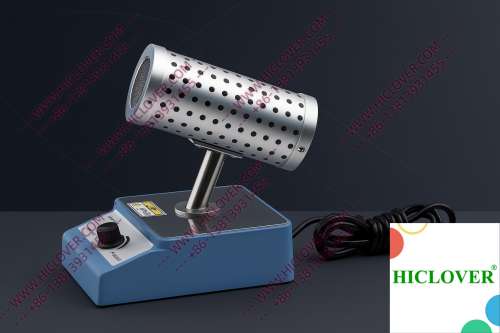
Micro Incinerators utilize innovative infrared heat technology to achieve rapid thermal sterilization. The enclosed ceramic heating chamber delivers high-temperature disinfection quickly and efficiently. Unlike traditional flame sterilizers like alcohol lamps or Bunsen burners, the infrared method ensures an aerosol-free handling of instruments, reducing the risk of contamination. The predictable heating pattern allows lab personnel to standardize sterilization processes, resulting in reproducible and reliable outcomes.
- Rapid thermal sterilization: Achieves sterilization in seconds.
- Contamination control: Minimizes the risk of environmental exposure.
- Ceramic heating chamber: Provides uniform heating and enhanced durability.
- Clean-bench-safe: Ensures safety and compliance in sterile environments.
Application Scenarios in Real Labs
Biosafety Cabinets
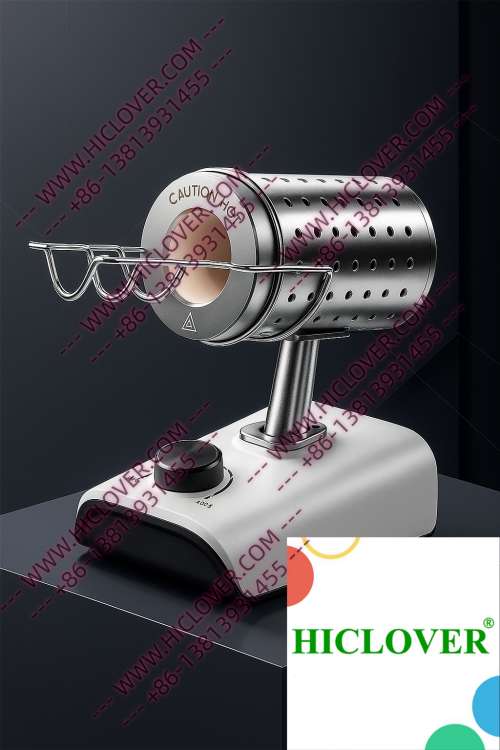
In BSL-2 microbiology labs, maintaining a sterile workspace is critical. Researchers frequently use a Micro Incinerator within biosafety cabinets to sterilize inoculating loops, needles, and other tools without the risks associated with open flames. The ease of operation allows for quick turnarounds between experiments, ensuring that workflow efficiency is maximized while upholding the utmost hygiene standards.
Mobile and Field Testing Labs
Field testing presents unique challenges, primarily regarding accessibility and environmental factors. Micro Incinerators provide a portable solution for sterilization needs during field investigations. Laboratories conducting mobile tests on clinical diagnostics can utilize this equipment on-site to eliminate pathogens effectively. The compact design allows for easy transportation and rapid deployment in remote locations, bolstering results even in challenging conditions.
Compliance and Environmental Considerations
Adhering to worldwide standards for laboratory sterilization is a paramount concern. Organizations such as the World Health Organization (WHO) and the Centers for Disease Control and Prevention (CDC) have established stringent biosafety protocols that must be met, particularly in BSL-2 and BSL-3 environments.
Moreover, lab sterilization standards often dictate that open flames should be avoided within clean rooms and biosafety cabinets due to the potential for contamination and unpredictable fire hazards. The Micro Incinerator stands out by offering an efficient alternative that aligns with these compliance requirements while providing enhanced safety for laboratory personnel and preserving the integrity of research materials.
Advantages Over Traditional Flame Sterilizers
| Feature | Micro Incinerator | Flame Sterilizers (e.g., Bunsen Burner) |
|---|---|---|
| Heating Method | Infrared | Open Flame |
| Aerosol Control | Yes | No |
| Portability | High | Low |
| Safety in Work Environment | Higher | Lower (Fire hazard) |
| Sterilization Time | Seconds | Variable |
Frequently Asked Questions (FAQs)
Q1: How does the Micro Incinerator achieve effective sterilization?
A1: The Micro Incinerator utilizes infrared technology that rapidly heats instruments to achieve effective thermal sterilization in seconds.
Q2: Can Micro Incinerators be used in field labs?
A2: Yes, their compact design and portability make them ideal for field testing labs aiming for on-site sterilization of tools and samples.
Q3: How does the use of Micro Incinerators comply with safety regulations?
A3: Micro Incinerators eliminate the need for open flames in sterile environments, adhering to WHO and CDC biosafety protocols for minimal contamination risk.
Q4: What benefits increase workflow efficiency in labs with Micro Incinerators?
A4: The rapid sterilization process reduces downtime, allowing researchers to quickly prepare tools and maintain an uninterrupted workflow.
Q5: Are there any specific maintenance needs for the Micro Incinerator?
A5: Regular cleaning and checking of the ceramic heating element ensure optimal performance and longevity of the device.
Conclusion
In conclusion, adopting Bio-Safety Cabinet Sterilizers, specifically Micro Incinerators, represents a significant step toward improving sterilization efficiency and ensuring safety in various laboratory environments. These devices offer a modern solution to traditional sterilization challenges, complying with stringent biosafety regulations while effectively safeguarding research integrity and worker safety.
If you are interested in enhancing your laboratory’s sterilization processes with advanced Micro Incinerators, please do not hesitate to contact us. Explore how our products can transform your operational workflows and ensure contamination-free research today!
Categories:
Tags: