
The modern laboratory landscape faces myriad biosafety challenges that demand efficient and effective sterilization solutions. With an increasing focus on contamination control and the need for rapid thermal sterilization, laboratories must adopt advanced sterilization equipment that ensures safety without compromising workflow efficiency. Enter the Micro Incinerator, also known as the Infrared Inoculating Loop Sterilizer—a revolutionary product that addresses these complexities while promoting sustainability.
Understanding the Technical Principles
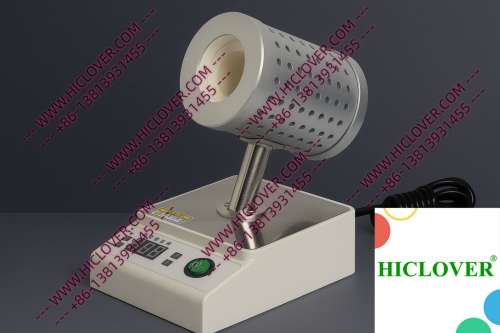
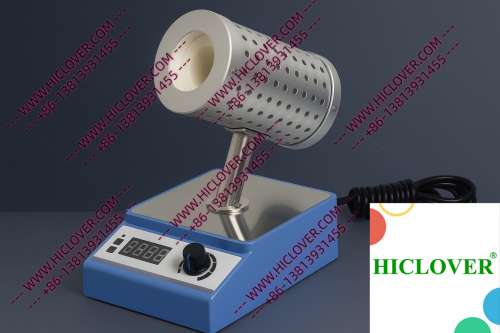
The Micro Incinerator operates on the principle of infrared heat transfer, utilizing an enclosed ceramic tube to deliver precise, high-temperature disinfection. Unlike traditional flame sterilizers, this innovative device generates infrared rays that warm the inoculating loop quickly and evenly, thereby achieving consistent sterilization results. The ceramic heating chamber not only enhances the effectiveness of the sterilization process but also significantly reduces the risk of flammable materials igniting, making it suitable for clean-room environments and minimizing aerosol dispersion.
Applications in Real Labs
The versatility and efficiency of the Micro Incinerator are well-illustrated in various laboratory settings:
- Biosafety Cabinets: In BSL-2 and BSL-3 microbiology labs, the Micro Incinerator provides a reliable solution for decontaminating inoculating loops and needles without introducing open flames, thereby protecting sensitive samples and personnel from potential hazards.
- Field Testing Laboratories: For mobile labs conducting field tests, portability and efficiency are critical. The compact design of the Micro Incinerator allows researchers to perform sterilizations on-site without relying on bulky equipment or combustible materials.
- University Teaching Labs: In educational settings, the Micro Incinerator promotes student safety while providing a hands-on learning experience. Its user-friendly operation allows students to focus on learning various microbiological techniques without concern for traditional flame hazards.
- No flame requirements in clean-room environments
- Minimized production of aerosols during sterilization
- Reduced energy consumption compared to traditional burners
Laboratory Compliance and Environmental Considerations
When implementing sterilization protocols, adherence to established biosafety standards is paramount. The World Health Organization (WHO) emphasizes strict biosafety regulations to minimize contamination risks in laboratory settings. By adopting the Micro Incinerator, laboratories can enhance compliance with crucial lab sterilization standards, such as:
Moreover, the ecological advantages of using solar or infrared technology contribute to a lower carbon footprint, aligning with global sustainability goals.
Features and Advantages Over Traditional Flame Sterilizers
Comparing traditional flame sterilizers, such as alcohol lamps or Bunsen burners, with the Micro Incinerator reveals a substantial shift towards innovation in sterilization technology. Here’s a comparison highlighting key differences:
| Feature | Micro Incinerator | Traditional Flame Sterilizers |
|---|---|---|
| Heating Method | Infrared Heating | Open Flame |
| Portability | Highly Portable | Less Portable |
| Risk of Contamination | Very Low | Moderate to High |
| Energy Efficiency | High | Low |
| Ease of Use | User-friendly | Requires Skill |
Frequently Asked Questions (FAQs)
1. How does the Micro Incinerator work?
The Micro Incinerator employs infrared heat to rapidly sterilize inoculating loops and other instruments, ensuring effective decontamination in a safe manner.
2. Is it suitable for use in high-biosafety labs?
Yes, the Micro Incinerator is designed for use in BSL-2 and BSL-3 laboratories, providing a safe alternative to open flame sterilization methods.
3. Can the Micro Incinerator reduce energy consumption?
Absolutely! Its efficient heating mechanism consumes less energy compared to traditional flame sterilizers, contributing to lower operational costs and enhanced sustainability.
4. What are the main advantages of using this equipment over traditional methods?
The Micro Incinerator offers reduced contamination risk, improved portability, and user-friendly operation, making it safer and more efficient than traditional flame sterilizers.
5. Where can I purchase a Micro Incinerator?
You can contact local laboratory supply distributors or visit our website to explore purchasing options for the Micro Incinerator.
Conclusion
As laboratories increasingly prioritize biosafety and sustainability, the choice of sterilization equipment becomes critical. The Micro Incinerator stands out as a state-of-the-art solution that delivers rapid thermal sterilization without the risks associated with traditional flame methods. If you’re looking to enhance your lab’s sterilization processes while adhering to compliance standards, consider investing in the Micro Incinerator today. For further inquiries or to place an order, please get in touch with us!
Categories:
Tags: