
In laboratories and healthcare environments, biosafety challenges are ever-present. Researchers and medical professionals often grapple with the demands of effective sterilization workflows. Traditional flame sterilization methods, such as alcohol lamps and Bunsen burners, pose significant risks. These include open flames, environmental contamination, and a lack of precision during sterilization. As facilities strive for superior contamination control, the emergence of advanced sterilization technologies, particularly the Micro Incinerator / Infrared Inoculating Loop Sterilizer, has become crucial for maintaining high safety standards.
The Technology Behind Infrared Sterilization
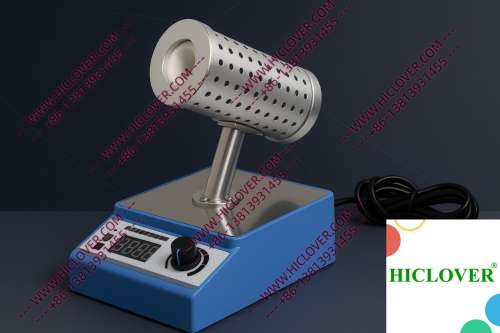
The Micro Incinerator operates using rapid thermal sterilization technology. At its core, the device employs an enclosed ceramic tube where infrared heat is generated. This innovative design allows for high-temperature disinfection without the hazards associated with open flames. The ceramic heating chamber reaches temperatures that can efficiently sterilize inoculating loops, needles, and other laboratory tools within seconds.
This sterilizer relies on infrared radiation, which not only provides consistent heating but also minimizes heat loss, thus making the entire sterilization process more energy-efficient compared to traditional methods. The clean-bench-safe design ensures that if any aerosols are generated, they are contained, further safeguarding the laboratory environment.
Application Scenarios in Real Laboratories
1. Biosafety Cabinet Applications
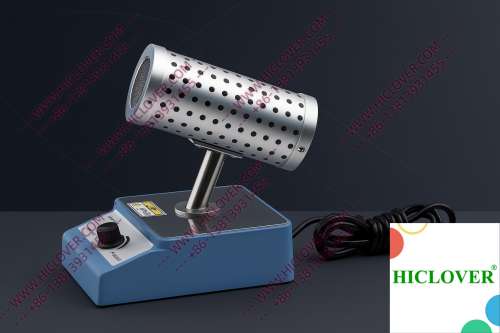
In a BSL-2 microbiology lab, researchers often work with pathogenic organisms, necessitating stringent sterilization measures. The Micro Incinerator seamlessly integrates into biosafety cabinets, providing an efficient solution for sterilizing tools right within the confines of the cabinet. This reduces the risk of contamination, as technicians can quickly sterilize instruments after each use without exposing the environment to open flames.
2. Teaching Laboratories
University teaching labs face unique challenges; the goal is to create a safe learning environment while educating students on proper sterile techniques. The Micro Incinerator proves invaluable in this setting. It offers students hands-on experience with advanced sterilization methods while ensuring compliance with stringent safety standards. The compact design fits perfectly on laboratory benches, allowing effortless transition between demonstrations and practical learning applications.
Biosafety Compliance and Environmental Considerations
Compliance with international biosafety standards is paramount in any laboratory setting. Instruments like the Micro Incinerator support the World Health Organization (WHO) safety guidelines by providing efficient sterilization without open flames. This is especially critical in clean rooms and sensitive environments where contamination could jeopardize research integrity.
- BSL-2 and BSL-3 compliance: Ensures safe handling of microorganisms.
- No flame operations: Prevents ignition risks and maintains clean room standards.
- Eco-friendly design: Reduces the carbon footprint with energy-efficient performance.
Furthermore, the Micro Incinerator’s compact and portable design makes it ideal for mobile or field testing labs. This versatility ensures that researchers can maintain stringent sterilization practices even in remote locations.
Micro Incinerator vs. Traditional Flame Sterilizers
| Feature | Micro Incinerator | Flame Sterilizer |
|---|---|---|
| Heat Source | Infrared Heat | Open Flame |
| Safety | Containable, Low Risk | High Risk of Fire/Contamination |
| Energy Efficiency | High | Variable |
| Speed of Sterilization | Seconds | Variable, Dependent on Flame Behavior |
| Portability | High | Low |
Frequently Asked Questions
What is the primary advantage of a Micro Incinerator over traditional methods?
The primary advantage lies in its safety and efficiency. The Micro Incinerator uses infrared heat, eliminating the risks associated with open flames while providing rapid sterilization.
How do I maintain the Micro Incinerator for optimal performance?
Regular cleaning of the ceramic tube and ensuring proper calibration will help maintain optimal performance. Always follow the manufacturer’s guidelines.
Can the Micro Incinerator be used in field tests?
Yes, its compact design makes it suitable for use in remote field environments, allowing for effective sterilization regardless of location.
Is the Micro Incinerator energy efficient?
Absolutely! Its infrared technology minimizes heat loss, leading to lower energy consumption compared to traditional flame sterilizers.
Does using an incinerator affect compliance with laboratory safety standards?
Using a Micro Incinerator enhances compliance with laboratory safety standards, particularly in clean rooms, due to its flameless design and efficient sterilization capabilities.
Conclusion
As laboratories and medical institutions increasingly prioritize safety and efficiency, advanced sterilization equipment such as the Micro Incinerator / Infrared Inoculating Loop Sterilizer stands at the forefront of biosecure solutions. With its rapid thermal sterilization capabilities, compliance with international safety standards, and suitability for various laboratory environments—including BSL-2 and BSL-3 microbiology labs—this device represents a vital investment for any facility committed to maintaining the highest contamination control protocols. For those looking to enhance their laboratory’s safety and efficiency, now is the ideal time to explore the benefits of the Micro Incinerator. Contact us today for more information or to place your order!
Categories:
Tags: