
In the fast-paced world of laboratory science, maintaining a stringent sterilization workflow is key to ensuring biosafety and experimental accuracy. Laboratories across Iraq are continuously faced with challenges related to contamination control and efficient sterilization processes. As the demand for precise and sterile environments grows, the introduction of innovative sterilization equipment—particularly Micro Incinerators and Infrared Inoculating Loop Sterilizers—can transform lab operations significantly.
Understanding the Technical Principles of Micro Incinerators
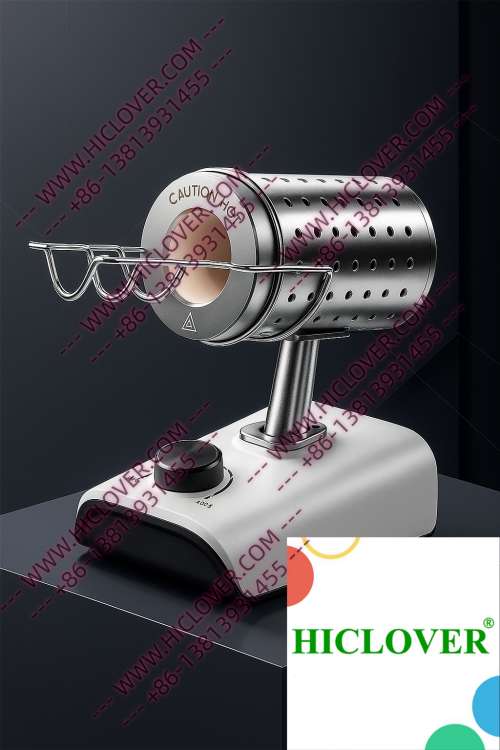
Micro Incinerators utilize advanced infrared heat technology for rapid thermal sterilization, ensuring efficient disinfection of inoculating loops and other laboratory tools. At the heart of this device is an enclosed ceramic heating chamber that delivers high-temperature disinfection while minimizing the risks associated with traditional flame sterilizers.
This innovative design allows for clean, aerosol-free handling, vastly reducing the chances of airborne contamination—a significant advantage in sensitive biosafety environments. In contrast to alcohol lamps or Bunsen burners, Micro Incinerators provide consistent and controlled temperatures, making them suitable for use in BSL-2 and BSL-3 microbiology labs, clinical diagnostics, and educational settings.
Applications of Micro Incinerators in Real Laboratory Settings
1. Enhancing Safety in Biosafety Cabinets
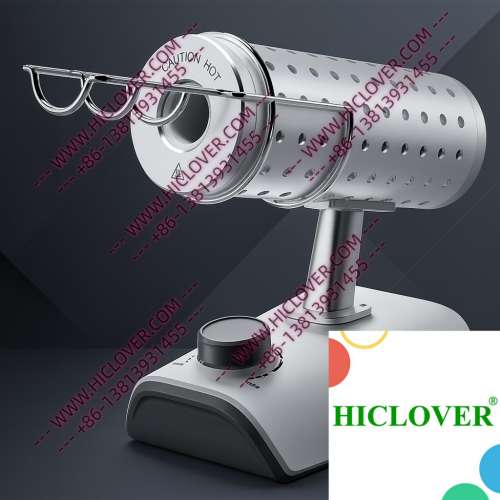
In many laboratory settings, particularly those operating under strict biosafety regulations, the use of Micro Incinerators is paramount. Within a biosafety cabinet, these devices facilitate the sterilization process without introducing an open flame. This allows researchers and technicians to work safely with sensitive biological materials while mitigating the risk of hazardous aerosols.
2. Field Testing and Mobile Laboratory Operations
Field testing operations, especially in regions with variable environmental conditions, benefit greatly from the portability and reliability of Micro Incinerators. These compact units can easily be transported to remote locations, allowing for on-the-spot sterilization of instruments in various fields—from environmental research to mobile health initiatives. Their ability to operate without an external flame ensures safety even when working in diverse and unpredictable environments.
Compliance and Environmental Considerations
Adherence to international biosafety standards is crucial in laboratory operations. The World Health Organization (WHO) outlines best practices for lab sterilization to reduce risk. Micro Incinerators align with these standards by providing a no-flame option that is essential in clean rooms and sterile environments.
Traditional flame sterilizers pose risks such as fire hazards and volatile fumes, which can compromise compliance with strict lab protocols. By transitioning to infrared sterilization, laboratories not only enhance safety but also create an environmentally friendly workspace that reduces the carbon footprint associated with fuel consumption.
Comparison: Micro Incinerator vs. Traditional Flame Burners
| Feature | Micro Incinerator | Flame Burners |
|---|---|---|
| Heat Delivery | Infrared high-temperature | Open flame |
| Safety | No flame, aerosol-free | Fire hazard |
| Portability | Compact and lightweight | Generally stationary |
| Efficiency | Rapid thermal sterilization | Variable, dependent on user skill |
| Compliance | Meets WHO standards | Potential non-compliance issues |
FAQs
- What is a Micro Incinerator? A Micro Incinerator is a sterilization device that uses infrared heat technology to achieve quick and effective disinfection of laboratory tools without an open flame.
- How does an Infrared Inoculating Loop Sterilizer work? It operates by reaching high temperatures in a ceramic tube, ensuring that all contaminants are effectively eliminated in a short time frame.
- Why is a Micro Incinerator preferred over traditional flame sterilizers? Micro Incinerators provide enhanced safety, consistent performance, and compliance with biosafety standards, making them ideal for sensitive laboratory environments.
- Can I use a Micro Incinerator in a mobile laboratory setting? Yes, their lightweight design and operational efficiency make them perfect for field testing and mobile labs where portability is essential.
- What are the cost implications of switching to Micro Incinerators? While the initial investment may be higher than traditional methods, the long-term savings in efficiency, safety, and compliance are significant.
Conclusion
In summary, incorporating Micro Incinerators and Infrared Inoculating Loop Sterilizers into laboratory practices in Iraq can greatly improve the efficiency, safety, and compliance of sterilization workflows. As the demand for high-quality laboratory sterilization equipment grows, investing in these innovative devices offers a pathway to enhanced operational performance in various settings, from university teaching labs to clinical diagnostics.
Contact us today to discover how our range of PCR sterilizers can meet your laboratory’s unique needs and boost your workflow efficiency. Let us help you elevate your lab’s biosafety standards!
Categories:
Tags: