
In the bustling landscape of medical practices in India, where maintaining biosafety and adherence to sterilization protocols is of utmost importance, the challenges are numerous. Laboratories face an increasing demand for streamlined sterilization workflows that not only enhance productivity but also ensure safety against contamination. With the rise of advanced sterilization technologies, Micro Incinerators and Infrared Inoculating Loop Sterilizers are gaining traction, promising to redefine laboratory sterilization.
The Science Behind Infrared Sterilization
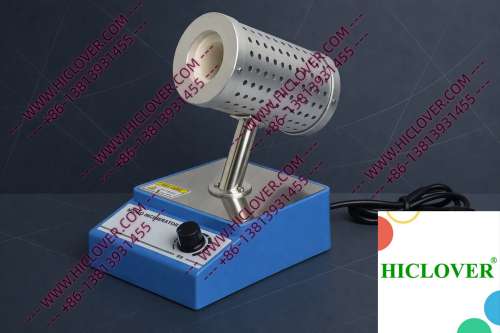
Infrared technology harnesses rapid thermal sterilization through directed heat energy. The ceramic heating chamber encased within the Micro Incinerator converts electric energy into infrared radiation, which effectively generates high temperatures—typically reaching up to 800°C. Unlike traditional flame sterilizers, these units allow for clean-bench-safe operation by minimizing the risk of open flames, thus reducing the hazard of fire in sensitive laboratory environments.
As the infrared heat fills the enclosed ceramic tube, it ensures uniform heating without producing aerosols, hence facilitating contamination control. This technical evolution is pivotal in maintaining a sterile environment, especially in urban areas like Mumbai and Bengaluru where laboratory space is often at a premium.
Applications in Lab Environments
Biosafety Cabinets
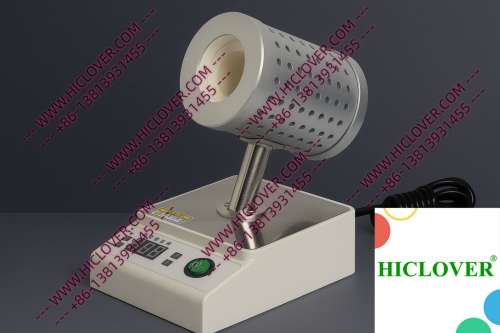
In BSL-2 and BSL-3 microbiology labs, maintaining sterile conditions is crucial. The Micro Incinerator can be strategically placed within a biosafety cabinet. In this setup, researchers use the device to quickly sterilize inoculating loops and needles without exposing themselves to potential biological hazards. The closed-loop system ensures that any harmful particles generated during sterilization are contained, significantly reducing risk.
Field Testing
Mobile and field testing labs often encounter unique challenges when it comes to sterilizing equipment in varied environments. The lightweight and compact design of the Infrared Inoculating Loop Sterilizer makes it an ideal choice for field use. For example, researchers in rural areas of Karnataka can effectively sterilize their tools right at the testing site, minimizing delays in data collection due to sterilization processes.
Compliance and Environment Considerations
With sterilization being a central tenet of laboratory operations, compliance with standards set forth by organizations such as the WHO is non-negotiable. The advent of micro incineration technology aligns seamlessly with laboratory sterilization standards. Many sterile environments—like clean rooms—mandate the absence of open flames due to combustion risks. The infra-red sterilization technique addresses this concern while promoting safety and compliance in every work session.
Moreover, these devices have the added advantage of being eco-friendly. By eliminating the need for alcohol or other combustible materials, they not only optimize energy use but also reduce carbon emissions associated with traditional flame sterilizers.
Comparison: Micro Incinerator vs. Flame Burners
To further illustrate the advantages of using a Micro Incinerator, consider the following table comparing it with traditional flame burners:
| Feature | Micro Incinerator | Flame Burners |
|---|---|---|
| Safety | Safe for clean environments, no open flame | Open flame poses risk of fire and contamination |
| Efficiency | Rapid, consistent sterilization | Inconsistent; requires manual maintenance |
| Ease of Use | Lightweight and portable, easy setup | Bulky and requires flammable materials |
| Environmental Impact | Eco-friendly, reduces combustion | Emits CO2 and other pollutants |
FAQs about Micro Incinerators
- What is the ideal temperature for effective sterilization with a Micro Incinerator? The ideal temperature is typically around 800°C for rapid thermal sterilization.
- How does the Micro Incinerator ensure contamination control? It utilizes infrared heat that sterilizes tools quickly without producing aerosols, minimizing contamination risks.
- Can Micro Incinerators be used in mobile labs? Yes, their compact design makes them suitable for mobile applications and field testing environments.
- How do Micro Incinerators align with WHO biosafety standards? They operate without open flames, thereby adhering to safe sterilization protocols necessary for high-compliance labs.
- What advantages does a Micro Incinerator offer over traditional flame sterilizers? Key advantages include improved safety, greater efficiency, ease of use, and reduced environmental impact.
Choosing the Right Sterilization Equipment
In conclusion, the transition to advanced devices like the Micro Incinerator and Infrared Inoculating Loop Sterilizer marks a significant leap in laboratory sterilization. These innovative solutions offer unparalleled efficiency, safety, and compliance for medical practices throughout India. Laboratory supply distributors and healthcare practitioners interested in adapting to modern sterilization methods are encouraged to explore purchasing options that suit their specific workflow needs. By investing in superior sterilization technology, facilities can enhance their operational efficiency and prioritize patient safety in their ongoing work.
Categories:
Tags: