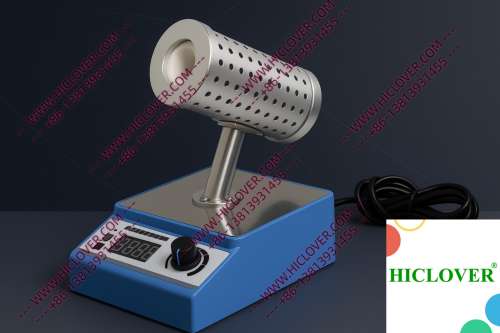
In today’s rapidly evolving laboratory environment, biosafety challenges and sterilization workflow demands are at the forefront of maintaining an effective and safe workspace. With increasing regulations and an emphasis on contamination control, laboratories are turning to advanced sterilization solutions. One such innovative tool is the Micro Incinerator / Infrared Inoculating Loop Sterilizer, a smart sterilizer that significantly enhances laboratory efficiency through the integration of real-time sensors.
The Technical Principles Behind Infrared Sterilization
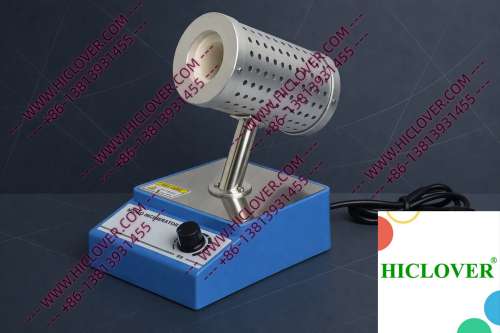
The Micro Incinerator operates on the principle of rapid thermal sterilization using infrared heat. This advanced device features an enclosed ceramic heating chamber that reaches high temperatures within seconds. Unlike traditional flame sterilizers, such as alcohol lamps and Bunsen burners, this technology ensures a consistent and controlled environment for sterilization.
The infrared sterilization process works by emitting infrared radiation which is absorbed by the inoculating loop or instrument being sterilized. This method not only minimizes heat loss but also provides uniform heating throughout the device. The result is efficient disinfection that reduces the risk of cross-contamination and maximizes lab output.
Applications of Micro Incinerators in Real Laboratories
Micro Incinerators find a myriad of applications across different laboratory environments, delivering practical value and enhancing workflow efficiency. Here are two notable scenarios:
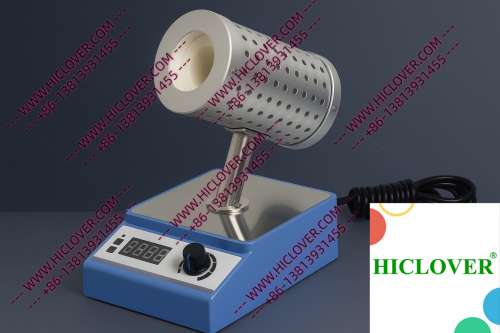
- Biosafety Cabinets: Within BSL-2 and BSL-3 microbiology labs, the use of a Micro Incinerator is crucial. It not only meets stringent biohazard safety protocols but also ensures that sterile techniques are maintained during specimen handling and culture streaking. The absence of an open flame reduces the risk of fire hazards, a significant concern in these controlled environments.
- Teaching Laboratories: In academic settings, the Micro Incinerator serves as an ideal solution for teaching lab safety and sterilization techniques. Students can learn about sterile handling without the risks associated with flames. This is particularly beneficial for field testing scenarios where immediate sterilization is necessary to prevent contamination.
Compliance and Environmental Considerations
When it comes to laboratory sterilization, adherence to established regulations is non-negotiable. The World Health Organization (WHO) biosafety guidelines emphasize the importance of effective sterilization practices in preventing the spread of pathogens. Additionally, labs must comply with local and international standards for laboratory sterilization equipment. The smart features of the Micro Incinerator meet these demands, providing a reliable solution that aligns with modern biosafety standards.
In clean rooms and environments where it is essential to minimize aerosols and maintain air quality, the Micro Incinerator’s flame-free technology is an asset. This ensures that sterilization can occur without introducing live contaminates into clean areas, aligning with contemporary laboratory safety protocols.
A Comparison of Micro Incinerators vs. Flame Sterilizers
| Feature | Micro Incinerator | Flame Sterilizers |
|---|---|---|
| Sterilization Time | Seconds | Minutes |
| Temperature Control | Automatic | Manual |
| Contamination Risk | Low | High |
| Ease of Use | User-friendly | Requires Training |
| Environmentally Safe | Yes | No |
FAQs About Micro Incinerators
What is a Micro Incinerator used for?
A Micro Incinerator is primarily used for sterilizing inoculating loops and other small laboratory instruments using infrared heat, ensuring efficient disinfecting without the hazards associated with open flames.
How does an infrared inoculating loop sterilizer work?
The device utilizes infrared radiation to rapidly heat the sterilizing chamber, ensuring that instruments reach high temperatures quickly and safely for effective disinfection.
Are Micro Incinerators safe to use in laboratories?
Yes, Micro Incinerators are designed for safety, reducing the risk of fire and minimizing contamination, making them ideal for use in sensitive laboratory environments.
How do Micro Incinerators compare to traditional flame sterilizers?
Micro Incinerators offer faster sterilization times, lower contamination risks, and are easier to operate compared to traditional flame sterilizers, which require careful handling and longer heating times.
Can Micro Incinerators be used in field applications?
Absolutely! The portable design of Micro Incinerators makes them suitable for field testing where immediate sterilization is necessary, ensuring samples remain uncontaminated.
Conclusion
The emergence of smart sterilizers like the Micro Incinerator / Infrared Inoculating Loop Sterilizer marks a significant advancement in laboratory sterilization technologies. By adopting these innovative systems, laboratories can boost their efficiency, ensure compliance with biosafety standards, and improve overall lab safety. If you are looking to upgrade your sterilization equipment, consider investing in a Micro Incinerator to enhance your laboratory’s operational capabilities and safety.
For more information or to request a quote, please contact us today!
Categories:
Tags: