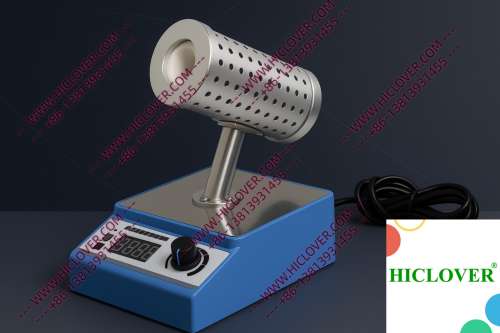
The advancement of biosafety technologies has revolutionized laboratory practices, particularly when it comes to sterilization workflows. Research institutions in Switzerland are increasingly turning to innovative solutions like the Micro Incinerator or Infrared Inoculating Loop Sterilizer to meet their biosafety challenges. Traditional methods such as Bunsen burners and alcohol lamps present risks of contamination and inefficiency, pushing labs to explore more effective approaches for rapid thermal sterilization.
Understanding the Technical Principles
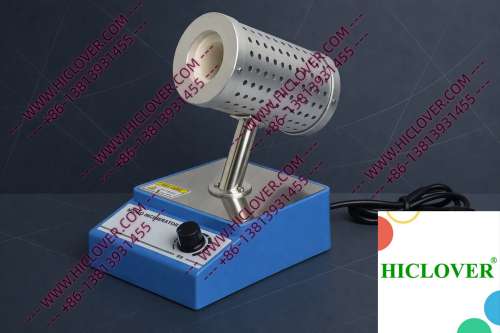
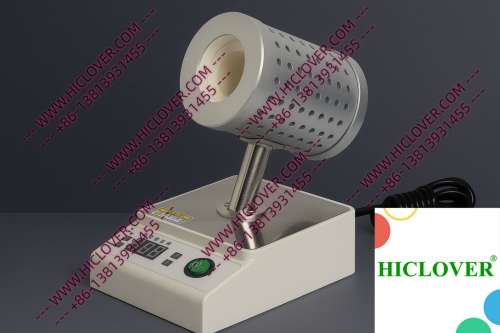
Micro Incinerators utilize infrared heat generated within an enclosed ceramic tube to achieve high-temperature disinfection. This technology allows for precise temperature control, significantly improving contamination control in laboratory environments. With temperatures exceeding 800°C achievable in mere seconds, the enclosed environment minimizes aerosol escape, maintaining the integrity of sensitive laboratory areas, including BSL-2 and BSL-3 microbiology labs.
- Rapid Thermal Sterilization: Minimal warm-up time compared to traditional methods.
- Aerosol-free Handling: Safety first with no flame exposure to the user and the environment.
- Compact Design: Ideal for use in confined spaces like biosafety cabinets.
Application Scenarios in Laboratory Settings
As laboratories evolve, real-world application scenarios highlight the advantages of adopting Micro Incinerators.
Biosafety Cabinets
In a BSL-2 lab, where the handling of pathogens is routine, maintaining a sterile environment is crucial. Micro Incinerators can be effectively used within biosafety cabinets to quickly sterilize inoculating loops and other small instruments. The compact size and reduced risk of contamination align seamlessly with stringent biosafety requirements, ensuring that all equipment used remains free from pathogenic organisms.
Teaching Laboratories
University teaching labs utilizing the Micro Incinerator provide students with hands-on experience in modern sterilization techniques. The elimination of flames and the ease of use foster an educational environment focused on safety and efficiency. Involving students in sterile preparations for microbiological experiments encourages understanding of best practices in contamination control.
Compliance with Biosafety Standards
Laboratory environments, especially those dealing with potentially hazardous microbes, must adhere to strict compliance standards such as those set by the World Health Organization (WHO) and other regulatory bodies. The following points illustrate the advantages of Micro Incinerators concerning compliance:
- No open flame transition: Clean rooms require flame-free sterilization to prevent contamination.
- Adherence to WHO protocols for sterilization which emphasize rapid disinfection methods.
- Meets international standards such as ISO 15189 for clinical diagnostics and laboratory accreditation.
The shift from traditional flame sterilizers to Micro Incinerators represents a significant improvement in achieving compliance with modern biosafety practices while enhancing workflow efficiency.
Comparative Overview: Micro Incinerator vs. Traditional Flame Sterilizers
| Feature | Micro Incinerator | Traditional Flame Sterilizers |
|---|---|---|
| Temperature Control | Precise infrared heating | Variable; dependent on flame size |
| Worker Safety | No open flame | Flame exposure risk |
| Speed of Operation | Instant heat-up and disinfection | Potentially slow; heat-up time varies |
| Aerosol Generation | No aerosols | Possible aerosol creation |
| Portability | Compact and mobile | Bulky; not easily transportable |
FAQs About Micro Incinerators
What are the main benefits of using a Micro Incinerator over traditional flame sterilizers?
The key benefits include enhanced safety with no open flames, improved sterilization speed, and lower risks of aerosol contamination, making them ideal for sensitive laboratory environments.
Can Micro Incinerators be used in field testing applications?
Absolutely! Their compact and mobile design makes them suitable for field testing labs, allowing for rapid sterilization in various environments without compromising biosafety.
Are Micro Incinerators compliant with WHO biosafety standards?
Yes, Micro Incinerators meet various international biosafety standards, including WHO recommendations, ensuring efficient sterilization while maintaining safety protocols.
How does a Micro Incinerator handle different types of lab tools?
Micro Incinerators are versatile and can effectively sterilize various tools such as inoculating loops, needles, and small metal instruments, essential for microbiology and clinical diagnostics.
What makes Micro Incinerators suitable for teaching labs?
Teaching labs benefit from Micro Incinerators as they are flame-free, enabling students to learn sterilization techniques in a safe environment while focusing on essential biosafety measures.
Conclusion
As Swiss research institutions aim to bolster their biosafety and sterilization practices, the adoption of Micro Incinerators represents a significant step towards modernized laboratory operations. By implementing such advanced sterilization equipment, institutions can enhance their workflows while meeting strict safety standards. For inquiries or to explore procurement options for Micro Incinerators, don’t hesitate to contact us today and elevate your lab’s sterilization practices!
Categories:
Tags: