
In modern laboratory environments, the pursuit of biosafety and contamination control is paramount. As laboratories, especially those at BSL-2 and BSL-3 levels, evolve in complexity and sophistication, there arises an increasing pressure to adopt technologies that not only enhance safety but also streamline sterilization workflows. Traditional sterilization methods like Bunsen burners and alcohol lamps introduce risks such as open flames and potentially hazardous aerosols into sensitive environments. In this context, odor-free sterilization technology, specifically the Micro Incinerator / Infrared Inoculating Loop Sterilizer, stands out as a game-changing solution.
Understanding the Technical Principles of Infrared Sterilization
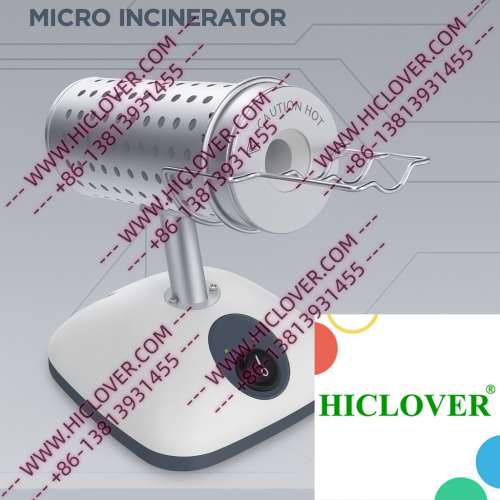
The operation of the Micro Incinerator is rooted in advanced infrared heat technology. Unlike conventional sterilizers, which rely on open flames to achieve thermal sterilization, the Micro Incinerator utilizes a ceramic heating chamber. This enclosed design provides rapid thermal sterilization, allowing sterilization temperatures to exceed 800°C very quickly. The infrared radiation emitted by the device ensures that inoculating loops and other sterile implements are heated evenly and efficiently, eliminating the risk of incomplete sterilization.
- Rapid Thermal Sterilization: Within seconds, the device achieves a temperature high enough for effective disinfection.
- Enclosed Design: Reduces the risk of contamination associated with outdoor flames.
- Aerosol-Free Handling: Minimizes the risk of inhalation of harmful bacteria during the sterilization process.
- Clean-Bench-Safe: Ideal for use in biosafety cabinets without generating harmful emissions or exposing lab personnel to fire hazards.
- Eliminates open flames, reducing the risk of fire hazards in cleanroom environments.
- Reduces aerosol generation, thus lowering the chances of airborne contaminants, promoting cleaner workspaces.
- Adheres to sterilization guidelines outlined by authorities such as the American National Standards Institute (ANSI) and the Centers for Disease Control and Prevention (CDC).
Real-World Applications in Laboratory Settings
The versatility of the Micro Incinerator shines through its applications in various laboratory settings. Here are two specific scenarios:
1. Biosafety Cabinet Integration
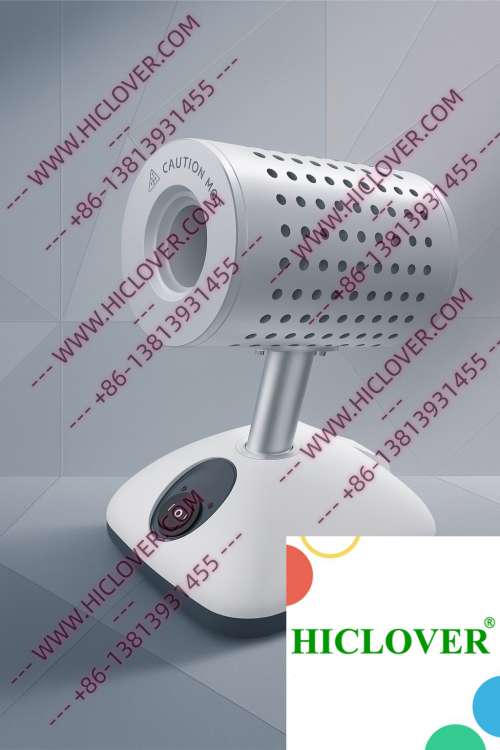
In biosafety cabinets, where maintaining a sterile environment is critical, the Micro Incinerator serves as an excellent tool for sterilizing microbiological instruments. By incorporating this technology within the cabinet, lab personnel can ensure rapid and efficient sterilization without compromising the sterile airflow. As a result, scientists working with potentially hazardous pathogens can execute their work with confidence, knowing that their tools are properly sterilized immediately before use.
2. Field Testing Applications
In mobile or field testing laboratories, where traditional sterilization methods can be impractical, the Micro Incinerator offers a reliable solution. Researchers conducting environmental samples in remote locations can deploy this odor-free technology to sterilize equipment on-site. The lightweight and portable design of the Micro Incinerator allows for easy transportation, providing flexibility without sacrificing compliance and safety.
Compliance and Environmental Considerations
Compliance with international laboratory biosafety standards is critical in laboratory operations. Various organizations, including the World Health Organization (WHO), set forth stringent regulations aimed at ensuring safe handling of contaminants. Using a Micro Incinerator aligns with these standards, as it:
Making a conscious choice to adopt such technology not only aligns with global biosafety standards but also reflects a commitment to advanced laboratory practices.
Comparison: Micro Incinerator vs. Traditional Flame Sterilizers
| Feature | Micro Incinerator | Flame Sterilizers |
|---|---|---|
| Heating Method | Infrared | Open Flame |
| Safety | Aerosol-Free, No Fire Hazard | Risk of Fire and Aerosol |
| Speed | Instantaneous | Varies |
| Operational Environment | Cleanroom Safe | Not Suitable |
| Odor | Odor-Free | Burning Odor |
Frequently Asked Questions (FAQs)
What is a Micro Incinerator, and how does it work?
A Micro Incinerator is an advanced sterilization device that uses infrared heat to sterilize inoculating loops and pipettes quickly and safely. It operates within a closed ceramic heating chamber, providing an efficient and odor-free sterilization process.
Is the Micro Incinerator suitable for fieldwork?
Yes! The portable design of the Micro Incinerator makes it ideal for field testing applications, allowing for effective sterilization even in remote locations.
How does the use of a Micro Incinerator improve laboratory safety?
By eliminating open flames and aerosol generation, the Micro Incinerator significantly reduces fire hazards and the risks associated with airborne pathogens; making lab environments much safer.
Conclusion
As our understanding of laboratory biosafety advances, so does the necessity for sterilization technologies that uphold integrity, efficiency, and safety. The Micro Incinerator / Infrared Inoculating Loop Sterilizer stands as a superior alternative to traditional flame sterilizers, blending high-performance sterilization with user-friendly operation. For laboratories aiming to adopt industry-leading practices, investing in a Micro Incinerator represents a pivotal step toward achieving optimal sterilization workflows while ensuring compliance with biosafety standards. To explore options or request more information about securing a Micro Incinerator for your lab, please reach out to us today!
Categories:
Tags: