
In today’s rapidly advancing scientific landscape, laboratory biosafety challenges have become a pressing concern for researchers and technicians alike. With increasing demands for effective sterilization workflows, ensuring contamination control is pivotal. One innovative solution that addresses these pressing needs is the Micro Incinerator or Infrared Inoculating Loop Sterilizer. This article explores the technical principles behind this equipment, its applications in various laboratory settings, compliance standards, and much more.
The Need for Innovative Sterilization Solutions
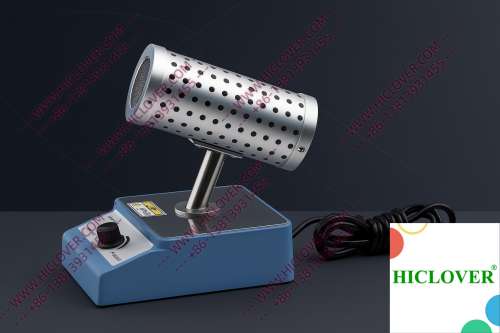
Traditional methods of sterilization, such as alcohol lamps and Bunsen burners, often pose safety hazards and inefficiencies. In environments requiring stringent biosafety measures, such as BSL-2 and BSL-3 microbiology laboratories, the potential for flames and aerosol generation is a significant concern. Hence, the demand for safer, faster, and more effective sterilization options like the Micro Incinerator is on the rise.
Technical Principles of Micro Incinerators
The Micro Incinerator utilizes infrared heat to achieve rapid thermal sterilization. This advanced equipment features an enclosed ceramic heating chamber designed to provide high-temperature disinfection without the risks associated with open flames. The device efficiently incinerates contaminants on inoculating loops, needles, and other tools—helping actively prevent cross-contamination in various laboratory environments.
Features of the Micro Incinerator
- Infrared Technology: Rapid heating minimizes sterilization time while maximizing efficiency.
- Compact Design: Ideal for both workspace-limited labs and field testing settings.
- Robust Construction: Made from durable materials that withstand rigorous lab conditions.
- No Flame Operation: Improves safety, particularly in clean rooms and biological safety cabinets.
Application Scenarios
1. University Teaching Labs
In educational environments where practical microbiology is taught, the Micro Incinerator provides a convenient method for sterilizing loops and needles efficiently. Students can learn proper inoculation techniques while utilizing a device that prioritizes safety and efficiency. With its compact nature, the Micro Incinerator fits seamlessly into teaching lab setups without compromising available workspace.
2. Field Testing Labs
In field testing scenarios—such as environmental microbiology studies—the Micro Incinerator proves invaluable. Mobile laboratories equipped with this sterilization tool can ensure contamination control when conducting research in varied and unpredictable environments. With no need for external fuel sources, the Micro Incinerator is portable and perfectly suited for on-site testing.
Compliance and Environmental Considerations
Compliance with WHO biosafety guidelines and laboratory sterilization standards is crucial in any laboratory setting. Traditional flame sterilizers can often produce aerosols, which are detrimental to cleanroom environments. The Micro Incinerator eliminates this concern, making it an ideal choice for laboratories that prioritize biosafety. Utilizing this device ensures compliance with stringent protocols, particularly when working within BSL-2 or BSL-3 laboratories, thereby safeguarding employees, research integrity, and environmental impact.
Comparative Analysis: Micro Incinerator vs. Traditional Flame Sterilizers
| Feature | Micro Incinerator | Flame Sterilizers |
|---|---|---|
| Safety | No open flame, minimizes aerosol production | Open flame, risk of burns and inhalation of aerosols |
| Efficiency | Rapid heating and cooling cycles | Longer to heat up and cool down |
| Usability | Simple operation and maintenance | Requires skill to operate correctly |
| Portability | Compact and lightweight | Bulky and requires fuel supply |
Frequently Asked Questions (FAQs)
What types of tools can the Micro Incinerator sterilize?
The Micro Incinerator is designed to effectively sterilize inoculating loops, needles, and other small laboratory instruments.
How does infrared heat improve sterilization efficiency?
Infrared heat provides rapid thermal sterilization, allowing for quick disinfection cycles that reduce downtime between experiments.
Is the Micro Incinerator suitable for use in clinical diagnostics laboratories?
Yes, it is widely used in clinical diagnostics labs where contamination control is critical, making it a safe and efficient choice.
Can the Micro Incinerator be used in field conditions?
Absolutely! Its compact design allows for easy transportation, making it ideal for mobile or field testing applications.
What regulatory standards does the Micro Incinerator comply with?
The Micro Incinerator meets various laboratory sterilization standards and WHO biosafety guidelines, making it compliant for use in sensitive environments.
Conclusion
In summary, adopting a Micro Incinerator or Infrared Inoculating Loop Sterilizer presents a strategic advantage for laboratories aiming to enhance their biosafety practices while maintaining operational efficiency. By switching to this state-of-the-art sterilization equipment, laboratories can ensure not just compliance with safety protocols but also boost overall productivity. For more information on how our products can meet your sterilization needs, we invite you to reach out to us for a consultation or to discuss purchasing options.
Categories:
Tags: