
In the world of laboratory operations, maintaining biosafety is paramount. As research and medical institutions continually strive to ensure the highest levels of cleanliness, the need for reliable sterilization equipment becomes evident. Traditional flame sterilizers like alcohol lamps and Bunsen burners pose several challenges, including safety hazards, inconsistent sterilization rates, and contamination risks. Enter the Micro Incinerator or Infrared Inoculating Loop Sterilizer, a cutting-edge solution tailored to meet the rigorous demands faced by labs in Chittagong and beyond.
Technical Principles of Micro Incinerators
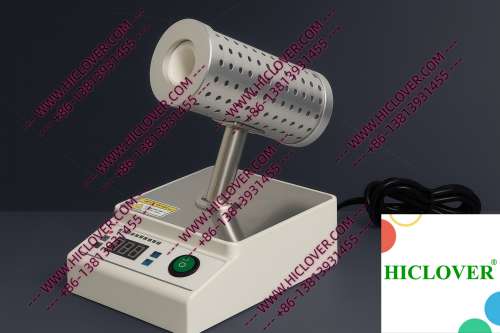
Micro incinerators operate on the principle of rapid thermal sterilization utilizing infrared heat. These devices are equipped with a ceramic heating chamber that generates high temperatures rapidly, typically reaching up to 800 degrees Celsius. This enclosed space allows for aerosol-free handling, ensuring that any pathogenic microorganisms present on inoculating loops and other instruments are effectively eradicated without the risks associated with open flames.
Moreover, the infrared technology used allows for a consistent and uniform distribution of heat, which traditional flame sterilizers cannot guarantee. This feature is particularly advantageous in meeting the diverse sterilization requirements of laboratories—whether in a BSL-2 microbiology lab or a clinical diagnostic setting.
Enhanced Safety and Compliance
In laboratories where controlling contamination is critical, adherence to established biosafety standards is essential. Regulatory guidelines from institutions such as the World Health Organization (WHO) and various national protocols highlight the necessity for sterilization equipment that minimizes risk. Using micro incinerators in clean rooms eliminates the concerns related to flame use, thereby enhancing the safety of personnel and the integrity of experiments.
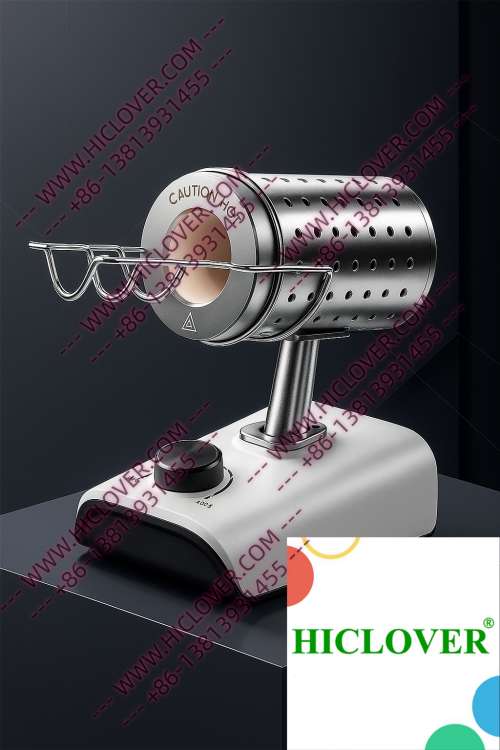
Furthermore, unlike traditional methods that may compromise air quality, these sterilizers align with lab sterilization standards demanding zero flame and reduced aerosol production. This feature is crucial for environments where even the slightest contamination can disrupt sensitive research findings.
Application Scenarios
- Biosafety Cabinets: In a typical laboratory setup involving a biosafety cabinet, the micro incinerator plays a critical role in ensuring that all tools used within the cabinet are sterilized prior to sample handling, thereby avoiding cross-contamination.
- Teaching Labs at Universities: For educational institutions, hands-on training with sterilization assurances helps students learn critical laboratory skills while maintaining health safety protocols. Micro incinerators streamline this process, ensuring that students can focus on the learning without technical limitations.
- Field Testing Labs: Mobile or field-testing scenarios benefit significantly as micro incinerators are lightweight and portable, allowing scientists to sterilize tools on-site without bulky equipment.
Compliance with International Standards
Hospitals and laboratories in Chittagong must comply with several international safety standards to operate efficiently. The use of micro incinerators aligns closely with compliance necessities for:
- Cleanroom regulations prohibiting open flames
- WHO guidelines on laboratory biosafety
- Local health department requisites for microbial safety
Micro Incinerator vs. Traditional Flame Sterilizers
| Features | Micro Incinerator | Flame Sterilizers |
|---|---|---|
| Temperature Control | Consistent & Adjustable | Variable & Unstable |
| Safety | Flame-free | Fire hazard |
| Efficiency | Rapid sterilization | Longer warm-up time |
FAQs
What are the main advantages of using a Micro Incinerator?
Micro Incinerators offer faster sterilization times, reduced risks associated with flames, and enhanced user safety, making them preferable for stringent laboratory environments.
Can micro incinerators be used in field testing?
Yes, their portable design makes them ideal for field testing, allowing researchers to perform effective sterilization on-site.
Are micro incinerators compliant with WHO biosafety standards?
Absolutely! Micro Incinerators meet the stringent guidelines set forth by WHO and other regulatory bodies for laboratory safety and sterilization.
How do Micro Incinerators improve laboratory workflows?
With rapid thermal sterilization technology, micro incinerators minimize downtime and streamline the sterilization process, increasing overall lab efficiency.
What should I consider when purchasing a Micro Incinerator?
When selecting a micro incinerator, consider factors like temperature control, size, safety features, and compliance with international safety standards.
Conclusion
Investing in a Micro Incinerator/Infrared Inoculating Loop Sterilizer is a forward-thinking decision for laboratories in Chittagong and beyond. These devices not only meet the sterilization needs of modern-day research but also elevate safety and compliance standards within your facility. With their numerous advantages over traditional flame sterilizers, micro incinerators are set to transform the landscape of lab sterilization equipment.
For more information on how to integrate these vital tools into your laboratory, contact us today to explore purchasing options and ensure a safe, efficient working environment!
Categories:
Tags: