The intricate workflow of laboratory procedures often faces significant biosafety challenges, especially concerning the sterilization of inoculating loops. Contamination control is paramount when navigating tasks within BSL-2 and BSL-3 microbiology labs. As research and diagnostics increasingly demand efficient sterilization methods, the need for advanced laboratory sterilization equipment becomes critical. Among these, the Infrared Inoculating Loop Sterilizer stands out as a modern solution, offering rapid thermal sterilization that is both clean and effective.
Understanding the Technical Principles
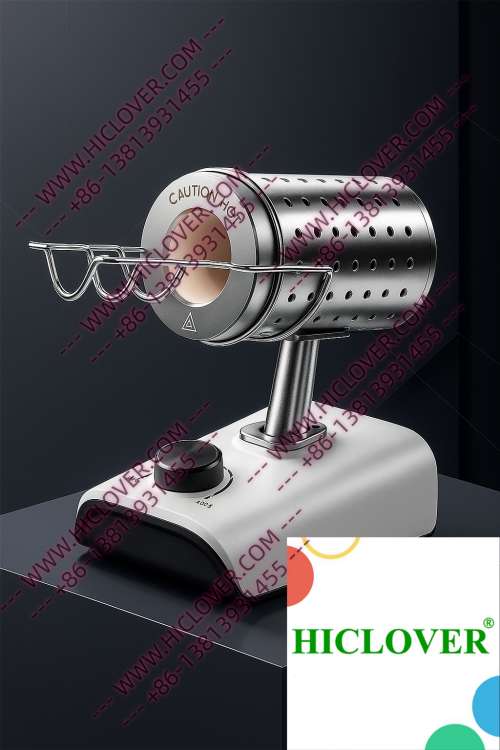
The Infrared Inoculating Loop Sterilizer employs a unique configuration that distinguishes it from traditional flame sterilizers. At its core, the sterilizer utilizes infrared heat, produced through an enclosed ceramic heating chamber. Unlike Bunsen burners and alcohol lamps, which can create an aerosol-free environment, this device ensures that sterilization occurs at high temperatures quickly, making it ideal for biosafety cabinets and clean rooms.
The enclosed design of the ceramic tube enables rapid thermal sterilization, effectively eliminating microbial contaminants in moments without the risk of an open flame. This feature not only improves safety within the lab but also streamlines workflow by minimizing the need for extensive cleanup and maintenance associated with traditional flame sterilizers.
Applications in Real Laboratories
Laboratories around Beirut are progressively adopting infrared sterilizers for enhanced efficiency. Here are two practical application scenarios:
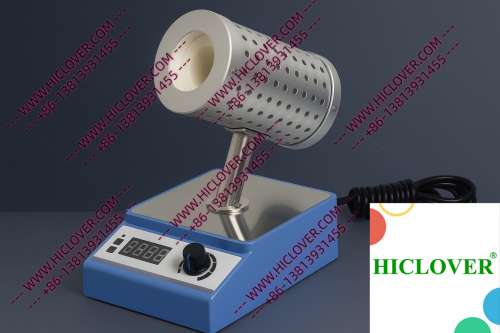
1. University Teaching Labs
Teaching laboratories in universities are often crowded environments where students practice microbiological techniques. Here, the Infrared Inoculating Loop Sterilizer allows for quick sterilization of inoculating loops between step-by-step bacterial culture procedures. Its compact design makes it ideal for cramped lab stations, while its ease of use enables students to maintain a focus on learning rather than grappling with unsafe flame techniques.
2. Field Testing Laboratories
In mobile or field testing environments, where laboratory conditions can be unpredictable, the Infrared Sterilizer provides a reliable option. Its lightweight and portable design allows for easy transportation, and the absence of an open flame mitigates risks associated with igniting combustible materials during field experiments. Professionals can sterilize their tools on the go without compromising on safety or effectiveness.
Compliance and Safety in Laboratory Environments
Meeting WHO biosafety compliance is not just about following guidelines; it also involves using equipment that enhances overall laboratory safety. The Infrared Inoculating Loop Sterilizer adheres to stringent lab sterilization standards while ensuring a flame-free operation, making it particularly suitable for clean rooms where even the minutest contaminants can compromise research integrity.
Additionally, its capability to quickly and effectively sterilize without producing aerosols makes it an appropriate choice for BSL-2 and BSL-3 microbiology labs, where strict contamination control is a constant requirement. Using infrared sterilization techniques helps labs efficiently meet regulatory obligations, optimizing both safety and compliance.
Advantages Over Traditional Flame Sterilizers
When comparing the Infrared Inoculating Loop Sterilizer to traditional flame burners, several notable advantages emerge:
- Rapid Thermal Sterilization: Significantly reduces time spent on sterilization.
- Safety: No open flames increase safety in the lab environment.
- Contamination Control: Minimizes risk of aerosolized contaminants.
- Portability: Ideal for both stationary and field applications.
- Operational Costs: Less maintenance compared to traditional flame devices.
Comparison Table: Infrared Inoculating Loop Sterilizer vs. Traditional Flame Burners
| Feature | Infrared Inoculating Loop Sterilizer | Flame Burners |
|---|---|---|
| Heat Source | Infrared | Open Flame |
| Speed of Sterilization | Seconds | Varies |
| Safety | High (no flame) | Moderate/High |
| Maintenance | Low | High (cleaning soot, refills) |
| Portability | High | Low |
Frequently Asked Questions
What is the primary function of the Infrared Inoculating Loop Sterilizer?
The primary function is to provide rapid and effective sterilization of inoculating loops used in microbiological applications, enhancing lab safety and efficiency.
Is the Infrared Inoculating Loop Sterilizer suitable for field testing?
Yes, its portable design and flame-free operation make it ideal for use in mobile laboratory settings.
How does it compare to traditional flame sterilizers regarding safety?
The device is significantly safer as it eliminates the risk of open flames and aerosol contamination, promoting a cleaner laboratory environment.
What are the maintenance requirements for this sterilizer?
Maintenance is minimal due to its robust design and lack of flame, primarily requiring regular checks for functionality.
Can it be used in a BSL-2 laboratory setting?
Absolutely, it complies with the necessary biosafety standards for BSL-2 laboratories, providing an effective sterilization solution.
Conclusion
In conclusion, the adoption of the Infrared Inoculating Loop Sterilizer is a transformative step in laboratory operations, addressing both sterilization efficiency and safety demands. As laboratories in Beirut and beyond strive to enhance their workflow and maintain compliance with biosafety standards, investing in such innovative equipment becomes essential. For high-quality exports and further inquiries about Micro Incinerators, please do not hesitate to contact us—let’s improve your laboratory’s sterilization practices together!
Categories:
Tags: