
In today’s laboratory environment, the demand for effective sterilization methods has never been higher. Biosafety challenges in laboratories, particularly in Hangzhou’s growing healthcare and research sectors, require innovative solutions to ensure contamination control. The rapid advancements in sterilization technology, particularly the Micro Incinerator or Infrared Inoculating Loop Sterilizer, have emerged as a game-changer, offering a reliable and efficient sterilization option tailored for various applications.
Understanding the Technical Principles of Micro Incinerators
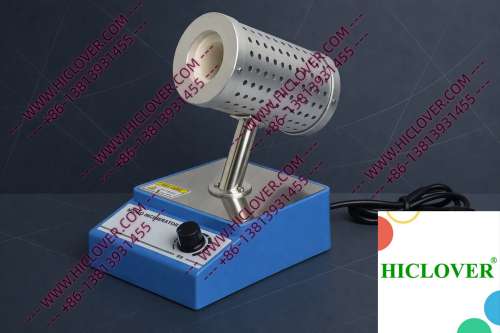
The Micro Incinerator operates on the principle of rapid thermal sterilization. By utilizing an enclosed ceramic heating chamber, this device generates infrared heat that can rapidly elevate temperatures, achieving sterilization levels equivalent to traditional flame methods without the associated risks. The ability of the micro incinerator to produce high-temperature disinfection while being clean-bench-safe makes it an ideal choice for laboratories concerned about aerosol production.
Advantages Over Traditional Flame Sterilizers
Unlike conventional alcohol lamps or Bunsen burners, the Micro Incinerator eliminates the risk of open flames, significantly lowering the potential for fire hazards within cleanroom environments. Furthermore, it offers precise control over temperature, thereby ensuring consistent sterilization results. This degree of control is critical, particularly in sensitive applications.
Application Scenarios in Real Laboratories
Below are two relevant application scenarios where Micro Incinerators are transforming laboratory practices:
-
Biosafety Cabinets:
In BSL-2 and BSL-3 laboratories, where the handling of infectious agents is routine, the Micro Incinerator serves as a crucial tool. The closed design ensures that high-risk pathogens are effectively eliminated, minimizing contamination risks during multimodal experiments. -
University Teaching Labs:
In educational settings, the introduction of Micro Incinerators provides students with a safe and effective method for sterilizing inoculating loops. The user-friendly operation enhances learning experiences while adhering to strict safety and sterilization standards.
Compliance with Biosafety Standards
When it comes to laboratory sterilization, compliance with established biosafety protocols is non-negotiable. The World Health Organization (WHO) has set comprehensive guidelines regarding laboratory practices, emphasizing the need for effective sterilization methods.
- The Micro Incinerator meets international biosafety standards, ensuring that laboratories maintain high sterilization efficacy.
- Its design inherently complies with cleanroom requirements, where eliminating flame is crucial to maintaining ambient conditions.
- With no open flames, it significantly reduces the risk of creating aerosols, a critical factor during sterilization procedures.
Comparison Table: Micro Incinerator vs. Flame Burners
| Feature | Micro Incinerator | Flame Burners (Alcohol Lamp/Bunsen Burner) |
|---|---|---|
| Temperature Control | Precise, adjustable | Less precise, dependent on flame height |
| Safety | Safe, no open flames | Risk of burns and fire hazards |
| Contamination Control | Aerosol-free | Potential aerosol generation |
| Maintenance | Low maintenance, durable | Frequent refueling required |
FAQs About Micro Incinerators
What is the primary use of a Micro Incinerator?
The primary use of a Micro Incinerator is for sterilizing inoculating loops and other lab tools to eliminate microbial contamination efficiently.
How do Micro Incinerators comply with biosafety standards?
Micro Incinerators comply with biosafety standards by providing a safe, enclosed, and controlled environment for sterilization that minimizes the risk of aerosolization and adheres to WHO guidelines.
Can a Micro Incinerator be used in field testing?
Yes, Micro Incinerators are portable and can be effectively used in field testing laboratories where reliable sterilization is crucial for sample integrity.
What are the benefits of choosing a Micro Incinerator over traditional methods?
Benefits include enhanced safety due to the lack of open flames, precise temperature control, and significant reduction in contamination risks compared to traditional alcohol lamps or Bunsen burners.
How long does sterilization take with a Micro Incinerator?
The sterilization process typically takes only a few seconds to ensure rapid throughput in laboratory workflows without sacrificing efficiency or effectiveness.
Conclusion
Investing in Micro Incinerators, particularly in hospitals and laboratories in Hangzhou, aligns perfectly with the evolving needs for enhanced biosafety and laboratory efficiency. These devices not only meet stringent sterilization requirements but also foster an educational environment conducive to safe practice in university teaching labs. For providers looking to upgrade their sterilization practices while ensuring compliance with the highest standards, the Micro Incinerator presents an attractive solution. Contact us today to explore our range of Micro Incinerators and enhance your laboratory’s sterilization workflow.
Categories:
Tags: