
In laboratory settings, particularly within BSL-2 and BSL-3 microbiology labs, effective sterilization is paramount. The demand for reliable laboratory sterilization equipment has surged, driven by stringent biosafety regulations and the necessity for contamination control. Among the innovative solutions available, the Micro Incinerator, also known as the Infrared Inoculating Loop Sterilizer, stands out as a vital tool for maintaining biosafety in various laboratory environments.
Understanding the Technical Principles
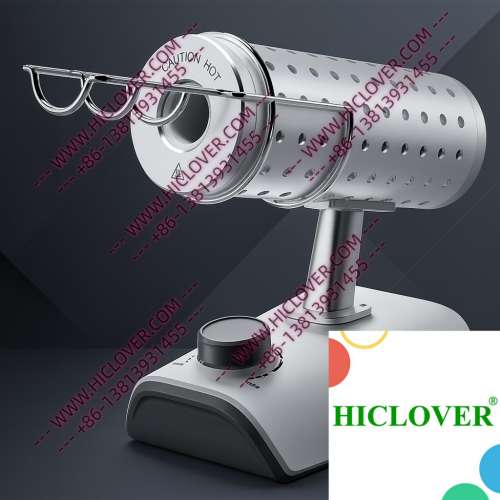
The Micro Incinerator operates through the principle of rapid thermal sterilization, utilizing infrared heat produced by a ceramic heating chamber. This design ensures high temperatures are reached quickly, allowing for effective sterilization without the need for flammable materials such as alcohol or the open flames characteristic of traditional methods like Bunsen burners. In a laboratory setting, the enclosed ceramic tube serves both safety and efficiency, minimizing the risk of aerosol contamination as well as protecting the operator from burns or fire hazards.
With portable and compact designs, Micro Incinerators can easily fit into various laboratory spaces, including biosafety cabinets, making them accessible for many laboratory workflows. These sterilizers reach temperatures sufficient for rapid disinfection, typically exceeding 800°C (1472°F), all while featuring a user-friendly interface. This combination of functionality and safety ensures workflow integrity, particularly in environments requiring sterile conditions.
Practical Application Scenarios
In real-world laboratory applications, Micro Incinerators have proven invaluable. Let’s explore a couple of scenarios:
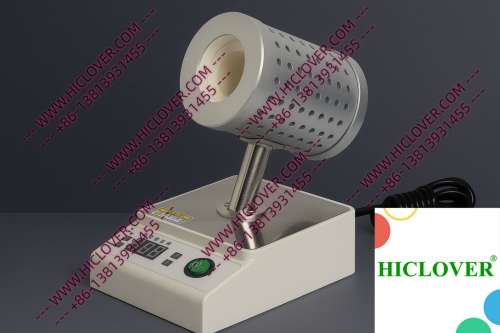
- Biosafety Cabinets: Within BSL-2 facilities, where handling pathogenic organisms is routine, researchers utilize Micro Incinerators for sterilizing inoculating loops without subjecting the work environment to open flames. Their rapid sterilization capabilities enhance workflow efficiency while ensuring compliance with WHO biosafety standards.
- Field Testing Labs: In mobile laboratories, such as those deployed in clinical diagnostics or environmental monitoring, the compact design of Micro Incinerators ensures that fieldworkers can maintain strict sterilization practices without the risks associated with traditional flame-based methods. This aspect is critical for maintaining hygiene standards in dynamic and variable external environments.
Compliance and Environmental Considerations
One of the pressing issues in laboratory settings is compliance with health and safety standards. The WHO has set forth strict biosafety guidelines dictating the sterilization processes required when handling biological materials. Traditional flame sterilizers may pose risks in clean rooms due to their potential to generate contaminants or ignite flammable substances.
An essential feature that distinguishes Micro Incinerators from flame sterilizers is their ability to operate effectively without open flames, thus ensuring that they meet compliance requirements like:
- WHO Sterilization Guidelines
- Lab Sterilization Standards (ISO 9001, ISO 13485)
- Cleanroom Environment Regulations
These aspects highlight the environmental safety that Micro Incinerators offer, making them ideal for sterile environments like clean benches or anaerobic chambers, which require non-flame-based equipment to ensure operational integrity.
Comparing Micro Incinerators and Traditional Flame Sterilizers
| Feature | Micro Incinerator | Traditional Flame Sterilizers |
|---|---|---|
| Safety | Flame-free operation | Risk of burns and fire hazards |
| Speed of Sterilization | Rapid heating to >800°C | Dependent on gas supply and open flame |
| Contamination Control | Aerosol-free handling | Potential for aerosol generation |
| Portability | Compact and lightweight | Often larger and less mobile |
| Environmental Compliance | Meets WHO and industry standards | May not comply with stringent clean room regulations |
FAQs: Exploring Common Queries About Micro Incinerators
What is a Micro Incinerator?
A Micro Incinerator is a laboratory sterilization device that uses infrared heat to achieve rapid sterilization of inoculating loops and other tools without open flames.
How does a Micro Incinerator improve laboratory safety?
By eliminating the use of flames, a Micro Incinerator significantly reduces the risk of burns and fire hazards while also preventing aerosol contamination, maintaining a sterile environment.
Are Micro Incinerators compliant with international safety standards?
Yes, Micro Incinerators adhere to WHO biosafety guidelines and ISO standards for laboratory equipment, ensuring that they meet the necessary regulations for sterile laboratory practices.
Can I use a Micro Incinerator in clean rooms?
Absolutely! Micro Incinerators are designed for cleanroom use, offering a safe and efficient method of sterilization without compromising air quality or safety protocols.
Where can I purchase Micro Incinerators in Honolulu?
Local hospitals, university laboratories, and research centers often purchase Micro Incinerators through laboratory supply distributors, but direct orders can also be placed through specialized suppliers.
Conclusion
As hospitals and laboratories in Honolulu continue to evolve, adopting advanced sterilization methods is essential for maintaining biosafety and compliance with international standards. The Micro Incinerator not only offers significant advantages over traditional flame sterilizers but also represents a reliable solution for contemporary laboratory challenges. For those looking to invest in high-quality Micro Incinerators, we invite you to reach out to us for further information or to make a purchase.
Categories:
Tags: