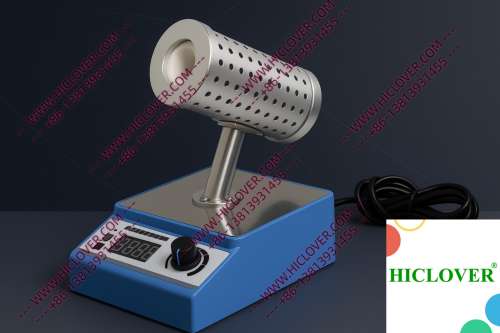
Lab sterilization is an essential part of maintaining biosafety levels, especially in environments dealing with sensitive biological samples. Traditional methods like alcohol lamps and Bunsen burners have been widely used; however, they pose various challenges in terms of efficiency, safety, and compliance with stringent regulations. In 2023, the spotlight is on advanced sterilization equipment, particularly the Micro Incinerator and Infrared Inoculating Loop Sterilizer, which have proven to be game-changers in laboratory practices.
Challenges in Laboratory Biosafety
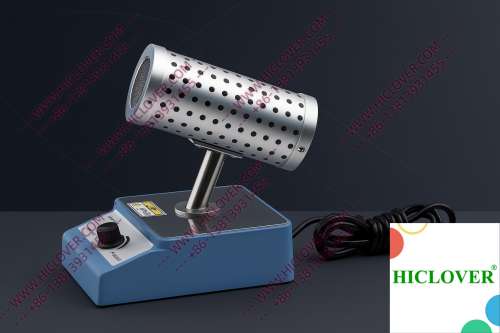
In laboratories, particularly within BSL-2 and BSL-3 settings, the risks of contamination can lead to dire consequences, both for the lab personnel and the integrity of their research. Rapid thermal sterilization methods are increasingly required to ensure effective decontamination of tools and surfaces without risking the introduction of aerosols or harmful particulates. The Micro Incinerator, which utilizes infrared high-temperature disinfection, stands out as one of the most notable solutions to these challenges, facilitating a cleaner and safer workflow.
Technical Principles of the Micro Incinerator
The Micro Incinerator operates on advanced heating technology, utilizing an enclosed ceramic tube that provides a rapid and efficient means of sterilization. This design allows for:
- Infrared Heat Transfer: The device utilizes infrared heat to achieve high temperatures quickly, effectively sterilizing inoculating loops and other lab tools in seconds.
- Enclosed Chamber Design: The ceramic heating chamber enhances safety by containing the heat, reducing risk of accidents and providing a clean-bench-safe environment.
- Aerosol-Free Handling: Unlike traditional flame sterilizers, the Micro Incinerator eliminates the risk of generating aerosols, ensuring that the sterilization process does not compromise clean room protocols or biosafety cabinet operations.
- Eliminating open flames, which are typically prohibited in clean rooms.
- Providing consistent sterilization results that align with stringent laboratory protocols.
- Reducing chemical exposure and minimizing waste generation.
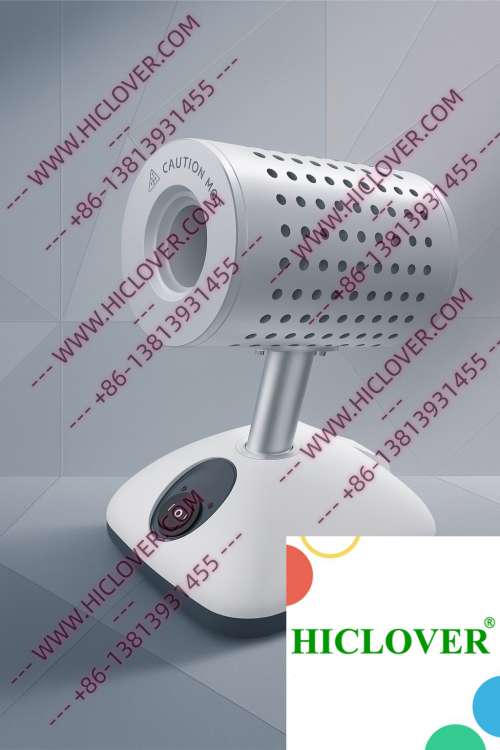
Applications of the Micro Incinerator in Real Labs
1. Biosafety Cabinets
In BSL-2 and BSL-3 laboratories, the Micro Incinerator complements the use of biosafety cabinets effectively. Researchers utilize it for sterilizing microbiological culture tools without introducing contaminants. This device is essential for maintaining the integrity of sterile work environments, where the integrity of results is paramount.
2. Teaching Labs in Universities
University teaching labs can benefit significantly from the versatility and ease-of-use that the Micro Incinerator offers. Students can sterilize inoculating loops safely, learning best practices without the dangers associated with flame-based sterilization methods. Demonstrating the principles of sterile technique using infrared sterilizers propels students into modern lab practices, aligning with today’s safety standards.
Compliance and Environment
Adhering to laboratory sterilization standards is critical. Compliance with the World Health Organization (WHO) biosafety levels and standards is paramount to maintaining a safe working environment. The Micro Incinerator not only meets but exceeds regulations by:
Micro Incinerator vs. Traditional Flame Burners
| Feature | Micro Incinerator | Traditional Flame Burners |
|---|---|---|
| Temperature Control | Precise infrared heat | Variable, less controllable flames |
| Safety | Enclosed design prevents accidents | Open flame hazards |
| Operation Mode | Aerosol-free | Potential aerosol generation |
| Maintenance | Low maintenance required | Regular cleaning of burners needed |
Frequently Asked Questions (FAQs)
What is the average lifespan of a Micro Incinerator?
The average lifespan of a Micro Incinerator can range from 5 to 10 years, depending on usage and maintenance.
Can the Micro Incinerator be used in field testing labs?
Yes, its portability and ease of use make it an excellent choice for field testing laboratories where quick and reliable sterilization is necessary.
How does the Micro Incinerator impact contamination control?
By utilizing infrared heating, it effectively sterilizes tools without generating aerosols or requiring flame, significantly improving contamination control in sensitive environments.
Are there training requirements to use a Micro Incinerator?
While the Micro Incinerator is user-friendly, it’s recommended that personnel undergo training to ensure proper handling and understanding of its operation.
Is the Micro Incinerator compliant with WHO biosafety standards?
Yes, the Micro Incinerator is designed to meet and exceed WHO biosafety standards, making it a safe choice for various laboratory applications.
Conclusion
In conclusion, as laboratories evolve to meet increased safety demands and regulatory standards, the Micro Incinerator / Infrared Inoculating Loop Sterilizer stands out as a leading choice for sterilization equipment in 2023. Its advanced features and applications make it a vital component in BSL-2, BSL-3, and teaching labs. For lab supply distributors, hospitals, and educational institutions looking to enhance their sterilization workflow, consider the Micro Incinerator as a reliable investment in both safety and efficiency. Contact us today for more information or to explore purchasing options for your laboratory needs.
Categories:
Tags: