
In the quest for maintaining optimal biosafety in laboratories, the challenges are multifaceted. Traditional sterilization methods, such as alcohol lamps and Bunsen burners, often fail to meet the rigorous demands of contemporary sterilization workflows. This limitation is particularly evident in sensitive environments such as BSL-2 and BSL-3 microbiology labs, where contamination control is critical for both research integrity and patient safety. As such, the Micro Incinerator, or Infrared Inoculating Loop Sterilizer, emerges as a compelling alternative.
Technical Principles of Micro Incinerators
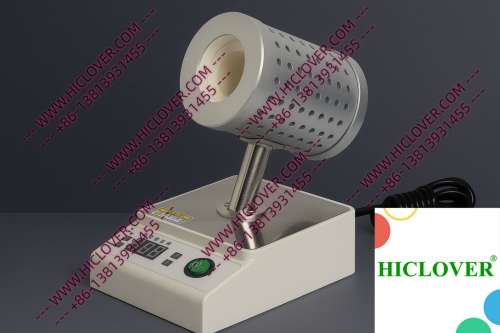
The Micro Incinerator operates on the principle of rapid thermal sterilization, utilizing an enclosed ceramic heating chamber. This design allows for infrared high-temperature disinfection, achieving temperatures that efficiently destroy microbial life without the risks associated with open flames. The use of infrared heat also translates to reduced energy consumption and faster sterilization cycles, making it a financially viable option for healthcare facilities.
Advantages Over Traditional Flame Sterilizers
- Safety: Eliminates the risk of fire and hazardous emissions associated with alcohol lamps.
- Efficiency: Rapid heat-up times and continuous operation reduce downtime.
- Contamination Control: Inoculating loops can be sterilized without aerosol generation, maintaining a sterile environment.
- Portability: Compact design enables easy transportation to field testing labs.
Application Scenarios for Micro Incinerators
With the unique capabilities of the Micro Incinerator, its application extends across various laboratory settings:
1. University Teaching Labs
In educational institutions, practical lab sessions require sterile instruments to ensure accurate results and uphold safety standards. Inoculating loops sterilized with a Micro Incinerator can be used efficiently in biosafety cabinets, allowing students to focus on learning the intricacies of microbiological techniques without the distraction of managing open flames. This contributes to a safer, more controlled teaching environment.
2. Clinical Diagnostics
In clinical labs, proper sterilization of tools is paramount. The Micro Incinerator is ideal for field testing where portability is key. As healthcare professionals often work in varied environments, the exposed bacteria must not be further spread; thus, the rapid sterilization provided by the Micro Incinerator ensures that all inoculating tools are free from contamination before analyzing patient samples.
Compliance and Environmental Considerations
Compliance with WHO biosafety regulations and established lab sterilization standards is not just a matter of preference—it’s a necessity. Many sterilization methods, especially those that involve open flames, are unsuitable for clean rooms where particulate contamination must be minimized. The Micro Incinerator’s flame-free operation allows laboratories to conform to ISO/IEC 17025 and other regulatory standards while promoting a safer working environment.
Comparison Table: Micro Incinerator vs. Flame Burners
| Feature | Micro Incinerator | Flame Burners |
|---|---|---|
| Operation Type | Infrared heat | Open flame |
| Safety | High | Moderate |
| Heat-Up Time | Fast | Variable |
| Contamination Control | Excellent | Poor |
| Portability | High | Low |
FAQs About Micro Incinerators
1. How long does it take to effectively sterilize an inoculating loop using a Micro Incinerator?
Typically, sterilization takes only a few seconds, significantly faster than traditional methods.
2. Are Micro Incinerators suitable for use in Class II biosafety cabinets?
Yes, the compact design and flame-free operation make them ideal for Class II BSL cabinets.
3. What maintenance is required for the Micro Incinerator?
Routine checks of the ceramic heating element and ensuring the unit is clean after use are essential for optimal performance.
4. Can the Micro Incinerator be used for other sterilization applications?
Absolutely, it is versatile enough to be used in a variety of laboratory settings where sterilization is essential.
5. How does the cost of a Micro Incinerator compare to traditional sterilization methods?
While the initial investment may be higher, the overall cost effectiveness comes from reduced energy use and long-term durability, along with labor savings.
Conclusion
As Bangkok’s healthcare facilities continue to advance, the demand for reliable and efficient sterilization equipment will only grow. The Micro Incinerator / Infrared Inoculating Loop Sterilizer stands out as a solution that not only meets regulatory compliance but also enhances laboratory safety and workflow. Selecting such advanced sterilization technology could significantly improve your facility’s operations.
If you’re interested in revolutionizing your sterilization processes with a dependable Micro Incinerator, contact us today to explore the options available to suit your needs!
Categories:
Tags: