
In laboratory settings, maintaining biosafety is paramount, especially for environments dealing with potentially hazardous materials. Researchers, educators, and healthcare professionals face daily challenges in achieving effective sterilization while adhering to strict biosafety protocols. One of the crucial components in laboratory sterilization workflows is the Micro Incinerator or Infrared Inoculating Loop Sterilizer, a modern solution that addresses these challenges head-on.
Understanding the Technical Principles
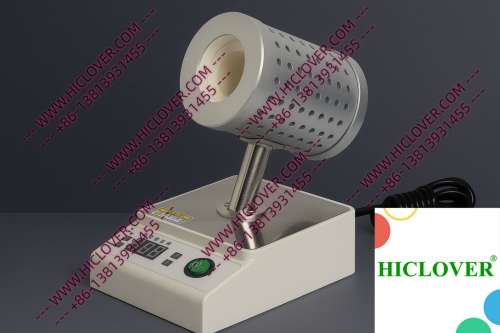
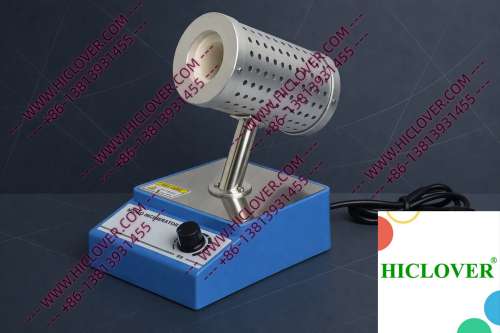
At the core of the Micro Incinerator’s efficiency lies its use of infrared heat to deliver rapid thermal sterilization. Unlike traditional flame sterilizers, which utilize open flames, this sophisticated device features an enclosed ceramic tube that generates a high-temperature environment. The infrared heating technology ensures uniform heat distribution, enhancing the speed and effectiveness of sterilization.
Here’s how it works: when the ceramic tube is heated, it provides a consistent temperature that can exceed 800°C within seconds. This allows for effective high-temperature disinfection of inoculating loops, needles, and other small laboratory instruments without the risk of flame-related accidents in cleanroom environments.
Advantages Over Traditional Flame Sterilizers
- Increased Safety: No open flames mean reduced risks of fires and burns.
- Rapid Operation: Faster sterilization cycles improve laboratory efficiency.
- Minimal Contamination: The clean-bench-safe design supports sterile handling of instruments.
- Aerosol-Free: Eliminates the production of potentially hazardous aerosols associated with flame usage.
- What temperatures can the Micro Incinerator achieve?
The device can reach temperatures above 800°C almost instantly, ensuring rapid and effective sterilization. - Can Micro Incinerators be used in BSL-3 labs?
Yes, Micro Incinerators are suitable for BSL-2 and BSL-3 environments, adhering to strict sterilization protocols. - How does the Micro Incinerator compare to traditional sterilizers?
It offers greater safety, quicker processes, and less risk of contamination compared to alcohol lamps and Bunsen burners. - What types of instruments are best suited for sterilization with this device?
Essentially, any metallic equipment like inoculating loops, needles, and scalpels can be efficiently sterilized. - What are the maintenance requirements for a Micro Incinerator?
Regular cleaning of the ceramic tube and exterior surfaces will ensure optimal performance and longevity.
Application Scenarios
The versatility of Micro Incinerators makes them suitable for various laboratory settings. Here are two specific scenarios:
1. Biosafety Cabinet Operations
In a BSL-2 microbiology lab, where pathogens are handled, the use of a Micro Incinerator within a biosafety cabinet allows researchers to maintain a sterile environment. Instruments such as inoculating loops can be quickly sterilized before transferring samples, minimizing the risk of contamination. This setup ensures adherence to rigorous biosafety protocols while enhancing workflow efficiency.
2. Teaching Laboratories
University teaching labs benefit significantly from Micro Incinerators during microbiology courses. Students can safely learn and practice sterilization techniques without the hazards associated with flame sterilizers. This encourages hands-on learning and raises awareness of best practices in laboratory safety.
Compliance and Environmental Considerations
The importance of compliance with global laboratory standards cannot be overstated. Organizations like the World Health Organization (WHO) emphasize biosafety in laboratory settings, highlighting the need for safe and effective sterilization methods. With no flame usage, Micro Incinerators align with cleanroom protocols and eliminate potential contamination pathways.
“To comply with laboratory sterilization standards, using devices that minimize risk to personnel and the environment is critical.”
Moreover, their energy-efficient design contributes to a more sustainable laboratory operation, reducing the carbon footprint when compared to traditional flame-based sterilization methods.
Market Needs and Regional Context
In Kolkata’s bustling lab supply market, there’s a growing demand for advanced sterilization equipment like the Micro Incinerator. Hospitals, research centers, and educational institutions recognize the importance of investing in reliable sterilization solutions to enhance their biosafety protocols.
This investment not only serves immediate operational needs but also aligns with long-term goals for safety and compliance with health regulations. Modern sterilizers also reduce downtime associated with instrument sterilization—an important advantage in clinical diagnostics.
FAQs About Micro Incinerators
Comparative Evaluation of Sterilization Methods
| Feature | Micro Incinerator | Flame Burners |
|---|---|---|
| Safety | No open flames, reduced risk | Open flame, risk of burns |
| Speed | Rapid sterilization | Slower due to flame setup |
| Contamination Control | Aerosol-free, clean operations | Potential aerosol generation |
| Energy Efficiency | Lower energy consumption | Higher energy use |
Conclusion
As the need for advanced sterilization solutions grows, investing in a Micro Incinerator / Infrared Inoculating Loop Sterilizer represents a crucial step forward for laboratories in Kolkata and beyond. Not only does it enhance safety and compliance, but it also improves laboratory workflows significantly. If you’re ready to upgrade your sterilization methods or have any questions about this innovative technology, please feel free to contact us or explore our offerings. Embrace the future of laboratory sterilization today!
Categories:
Tags: