
In the demanding environment of laboratory biosafety, ensuring proper sterilization protocols is paramount to mitigate contamination risks. This is especially true in hospitals across Madrid, where rapid advancements in laboratory sterilization equipment, like the Micro Incinerator or Infrared Inoculating Loop Sterilizer, are making significant strides in laboratory workflows. Understanding expenses related to the purchase of such sophisticated sterilizers can help facilities streamline their operational budgets and enhance their sterilization efficacy.
Understanding Laboratory Sterilization Challenges
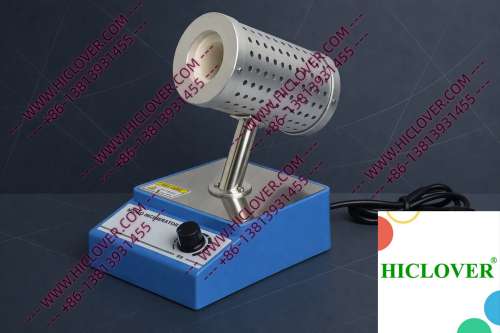
Every laboratory faces unique biosafety challenges that dictate their sterilization methods. In a climate where rapid thermal sterilization is essential for effective contamination control, conventional flame sterilizers, such as alcohol lamps and Bunsen burners, often fall short. These traditional methods are not only slower but also pose risks associated with open flames, including aerosol production and potential fire hazards.
Technical Aspects of the Micro Incinerator
The Micro Incinerator operates on advanced infrared heating technology, which allows for a quick and efficient sterilization process. The configuration includes an enclosed ceramic heating chamber, providing a clean and controlled environment for the sterilization of inoculating loops and other small instruments. This innovative design minimizes the risk of contamination, making it particularly suitable for use within biosafety cabinets and other clean environments.
Applications of Micro Incinerators in Real Labs
The versatility of the Micro Incinerator makes it an excellent choice for various laboratory applications:
- Biosafety Cabinets: In hospitals and research facilities where BSL-2 and BSL-3 protocols are observed, the Micro Incinerator provides safe sterilization without the risk of flame interactions.
- Field Testing: For mobile labs or field testing situations, the compact and lightweight design of the Micro Incinerator allows for easy transport and use in diverse environments, ensuring effective sterilization on-the-go.
- Teaching Labs: University laboratories benefit from the Micro Incinerator’s straightforward operation, making it an ideal teaching tool for students learning proper sterilization techniques.
Compliance and Environmental Considerations
Adhering to international biosafety standards is a critical aspect of laboratory operations. The Micro Incinerator aligns with WHO biosafety regulations and laboratory sterilization standards, ensuring reliability and safety during operation. Moreover, its flame-free design mitigates the risk associated with traditional sterilizers in clean rooms or controlled environments.
Deploying a Micro Incinerator may also contribute positively to environmental compliance. With its efficient energy usage and reduced emissions compared to traditional flame methods, it meets various sustainability criteria for laboratory operations.
Expense Breakdown: What to Expect When Purchasing
While the upfront cost of a Micro Incinerator is generally higher than traditional flame burners, the long-term savings and safety benefits can outweigh the initial investment. Key factors to consider when breaking down the expenses include:
- Initial Purchase Price: Generally ranging from €300 to €800, depending on specifications and additional features.
- Operational Costs: Reduced energy consumption compared to flame sterilizers can lead to lower operational costs over time.
- Maintenance: Lower maintenance needs and no ignition components result in cost savings in both the short and long term.
Micro Incinerator vs. Traditional Flame Sterilizers
| Feature | Micro Incinerator | Traditional Flame Sterilizers |
|---|---|---|
| Heating Method | Infrared heating | Open flame |
| Safety | Flame-free operation | Potential fire hazards |
| Contamination Control | Minimal aerosol production | Aerosol production |
| Speed of Sterilization | Rapid thermal sterilization | Variable speed |
| Cost | Higher initial investment | Lower upfront cost |
FAQs Related to Micro Incinerators
- What is the lifespan of a Micro Incinerator? Typically, these devices have a long lifespan, often exceeding several years with proper maintenance.
- Can I use a Micro Incinerator in a BSL-3 lab? Yes, they are designed to meet the stringent safety protocols of BSL-3 environments.
- How is the Micro Incinerator powered? Most units are electric and can be plugged into standard outlets.
- Is training required to operate a Micro Incinerator? While operation is straightforward, basic training is recommended to ensure safety and efficiency.
- What maintenance does a Micro Incinerator require? Regular cleaning of the heating elements and monitoring for any operational irregularities are advised to maintain performance.
Conclusion
The acquisition of a Micro Incinerator or Infrared Inoculating Loop Sterilizer is an essential investment for laboratories in Madrid. While the initial costs may be a consideration, the long-term advantages in terms of safety, efficiency, and compliance with biosafety standards make it a wise choice. For further information on sourcing the right sterilization equipment tailored to your specific laboratory needs or to request a quote, please feel free to contact us today!
Categories:
Tags: