
In today’s rapidly advancing laboratory environments, maintaining strict biosafety protocols is crucial for research and clinical diagnostics. Researchers, educators, and laboratory technicians face unique challenges when it comes to sterilizing equipment efficiently and safely. Among the various sterilization methods, the Micro Incinerator / Infrared Inoculating Loop Sterilizer stands out as an innovative solution. This article delves into the technical principles, practical applications, compliance standards, and comparisons with traditional sterilization methods.
The Technical Principles of Infrared Loop Sterilizers
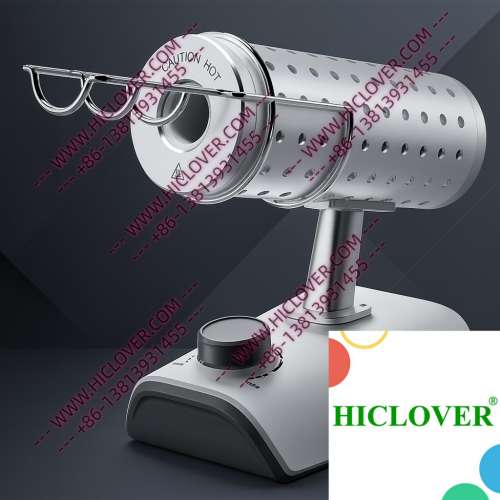
The Micro Incinerator utilizes infrared heating technology to achieve rapid thermal sterilization. Unlike traditional methods that rely on flames (like alcohol lamps or Bunsen burners), this device operates using an enclosed ceramic heating chamber that evenly distributes heat to sterilize inoculating loops and other lab implements effectively.
- Infrared Heating: Infrared radiation targets the material directly, minimizing heat loss and allowing for quick sterilization cycles.
- Ceramic Tube Enclosure: The enclosed design promotes safer operation within clean-bench environments, reducing the risk of contamination from open flames.
- Temperature Accuracy: Advanced models offer precise temperature settings, ensuring optimal disinfection without damaging sensitive instruments.
Applications in Real Laboratory Scenarios
Understanding how the Micro Incinerator excels in various laboratory settings offers insight into its practical benefits. Here are two application scenarios:
Biosafety Cabinet Environment
In a BSL-2 or BSL-3 microbiology lab, where the risk of aerosol transmission is significant, using open flames can pose a serious biohazard threat. The Micro Incinerator allows technicians to sterilize inoculating loops without introducing additional aerosols, effectively enhancing biosafety and protecting personnel while working with pathogenic organisms.
Teaching Labs
In university teaching labs, where students are learning about microbial culture techniques, the Micro Incinerator provides a safe, user-friendly alternative to traditional flame-based methods. This not only improves student safety by minimizing fire-related hazards but also reduces the amount of time spent on sterilization between experiments.
Compliance with Biosafety Standards
Laboratories must adhere to stringent biosafety and sterilization standards. The World Health Organization (WHO) recommends techniques that mitigate the risk of contamination in research settings. Traditional flame sterilizers can produce flames and smoke that are incompatible with clean room protocols. As such, the Micro Incinerator’s clean-bench-safe operation aligns with these standards, making it suitable for use in various laboratory settings.
Additionally, the Micro Incinerator is compliant with laboratory sterilization standards set by ISO and ASTM, ensuring reliable performance across public health and research disciplines.
Advantages Over Traditional Flame Sterilizers
When comparing the Micro Incinerator to traditional flame sterilizers, several advantages become evident:
| Feature | Micro Incinerator | Traditional Flame Sterilizers |
|---|---|---|
| Safety | Flame-free operation; reduces fire hazards | Open flame; poses fire risks |
| Efficiency | Rapid sterilization cycles | Longer sterilization time |
| Aerosol Control | Minimized aerosol generation | Aerosols common during flaming |
| Temperature Calibration | Precise heating control | Dependent on user skill |
| Maintenance | Easier to clean and maintain | Requires regular flame adjustments |
Frequently Asked Questions (FAQs)
1. How fast can a Micro Incinerator sterilize an inoculating loop?
Typical sterilization cycles for an inoculating loop can be achieved in just a few seconds with the Micro Incinerator, depending on the model’s temperature settings.
2. Is the Micro Incinerator suitable for use in teaching labs?
Yes, the Micro Incinerator is an excellent choice for teaching labs, providing a safe and efficient way for students to learn sterile techniques without the risks associated with open flames.
3. What are the key safety features of the Micro Incinerator?
Key safety features include flame-free operation, thermal insulation, and an enclosed design that prevents accidental burns and contamination.
4. Can the Micro Incinerator be used in BSL-3 laboratories?
Yes, its design and operation make it compliant with the stringent biosafety requirements of BSL-3 laboratories.
5. How does the Micro Incinerator help with contamination control?
Its rapid thermal sterilization method eliminates microorganisms efficiently, while its enclosed design prevents the creation of aerosols, enhancing contamination control in laboratory settings.
Conclusion
With the increasing demands for effective biosafety practices in laboratories, the Micro Incinerator / Infrared Inoculating Loop Sterilizer emerges as a reliable and innovative solution. Not only does it enhance laboratory workflow through rapid sterilization and improved safety, it also adheres to established compliance standards critical for research and clinical environments.
Are you ready to upgrade your sterilization practices and enhance your laboratory’s safety? Contact us today to learn more about our Micro Incinerator solutions!
Categories:
Tags: