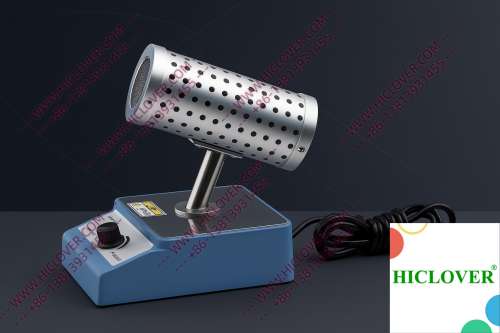
In the fast-paced world of laboratory research and clinical diagnostics, the ability to maintain sterile environments is imperative for ensuring accurate results and safeguarding human health. Hospitals in Melbourne face numerous biosafety challenges, from contamination control to rapid thermal sterilization of inoculating loops. Loop sterilizers, particularly Micro Incinerators and Infrared Inoculating Loop Sterilizers, present advanced solutions tailored to these demands.
Advantages of Infrared Inoculating Loop Sterilizers
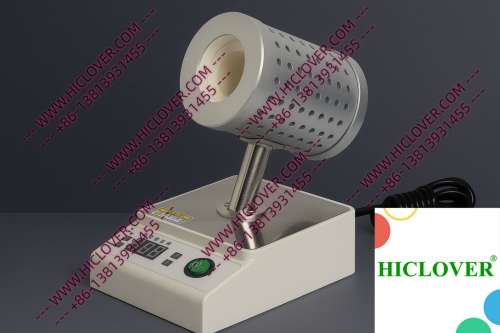
Traditional flame sterilizers, such as alcohol lamps and Bunsen burners, have long been a staple in biosafety practices. However, they come with significant drawbacks—primarily the risk of introducing aerosol pollutants, making them unsuitable for clean-room operations. Infrared sterilizers like the Micro Incinerator utilize a ceramic heating chamber that reaches high temperatures efficiently while eliminating the need for an open flame, thus enhancing both safety and sterilization efficacy.
- Rapid Thermal Sterilization: Micro Incinerators burn contaminants off inoculating loops within seconds, greatly reducing wait times.
- Aerosol-Free Handling: These devices significantly lower the risk of airborne contamination, which is essential in BSL-2 and BSL-3 microbiology labs.
- Clean-Bench-Safe: The lack of a flame allows for safe integration into biosafety cabinets and clean benches.
- Energy Efficiency: Infrared technology often consumes less energy compared to traditional burning methods.
- Durability: The use of high-quality materials means a longer service life and dependable performance.
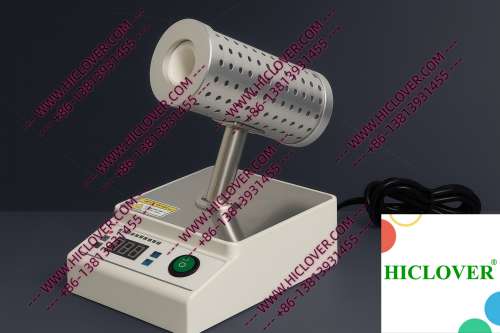
Technical Principles of Micro Incinerators
The operational principle of a Micro Incinerator centers around the use of infrared heat emitted from a focused ceramic tube. This configuration creates an environment that is conducive to the rapid incineration of biological material, ensuring complete destruction of contaminants. The compact nature of these devices allows for easy use in various laboratory settings without compromising space or efficiency.
Application Scenarios
1. Biosafety Cabinet Integration
In many Melbourne hospitals’ microbiology labs, using an Infrared Inoculating Loop Sterilizer within a biosafety cabinet enhances biocontainment while carefully managing cross-contamination risks. The device’s design allows laboratory professionals to maintain sterile conditions without the smoke and fumes typically associated with flame-based systems.
2. Teaching Laboratories
University settings, especially in educational laboratories, demand effective sterilization solutions that are also user-friendly for students. Micro Incinerators provide an excellent training platform, teaching future scientists best practices in contamination control while ensuring their safety during experiments.
Compliance with Biosafety Standards
Melbourne hospitals, as part of Australia’s robust healthcare system, adhere to stringent biosafety guidelines set forth by the World Health Organization (WHO) and the National Health and Medical Research Council (NHMRC). A key focus of these standards is the effective sterilization of laboratory equipment without the risks associated with open flames. Infrared sterilizers meet these compliance requirements seamlessly, making them an attractive option for labs focused on safety and efficacy.
“The global trend in laboratory safety is moving away from flame-based sterilizers towards more efficient and safer systems like infrared inoculating loop sterilizers.”
Comparison: Micro Incinerator vs. Traditional Flame Burners
| Feature | Micro Incinerator | Flame Burners |
|---|---|---|
| Speed of Sterilization | Fast (seconds) | Slower (depends on flame adjustment) |
| Risk of Contamination | Minimal (aerosol-free) | High (flame may contaminate air) |
| Energy Consumption | Lower | Higher |
| Safety | High | Moderate (risk of fire hazards) |
Frequently Asked Questions
What is a Micro Incinerator?
A Micro Incinerator is a laboratory sterilization device that utilizes infrared technology to rapidly heat and sterilize inoculating loops without the use of an open flame.
How does infrared sterilization compare to traditional methods?
Infrared sterilization offers quicker sterilization times and minimizes aerosol contamination risks, making it a superior choice in sensitive laboratory environments.
Can Infrared Inoculating Loop Sterilizers be used in BSL-3 labs?
Yes, they are designed to meet the stringent safety standards required in BSL-2 and BSL-3 facilities, ensuring a contamination-free workspace.
How do I choose the right laboratory sterilization equipment?
Consider factors such as the type of applications, space availability, energy efficiency, and adherence to biosafety standards when selecting sterilization equipment.
Are Micro Incinerators suitable for field testing labs?
Yes, their compact design makes them functional for mobile labs, providing a reliable means of sterilization in the field.
Conclusion
The integration of Infrared Inoculating Loop Sterilizers, like the Micro Incinerator, is truly revolutionizing sterilization practices across Melbourne’s healthcare and educational laboratories. By addressing critical biosafety challenges, these advanced devices not only enable laboratories to comply with stringent guidelines but also enhance overall workflow efficiency. For those looking to invest in contemporary sterilization solutions, reaching out for a consultation or purchasing a Micro Incinerator could mark a significant step forward in laboratory safety and operational effectiveness.
Categories:
Tags: