
In today’s world, the need for effective laboratory biosafety systems and sterilization solutions is greater than ever. Challenging workflows, coupled with increasing regulations on waste management and contamination control, push laboratories to explore more efficient sterilization equipment. Among these innovative solutions, high-temperature micro incinerators, particularly the Micro Incinerator and Infrared Inoculating Loop Sterilizer, are gaining traction. This article delves into the technical principles, practical applications, and regulatory compliance, demonstrating how these devices can reshape lab sterilization practices.
The Technical Principles Behind Micro Incinerators
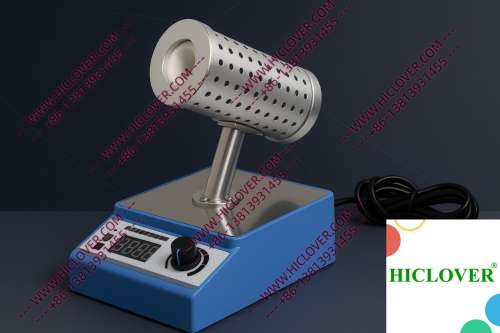
High-temperature micro incinerators operate on the principle of infrared radiation and controlled combustion, providing rapid thermal sterilization without the risks associated with traditional flame sterilizers. Unlike alcohol lamps or Bunsen burners that produce open flames, which can be hazardous in sensitive environments like biosafety cabinets, micro incinerators use an enclosed ceramic heating chamber. This chamber ensures that the sterilization process is both efficient and safe, minimizing the risk of aerosol generation.
The ceramic heating element reaches temperatures that effectively eliminate pathogens and contaminants, typically surpassing the requirements set by WHO biosafety standards. The enclosed design of the micro incinerators also allows for clean-bench-safe usage, ensuring that no harmful aerosols are released into the lab environment. This makes these devices an ideal choice for BSL-2 and BSL-3 labs, which are required to adhere to stringent sterilization protocols.
Applications of Micro Incinerators in Real Labs
1. Teaching and University Labs
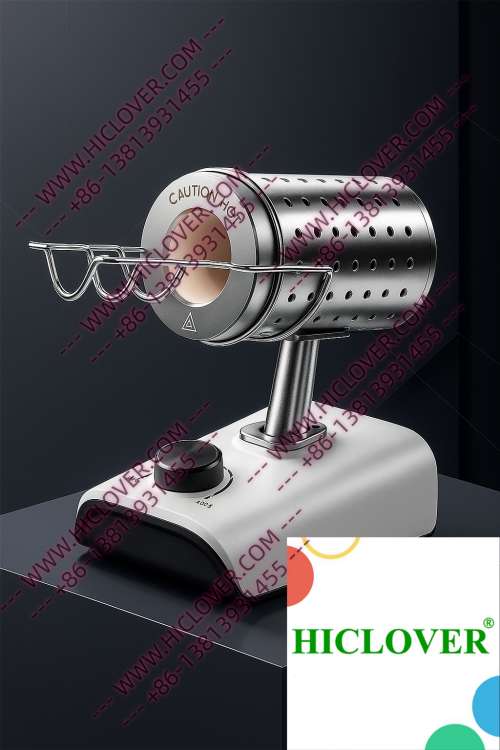
In academic settings, the Micro Incinerator is invaluable for teaching microbiology and laboratory safety protocols. Instructors can demonstrate the principle of sterilization without exposing students to open flames, thus enhancing student comprehension while ensuring safety. For instance, when utilizing inoculating loops, students can easily and efficiently sterilize their tools prior to use, promoting good laboratory practices from the outset. The compact design also allows for easy transport and setup in various classroom environments.
2. Field Testing Laboratories
In mobile or field testing labs, where resources are limited and every second counts, micro incinerators shine in their portability and rapid functionality. Field personnel often operate in unpredictable environments where contamination must be managed without traditional lab setups. A high-temperature micro incinerator can be used to quickly sterilize sampling tools between uses, thereby preventing cross-contamination and ensuring the integrity of the samples collected. This flexibility makes them ideal for public health evaluations and environmental assessments.
Compliance with Biosafety Standards
Micro incinerators do not just represent a leap in technology; they also align with compliance and regulation requirements set forth by organizations such as the WHO and national laboratories. For instance, WHO recommends strict adherence to laboratory sterilization standards to prevent outbreaks and ensure safe handling of biohazardous materials.
Significantly, in clean room operations, where flammable substances may pose a substantial risk, the absence of an open flame is crucial. Micro incinerators fulfill this requirement effectively while maintaining a high standard of sterilization and minimizing any risks of ignition. Laboratories must consider compliance not only to protect personnel but also to uphold public health standards.
Micro Incinerator vs. Traditional Flame Sterilizers
| Feature | Micro Incinerator | Flame Sterilizer |
|---|---|---|
| Safety | Enclosed design, no open flame | Open flame, risk of burns |
| Speed | Rapid thermal sterilization | Variable, depends on flame adjustment |
| Contamination Control | Aerosol-free handling | Potential cross-contamination from gusts |
| Environment | Clean-bench-safe | Not suitable for clean rooms |
| Cost of Operation | Low energy consumption | Variable, fuel-dependent |
Frequently Asked Questions
- What are the benefits of using a Micro Incinerator in a BSL-2 lab?
Micro incinerators provide rapid and efficient sterilization, ensuring contamination control while maintaining safety standards that are compliant with WHO recommendations. - How does infrared technology enhance sterilization?
Infrared heat penetrates the items being sterilized, quickly raising their temperature to effectively kill pathogens without the risks posed by open flames. - Can Micro Incinerators be used in field operations?
Yes, their portability and efficient sterilization make them ideal for mobile labs and field operations, enhancing sample integrity and safety. - Are Micro Incinerators cost-effective?
Yes, they have low energy consumption and lower operational costs compared to traditional flame sterilizers. - How do these devices meet environmental compliance?
The enclosed design prevents the release of aerosols or harmful flames, making them compliant with strict environmental safety standards.
Conclusion
The emergence of high-temperature micro incinerators marks a significant advancement in laboratory sterilization technology. Their ability to provide rapid thermal sterilization in a safe, compliant, and efficient manner positions them as an essential tool in modern labs, from university teaching environments to BSL-3 microbiology facilities. As laboratories continue to evolve through increased regulatory requirements and biosafety protocols, exploring options like the Micro Incinerator / Infrared Inoculating Loop Sterilizer will become crucial.
For laboratories looking to enhance their sterilization practices and ensure high standards of safety and compliance, investing in high-quality micro incinerators is a step towards a more efficient and effective workflow. Contact us today to learn more about how our products can meet your laboratory needs.
Categories:
Tags: