
Addressing Laboratory Biosafety Challenges
In today’s fast-paced medical environments, the safety of patients hinges on the effectiveness of laboratory sterilization practices. Hospitals and research facilities face significant challenges in maintaining biosafety standards while managing the sterilization workflow. Traditional sterilization methods, such as alcohol lamps and Bunsen burners, pose risks related to open flames, which are not only hazardous in terms of fire safety but can also lead to unpredictable outcomes in sensitive laboratory settings.
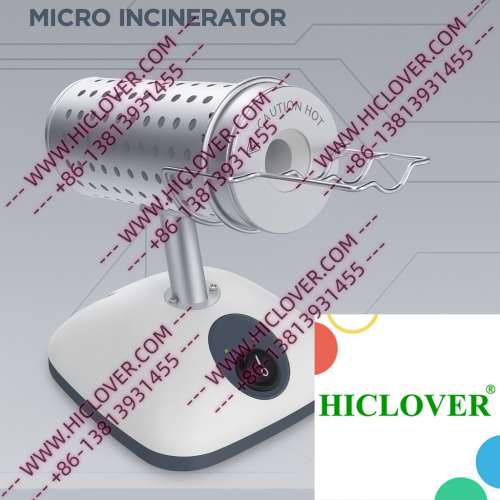
As a response to these challenges, Bridgeport Hospital has made a pivotal upgrade to its laboratory sterilization equipment, introducing innovative solutions like the Micro Incinerator or Infrared Inoculating Loop Sterilizer. This next-generation sterilizer provides rapid thermal sterilization, enhancing both safety and efficiency within the laboratory environment.
The Technical Principles Behind Infrared Sterilizers
The Micro Incinerator operates on the principle of infrared heat technology, utilizing a ceramic heating chamber to deliver high-temperature disinfection. This enclosed design ensures that samples are sterilized quickly and uniformly, minimizing the risk of contamination—a crucial aspect of laboratory work, particularly in BSL-2 and BSL-3 microbiology labs.
Notably, the infrared sterilization method allows for clean-bench-safe operations without the production of aerosols or harmful emissions. The sterile tool can be reheated in seconds, making it ideal for labs engaged in clinical diagnostics or educational training, where quick turnaround times are essential.
Real-world Applications for Laboratory Sterilizers
Application 1: Biosafety Cabinets
In a biosafety cabinet scenario, the Micro Incinerator serves as an indispensable tool. When handling pathogens, maintaining a sterile workspace is paramount. This device provides a safe, flame-free alternative for sterilizing inoculating loops and tools, effectively safeguarding both the operator and the samples from contamination.
Application 2: Field Testing and University Labs
In field testing environments, where portability and efficiency are vital, the Micro Incinerator excels. Researchers can easily transport this compact sterilizer to various locations, ensuring that all equipment remains contamination-free, regardless of the setting. Additionally, in university teaching labs, the infrared technology permits students to engage in practical work without the risks associated with flame-based sterilizers, allowing for a safer learning environment.
Regulatory Compliance and Environmental Implications
Adhering to global biosafety standards is not just a requirement—it’s a critical component of responsible laboratory practice. The World Health Organization (WHO) establishes comprehensive guidelines for laboratory biosafety, championing the use of flame-free sterilization methods in clean rooms and sensitive laboratory environments. The Micro Incinerator aligns well with these standards, offering a sustainable solution that minimizes environmental impact while ensuring compliance with stringent lab sterilization guidelines.
Without the use of open flames, laboratories can enhance their operational safety, reduce the risk of fire hazards, and maintain sterile conditions more effectively. This commitment to safety and compliance is particularly beneficial in regions where regulations surrounding laboratory operations are becoming increasingly stringent.
Comparison: Micro Incinerator vs. Flame Sterilizers
| Feature | Micro Incinerator | Flame Sterilizer |
|---|---|---|
| Operation | Infrared heat technology | Open flame |
| Safety | Flame-free operation | Fire hazard present |
| Response Time | Quick reheating (seconds) | Cooldown time required |
| Contamination Control | Minimal risk; aerosol-free | Higher risk of contamination |
| Portability | Compact and lightweight | Bulky and less portable |
Frequently Asked Questions
- What is a Micro Incinerator and how does it work?
The Micro Incinerator uses infrared heat to rapidly sterilize inoculating loops and other lab tools in a safe manner, eliminating the need for open flames. - Where can I use a Micro Incinerator?
This device is suitable for use in BSL-2/BSL-3 labs, educational institutions, field research, and any sterile environment that demands high standards of contamination control. - How does the Micro Incinerator comply with biosafety standards?
It adheres to WHO guidelines for laboratory biosafety by providing a flame-free sterilization option, thus enhancing safety and compliance. - Is the Micro Incinerator environmentally friendly?
Yes, it minimizes environmental impact by eliminating aerosols and harmful emissions typically associated with flame sterilization. - How does a Micro Incinerator improve workflow efficiency?
Its rapid heating capability allows for immediate readiness, enhancing throughput and operational efficiency in busy lab environments.
Conclusion: Safety, Compliance, and Efficiency in Lab Operations
In conclusion, upgrading to advanced laboratory sterilization equipment such as the Micro Incinerator is a definitive step towards enhancing patient safety, improving compliance, and streamlining operational efficiency. Bridgeport Hospital’s initiative exemplifies the commitment to maintaining high standards in laboratory practices. For more information on how to integrate these innovative solutions into your lab, or to discuss purchasing options, please contact us today. Your patients will thank you.
Categories:
Tags: