
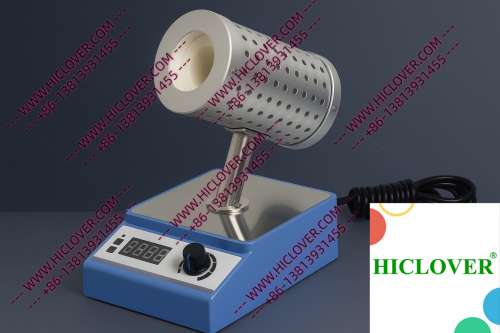
In the realm of laboratory work, particularly in regions facing healthcare challenges like Sudan, the need for reliable and efficient sterilization methods is greater than ever. Laboratory biosafety is paramount—protecting both personnel and the integrity of results. Traditional sterilization methods, such as flame sterilizers like alcohol lamps and Bunsen burners, while widely used, come with inherent risks and limitations. As countries strive to enhance healthcare infrastructure, instruments like the Micro Incinerator / Infrared Inoculating Loop Sterilizer are emerging as a beacon of hope.
Laboratory Biosafety Challenges
In developing regions, laboratories often face overwhelming challenges, including inconsistent electricity supply, inadequate training, and limited access to advanced sterilization technologies. The risk of contamination in laboratory environments can compromise significant research and healthcare initiatives. Rapid thermal sterilization technologies, specifically infrared sterilizers, address these issues effectively.
Technical Principles of the Micro Incinerator
The Micro Incinerator utilizes infrared heat housed within an enclosed ceramic tube, allowing for exceptional thermal confinement and efficiency. This technology creates a controlled environment that minimizes the risk of aerosol generation, a significant concern in biosafety cabinet operations. Infrared high-temperature disinfection is achieved in seconds, making it a rapid and reliable option for many lab settings, significantly improving workflow and ensuring compliance with stringent safety standards.
Advantages Over Traditional Flame Sterilizers
| Feature | Micro Incinerator | Flame Sterilizers |
|---|---|---|
| Safety | No open flames; reduced fire hazards | Open flames pose a risk in confined spaces |
| Efficiency | Instant heating; rapid cycles | Requires time for flame stabilization |
| Contamination Control | Aerosol-free; ideal for clean environments | Aerosol generation during use |
| Compliance | Meets WHO and BSL-2/BSL-3 standards | Can be non-compliant in clean rooms |
Switching to the Micro Incinerator not only elevates laboratory safety but also integrates seamlessly with modern sterilization workflows, especially in high-stakes environments such as clinical diagnostics and university teaching labs.
Application Scenarios in Real Labs
1. Clinical Diagnostics in BSL-2 Labs
In a BSL-2 microbiology lab, the Micro Incinerator serves as a crucial tool in reducing contamination risks during sample handling. When transferring microbial cultures or performing inoculation procedures, researchers can depend on this device for effective sterilization of inoculating loops. The infrared heating ensures that all essential tools are quickly and thoroughly sterilized without the risk of smoke or emissions that could contaminate other samples or the environment.
2. Teaching Labs in Universities
In university settings, where students are trained in microbiological techniques, the Micro Incinerator presents a safe learning environment. Students can practice inoculation techniques efficiently using a device that promotes compliance with biosafety standards. Its ease of use accelerates the learning process, enabling students to focus on their skills instead of managing the risks associated with traditional flame-based sterilization.
Compliance with Biosafety Standards
Compliance with global biosafety regulations is non-negotiable in any laboratory practice. The World Health Organization and other regulatory bodies emphasize the importance of employing sterilization methods that do not compromise safety or laboratory integrity. The Micro Incinerator aligns with these requirements, ensuring that laboratories can maintain safe working environments without the hazards associated with flame sterility in clean rooms.
Moreover, using equipment that minimizes contamination is critical in reducing the spread of pathogens. Laboratories engaged in research and diagnostics can advance their operations and outcomes by employing state-of-the-art sterilization technologies like the Micro Incinerator.
FAQs about Micro Incinerators
- What is the primary benefit of using a Micro Incinerator over a traditional flame sterilizer?
The primary benefit is enhanced safety, as it eliminates open flames, reducing fire hazards and aerosol generation risk. - How does the Micro Incinerator comply with WHO standards?
It meets the required sterilization protocols and maintains a safe environment for lab workers. - Can the Micro Incinerator be used in field testing labs?
Yes, its portability and efficiency make it suitable for mobile applications and field testing scenarios. - Is the Micro Incinerator user-friendly for beginners in teaching labs?
Absolutely! The simplicity of its operation ensures that students can learn effectively without complex procedures. - What types of labs can benefit from using a Micro Incinerator?
BSL-2/BSL-3 labs, clinical diagnostics facilities, teaching labs, and field testing environments can all utilize this technology.
Conclusion
Bridging the gap in healthcare requires innovative solutions that uphold safety, efficiency, and compliance with regulations. The Micro Incinerator / Infrared Inoculating Loop Sterilizer exemplifies this commitment to advancing laboratory practices, particularly in regions like Sudan that face significant healthcare challenges.
For laboratory supply distributors, hospitals, universities, and NGOs, investing in advanced sterilization equipment not only enhances operational efficiency but also contributes to the overall improvement of laboratory safety. If you’d like to learn more or explore purchase options, don’t hesitate to get in touch with us today!
Categories:
Tags: