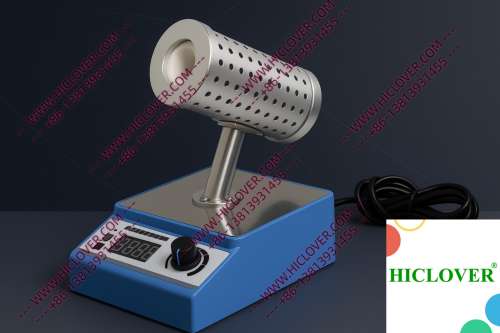
In the landscape of modern laboratory biosafety, the challenges of sterilization are ever-present. As research and clinical diagnostics advance, labs in Ghana and beyond face increasing demands for efficient waste disposal methods. Traditional techniques, such as flame sterilizers, have been reliable but are fraught with safety hazards, inefficiencies, and environmental concerns. Enter micro incinerators, particularly the Infrared Inoculating Loop Sterilizer, which offer an innovative solution to these challenges.
Understanding the Technical Principles of Micro Incinerators
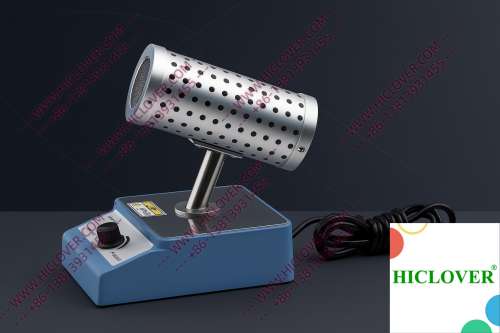
Micro incinerators operate on the principle of rapid thermal sterilization, utilizing infrared heat to achieve high-temperature disinfection. The configuration typically includes an enclosed ceramic heating chamber that ensures an even distribution of heat, promoting thorough sterilization while minimizing the risk of contamination and aerosol generation.
This technology enables precise control over temperature, allowing operators to achieve sterilization in a matter of seconds without the need for an open flame. This is especially crucial in clean environments such as biosafety cabinets, where any open flame poses a substantial risk of contamination and airflow disruption.
Application Scenarios in Real Labs
Biosafety Cabinets: A Clean Environment
In BSL-2 and BSL-3 microbiology labs, where working with potentially harmful pathogens is routine, incorporating a micro incinerator is an essential practice. For instance, when an experiment requires the transfer of samples using inoculating loops, sterilizing these tools quickly and effectively is crucial. Traditional alcohol lamps or Bunsen burners can compromise biosafety measures, while infrared sterilizers provide a flameless option that ensures aerosol-free handling, thereby enhancing the safety of laboratory personnel.
Field Testing Scenarios: Mobile Applications
In remote areas where electricity supply may be inconsistent, having a portable micro incinerator can be invaluable. For instance, researchers working on field tests for infectious disease outbreaks can sterilize equipment on-site without relying on basic flame methods. This mobility not only simplifies logistical challenges but also improves compliance with biosafety standards, especially when working with hazardous materials.
Compliance and Environmental Considerations
Complying with WHO biosafety and laboratory sterilization standards is non-negotiable in any laboratory setting. The use of micro incinerators aligns with these guidelines by providing safe, efficient sterilization without the hazards associated with open flames. For environments such as clean rooms or those operating with CO₂ incubators, where flames can disrupt delicate conditions, infrared sterilizers offer a compliant solution that protects both personnel and the integrity of the results.
Moreover, in a country like Ghana, where environmental concerns are paramount, the adoption of micro incineration methods reduces the carbon footprint associated with traditional waste disposal techniques. By employing energy-efficient technologies, labs can contribute to a more sustainable future while prioritizing safety and compliance.
Micro Incinerators vs. Traditional Flame Sterilizers
| Feature | Micro Incinerator | Flame Sterilizer |
|---|---|---|
| Flame Type | Infrared, no open flame | Open flame (Bunsen burner, alcohol lamps) |
| Temperature Control | Precise, rapid settings | Variable, less controlled |
| Safety | Lower fire risk, aerosol-free | Higher fire risk, aerosols possible |
| Portability | Lightweight, portable | Less portable |
| Environmental Impact | Lower emissions | Higher emissions |
Frequently Asked Questions (FAQs)
- What is a micro incinerator?
A micro incinerator is a laboratory sterilization device that uses infrared heat for rapid sterilization of inoculating loops and other instruments without an open flame. - How does the infrared sterilizer work?
The infrared sterilizer operates by heating a ceramic tube intensely to destroy microorganisms quickly, offering a clean and safe alternative to flame sterilizers. - Can micro incinerators be used in field laboratories?
Yes, their portable nature makes them ideal for use in field laboratories, particularly in remote areas where traditional methods might be impractical. - Are there any biosafety advantages?
Yes, micro incinerators reduce aerosol generation and the risks associated with open flames, making them better suited for biosafety cabinets and clean environments. - How do micro incinerators contribute to environmental safety?
By using energy-efficient heating methods and minimizing harmful emissions, micro incinerators present a more environmentally friendly option for laboratory sterilization.
Conclusion: Revolutionizing Waste Disposal in Ghana
The integration of micro incinerators into laboratory practices in Ghana represents a significant advancement in waste disposal and sterilization technology. These devices are not only compliant with biosafety standards but also promote safe, efficient, and eco-friendly practices. For laboratories seeking to elevate their sterilization protocols and ensure a contamination-free environment, investing in infrared inoculating loop sterilizers is a forward-thinking choice. Contact us today to explore our range of micro incineration solutions tailored to your laboratory needs.
Categories:
Tags: